

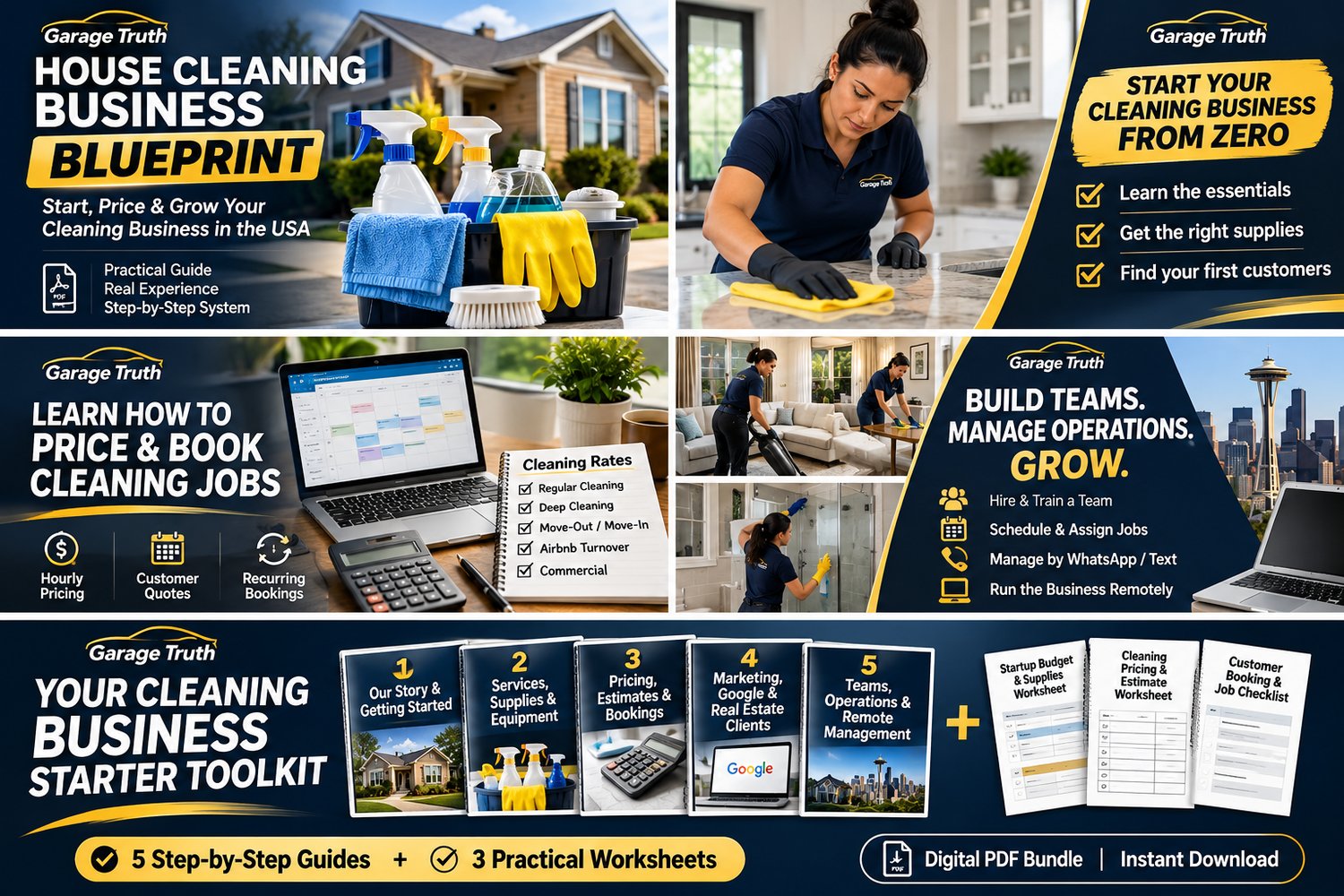


House Cleaning Business Blueprint
House Cleaning Business Blueprint
Learn How to Start, Price & Grow Your Own Residential Cleaning Business in the USA
Starting a house cleaning business might be one of the most accessible ways to build a service-based business in America. You don’t need a storefront, expensive machinery, or a large team to get started.
But knowing how to clean a house and knowing how to run a profitable cleaning business are two very different things.
How much should you charge? How do you find your first customers? What equipment do you actually need? How do you handle recurring clients, cancellations, scheduling, and employees?
Those are the questions that matter when you’re trying to turn cleaning services into a real business.
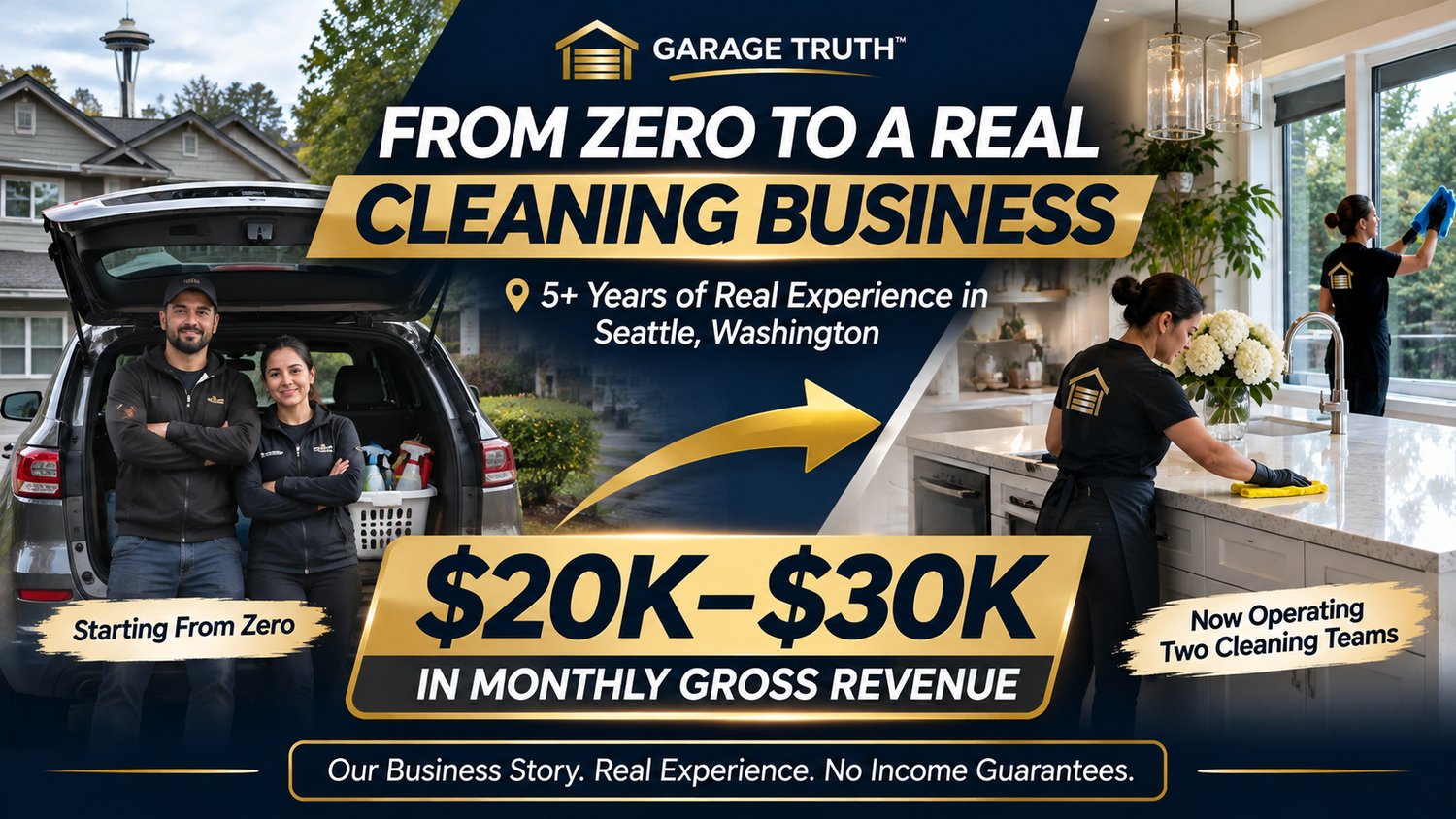
This guide was created to help you understand the business side of residential cleaning, using practical knowledge from real experience operating a cleaning company in the United States.
What You’ll Learn Inside
1. Starting Your Cleaning Business
Understand the first steps of building a residential cleaning service, from choosing your services to researching business registration, insurance, and local requirements.
2. Equipment, Supplies & Startup Costs
Learn which cleaning tools and products are useful when starting out, how to plan your initial budget, and how to avoid unnecessary expenses.
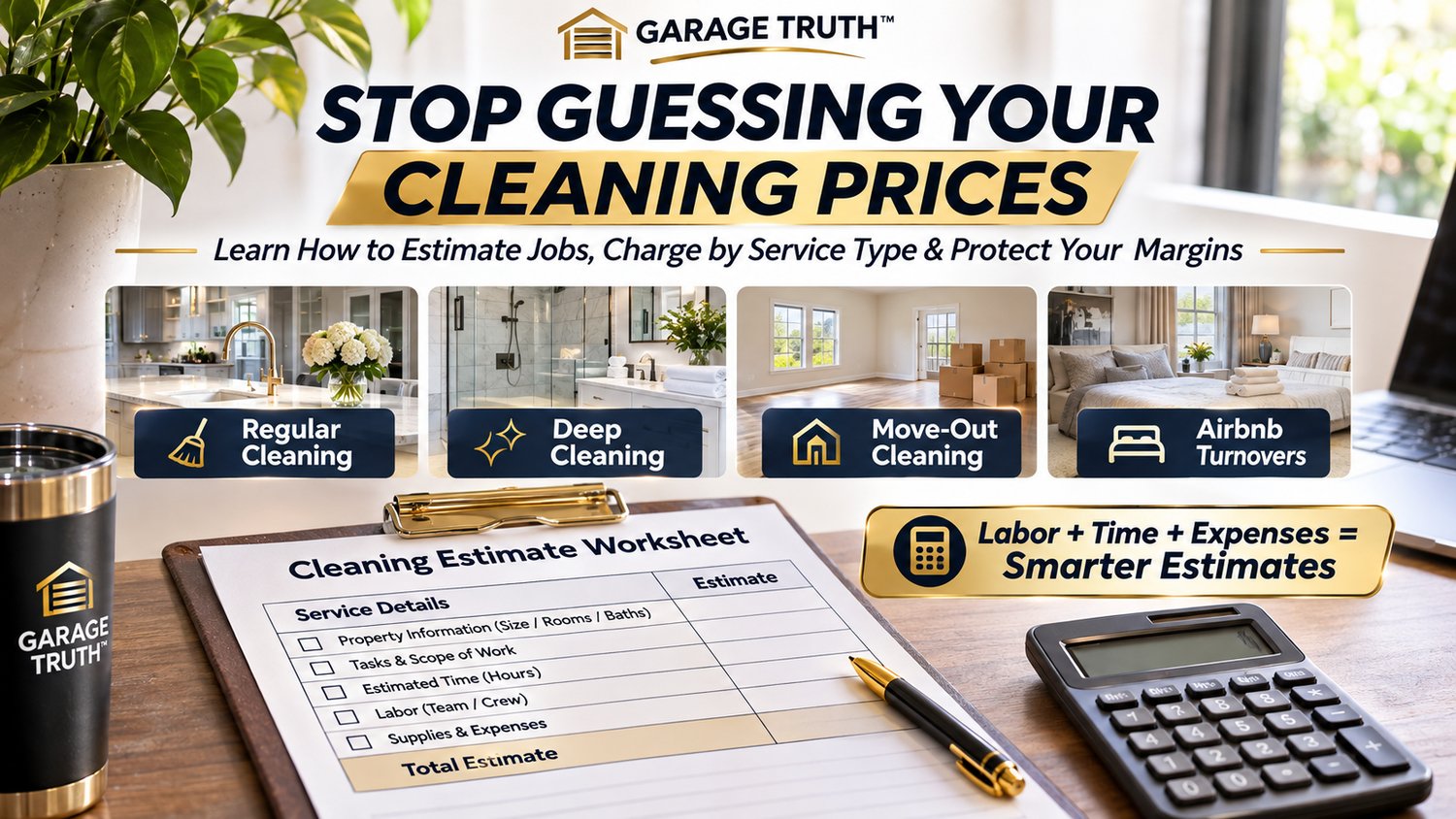
3. Pricing Your Cleaning Services
Explore practical approaches to pricing regular cleaning, deep cleaning, move-in/move-out services, and recurring appointments. Learn how to account for labor, supplies, travel, and operating expenses.
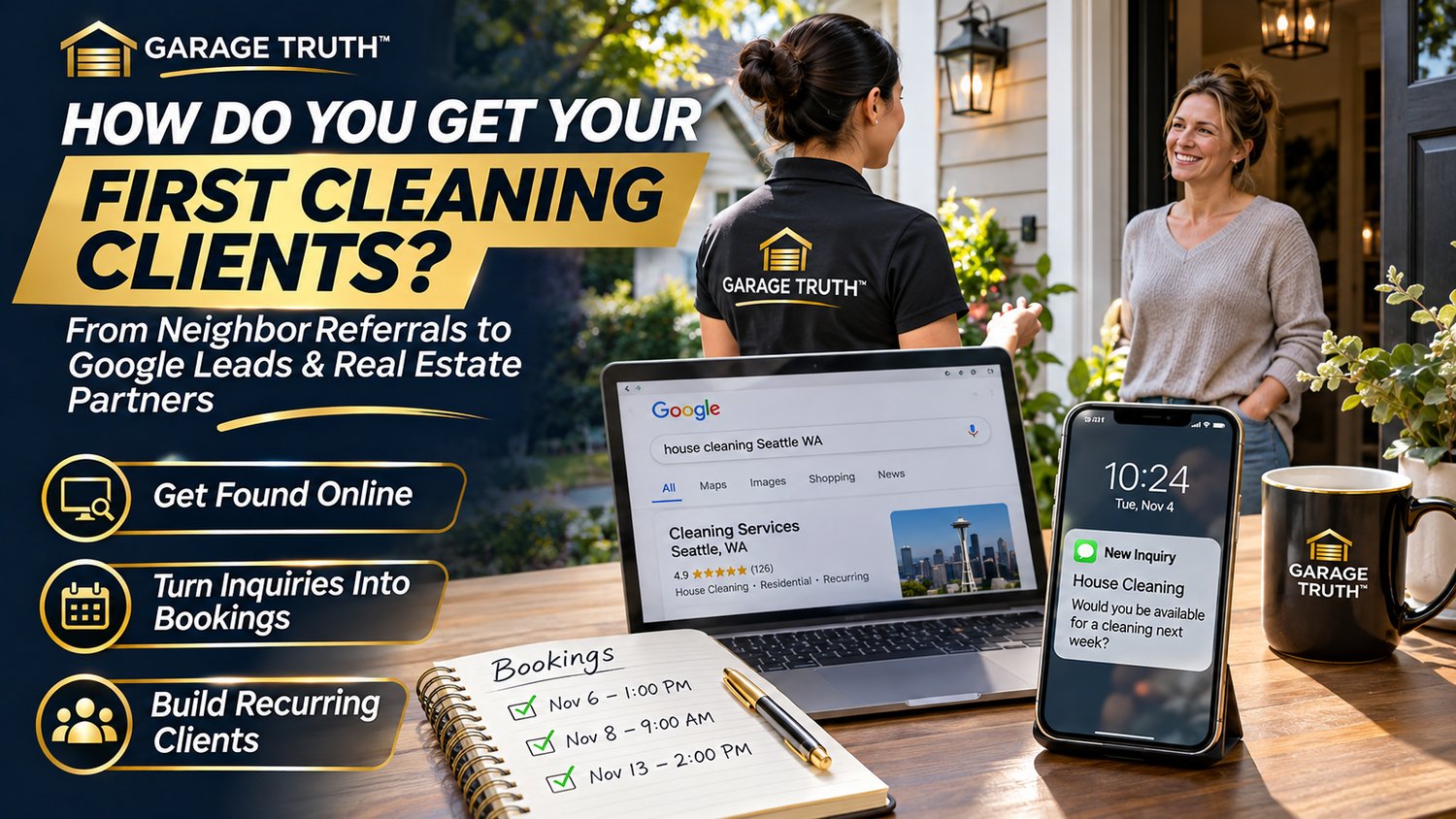
4. Finding Your First Customers
Discover ways to attract residential cleaning clients through referrals, local marketing, online visibility, and professional communication.
5. Building Recurring Income
Understand how weekly, biweekly, and monthly cleaning schedules can help create more predictable business revenue.
6. Scheduling, Customer Service & Operations
Learn how to organize appointments, communicate expectations, handle cancellations, and create consistent cleaning procedures.
7. Growing Beyond Working Alone
Explore the basics of building a cleaning team, training workers, maintaining quality standards, and managing the responsibilities that come with growth.
8. Common Mistakes & Real Business Lessons
Learn about pricing mistakes, difficult jobs, unrealistic expectations, and operational challenges that can affect your time and profitability.
Why This Guide Is Different
There’s plenty of information online about starting a cleaning business.
But generic advice doesn’t always explain what happens when you’re actually managing customers, calculating labor costs, dealing with last-minute cancellations, or trying to keep a cleaning schedule organized.
This blueprint focuses on practical business decisions, real operational challenges, and lessons drawn from hands-on experience in the American residential cleaning industry.
It’s designed to give you a clearer understanding of what running this type of business involves before you invest your time and money.
Who Is This Guide For?
- Beginners exploring the cleaning industry.
- People interested in starting a small service business.
- Independent house cleaners who want to become business owners.
- Existing cleaning professionals looking to improve pricing and organization.
- Entrepreneurs interested in building a residential cleaning service in the United States.
Build a Business, Not Just Another Job
A cleaning business can begin with basic equipment, a clear service offering, and a commitment to doing quality work.
But long-term progress requires more than cleaning skills.
It takes accurate pricing, reliable service, customer relationships, consistent systems, and financial discipline.
The House Cleaning Business Blueprint helps you understand those foundations so you can approach your business with more confidence and a practical plan.
Digital Product | Instant PDF Download
Educational material only. Business results vary based on location, demand, pricing, expenses, execution, and other factors. Legal, licensing, insurance, and tax requirements vary by jurisdiction.