
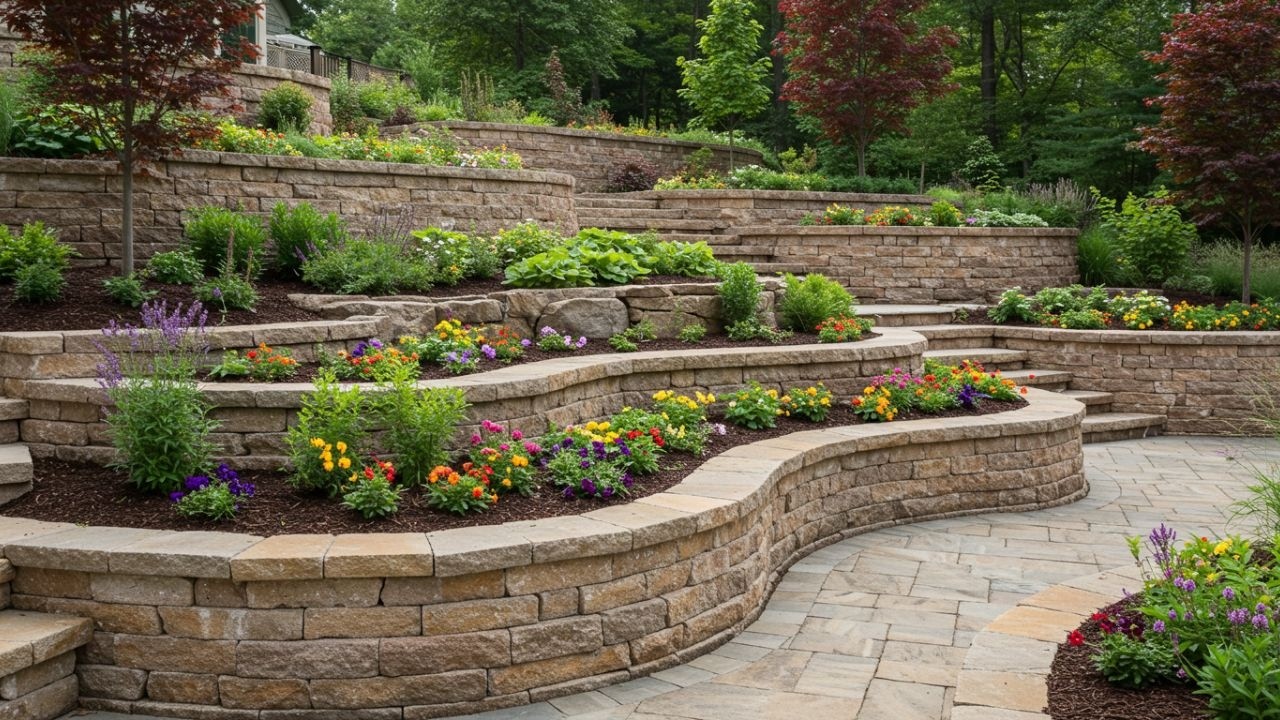
The Art of Earthworks: A Deep Dive into Retaining Wall Installation in St. Louis
Retaining wall installation is a complex construction process that transforms an unstable, sloped landscape into a structured, functional, and beautiful outdoor space. In St. Louis, where soil composition and seasonal weather pose specific challenges, this process requires meticulous planning, precise engineering, and skilled execution. It is far more than stacking blocks or stones; it is a carefully sequenced earthwork project that, when done correctly, creates a permanent, load-bearing structure designed to withstand immense pressure and the test of time. Understanding the key phases of professional installation underscores why expertise is non-negotiable.
The project begins with comprehensive site analysis and planning. A professional installer will assess the slope's grade, soil type, water drainage patterns, and the wall's intended purpose and height. This informs critical decisions about the wall's location, depth, necessary reinforcements, and drainage requirements. For walls over a certain height (often 4 feet), a structural engineer's design or a permit from local authorities may be required. The installer will mark the wall's layout, often using spray paint or stakes and string, and calculate the required materials, from blocks and gravel to geogrid fabric and drainage pipe. This preparatory stage is the blueprint for success.
The physical work starts with precise excavation. The crew digs a trench for the wall's foundation, ensuring it is level and deep enough to extend below the frost line—a crucial step in St. Louis to prevent frost heave from shifting the wall. The trench is then filled with a specified depth of compacted gravel, creating a stable, draining base. This base course is the most critical layer; if it is not perfectly level, every subsequent course will be off, compromising the wall's integrity and appearance. From here, the installation of the wall units begins. For segmental block walls, each block is carefully placed, leveled, and connected using pins or a lip system, with each row stepped back slightly (batter) into the slope for inherent stability.
Simultaneously, the crew addresses the hidden hero of the project: drainage. As the wall rises, the space behind it is backfilled with drainage gravel, not native soil. This aggregate allows water to percolate down and away from the wall's face. In many designs, a perforated drainage pipe is installed at the base of this gravel layer to collect and channel water to a safe outlet. For taller walls, layers of geogrid reinforcement are laid between block courses and extended back into the compacted soil, literally tying the wall and the earth together into a single reinforced mass. This attention to hidden details is what separates a professional installation from an amateur attempt. For a project of this complexity, relying on seasoned experts for Retaining wall installation St. Louis services guarantees that every step—from engineering and excavation to drainage and final placement—is executed to the highest standard, ensuring your wall's longevity and performance.
In conclusion, professional retaining wall installation is a symphony of engineering, skilled labor, and meticulous attention to detail. It transforms a liability into a landscape asset through a process that respects the forces of nature and soil mechanics. By investing in a full-service installation from qualified contractors, St. Louis homeowners gain more than a wall; they gain a permanent, worry-free solution for erosion control, usable space, and enhanced property value. The visible result is a beautiful hardscape feature, but the true value lies in the unseen, properly constructed foundation that makes it last.