
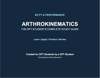

Arthrokinematics Study Guide for DPT students
Master the Basics of Arthrokinematics
Arthrokinematics can be one of those concepts that seems simple until you have to determine which surface is moving, whether it is convex or concave, and which direction the roll and glide occur.
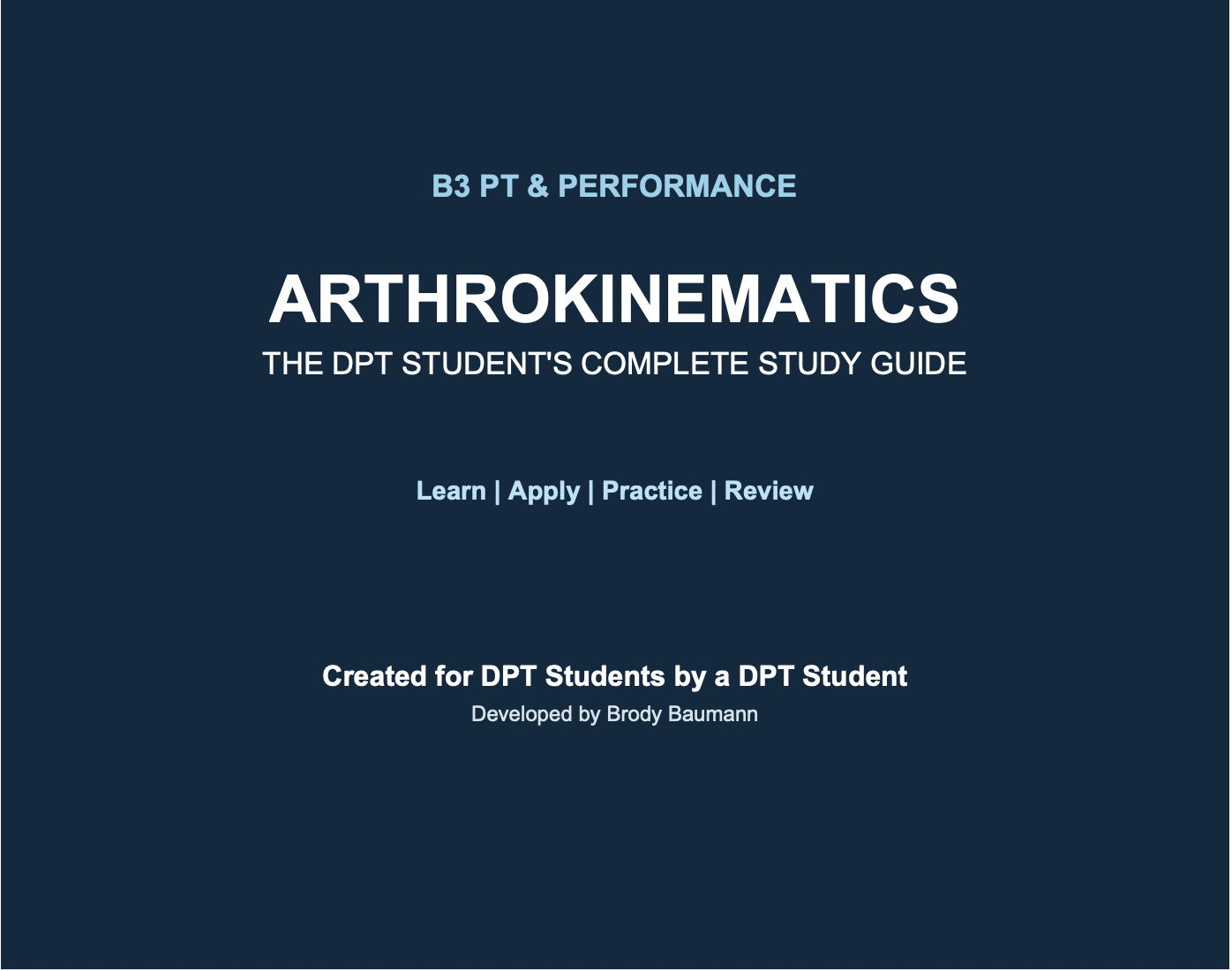
The B3 PT & Performance Arthrokinematics Study Guide was created to help DPT students organize and practice these foundational concepts in a clear, easy-to-review format.
What's Inside
This digital study guide covers:
- Osteokinematics vs. arthrokinematics
- Roll, glide/slide, and spin
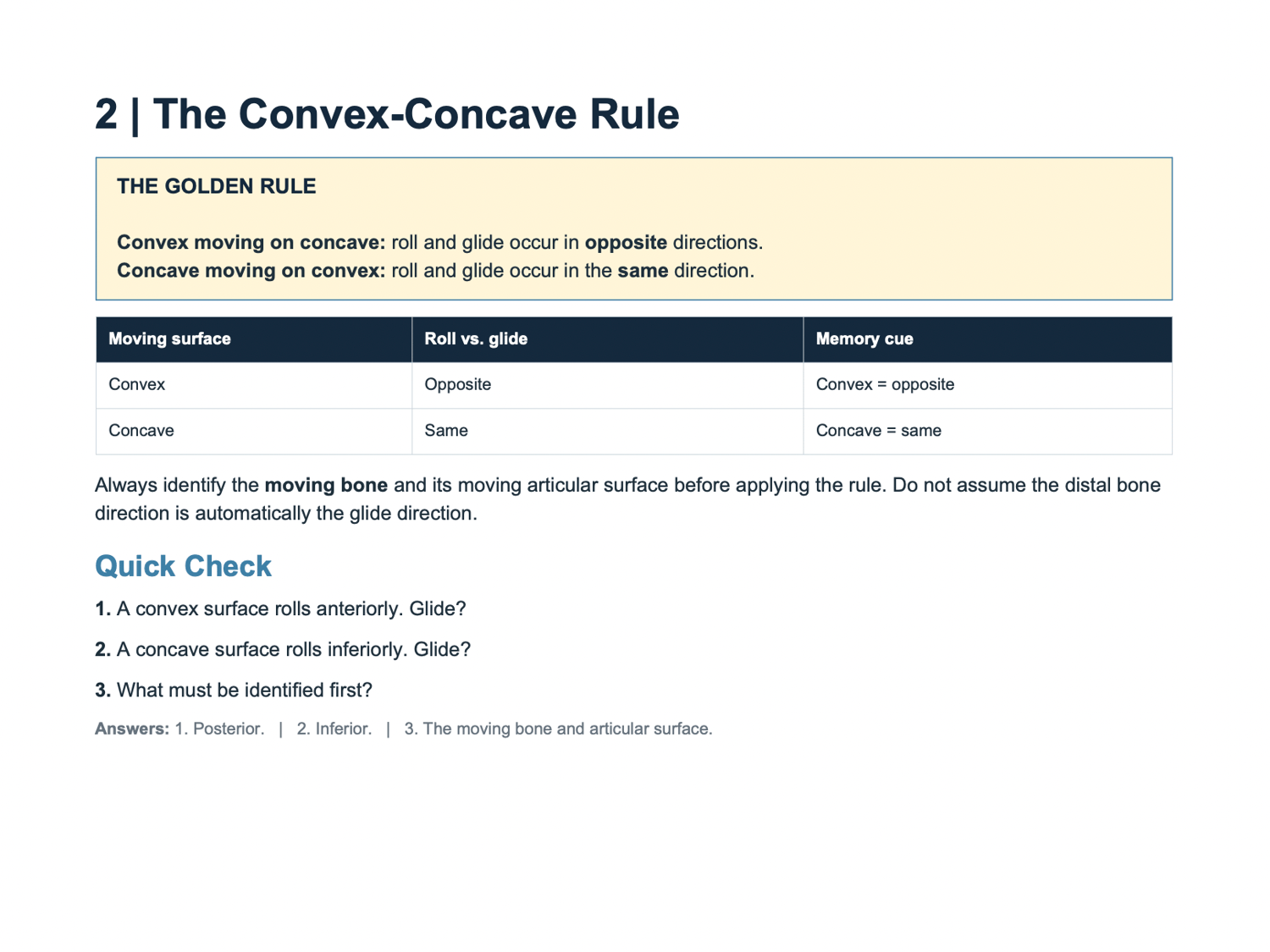
- The convex-concave rule
- How to determine roll and glide direction
- Glenohumeral joint mechanics
- Hip joint mechanics
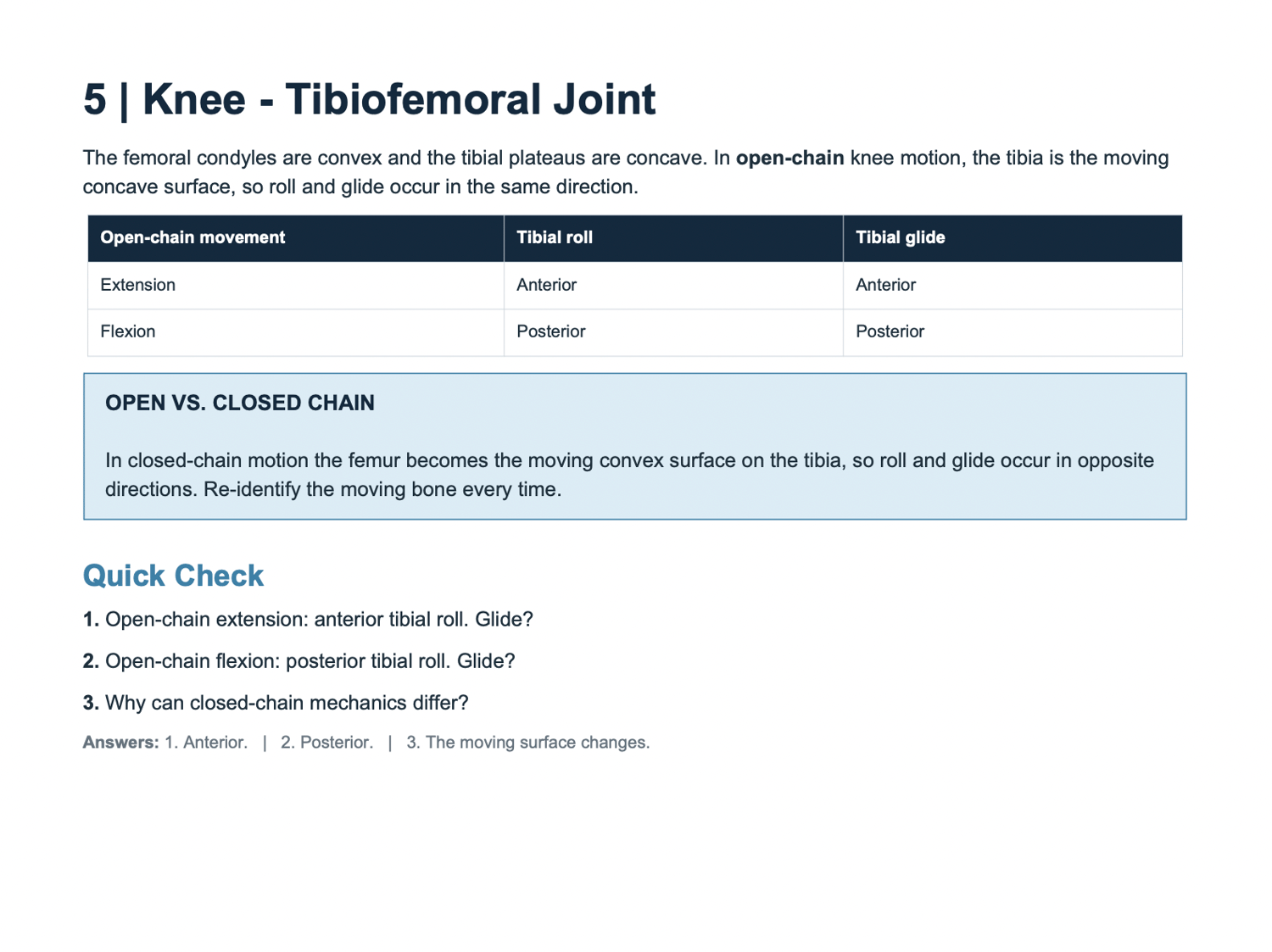
- Tibiofemoral joint mechanics
- Talocrural joint mechanics
- Elbow and wrist concepts
- Open-chain vs. closed-chain considerations
- Common mistakes and exam traps
- High-yield summary tables
- Section-specific review questions
- Application-based practice problems
- A final practice exam
- Answer key with explanations
Rather than simply giving you directions to memorize, the guide emphasizes a repeatable problem-solving process:
Identify the moving surface → Determine whether it is convex or concave → Determine the roll → Derive the glide.
Who Is This For?
This resource is designed for DPT students and other students studying foundational kinesiology and joint mechanics who want an additional resource for reviewing and practicing arthrokinematics.
Digital Product
This purchase includes a digital PDF study guide. No physical product will be shipped.
Created for DPT Students by a DPT Student.
Developed by Brody Baumann | B3 PT & Performance
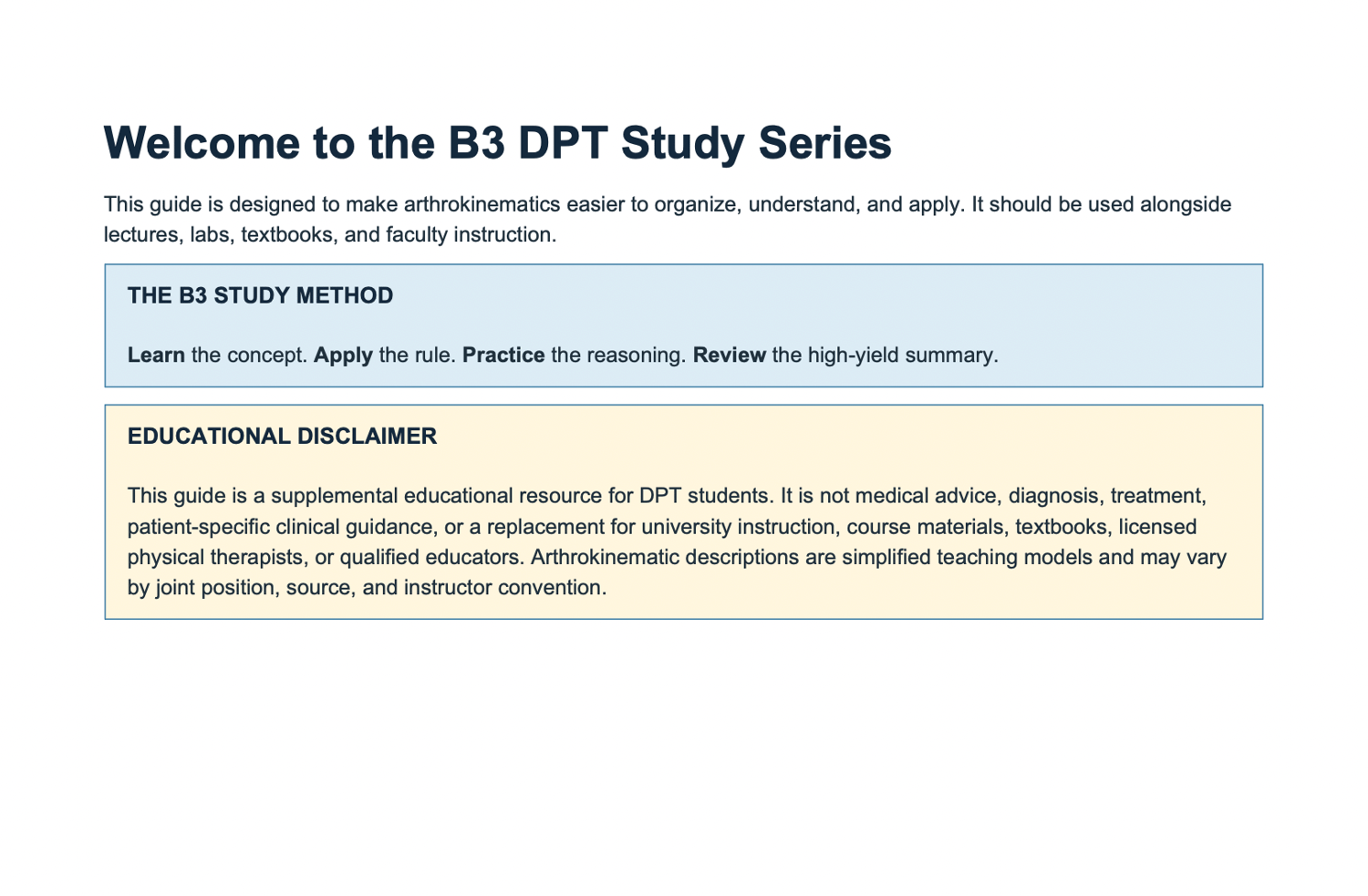
Educational Disclaimer
This guide is a supplemental educational resource and is not intended to replace university instruction, course materials, textbooks, faculty guidance, or other qualified educational resources. It is not medical advice and should not be used for diagnosis, treatment, or patient-specific clinical decision-making. Arthrokinematic descriptions may be presented using simplified educational models and may vary depending on joint position, source, and instructor convention.