



2019 Conference Climate Change & Gardens 13. Marcus White
From 2019: Water management in gardens: building resilience – Marcus White
Marcus highlighted that becoming more efficient often means becoming more sustainable. Taking control of water in the garden can improve efficiency and hence sustainability. Becoming self- sufficient reduces the carbon cost of mains water treatment and pumping.
Rainwater harvesting is one approach to self-sufficiency whilst accessing a groundwater supply via a borehole is another
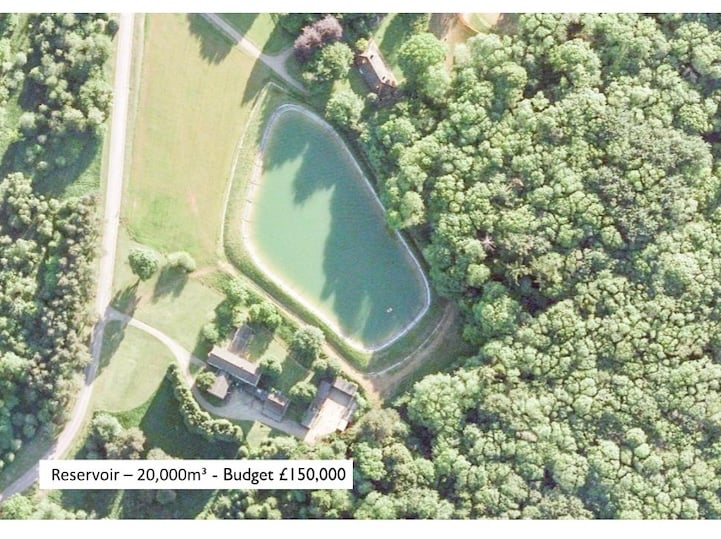
option. Boreholes are monitored and regulated in an attempt to maintain groundwater reserves, have a smaller carbon footprint compared to surface water abstraction and is possible to do in small amounts (max. 20m3 per day) without a licence. Costs vary and depend on size/depth of borehole and type of storage facilities required (e.g. 54m3 tank for £5k compared to 20,000m3 reservoir for £150k).
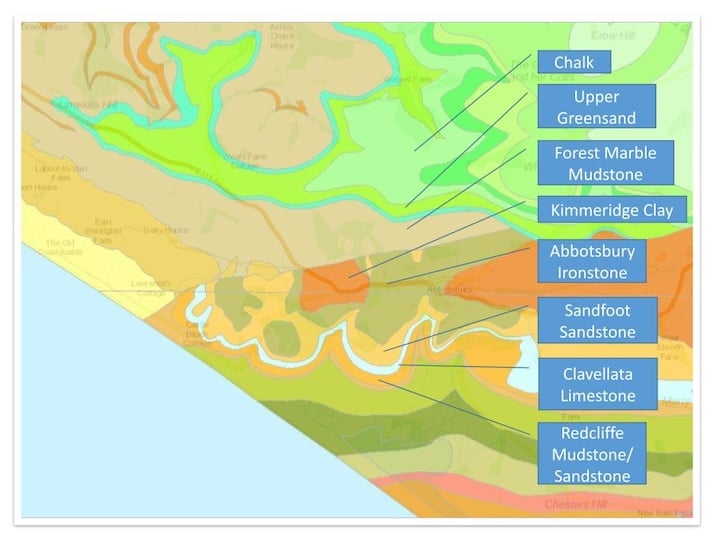
The first step to consider is the geology and hydrology of the garden – the BGS provides a record of existing boreholes and provides information on aquifers (depth required). The second step is to consider the amount of water required, noting that any more than 20m3 per day will require a licence from the Environment Agency. Then it is practical implications of pipe size (dependent on water demand), location of pumps/service building, storage facilities etc.