
Nostalgia
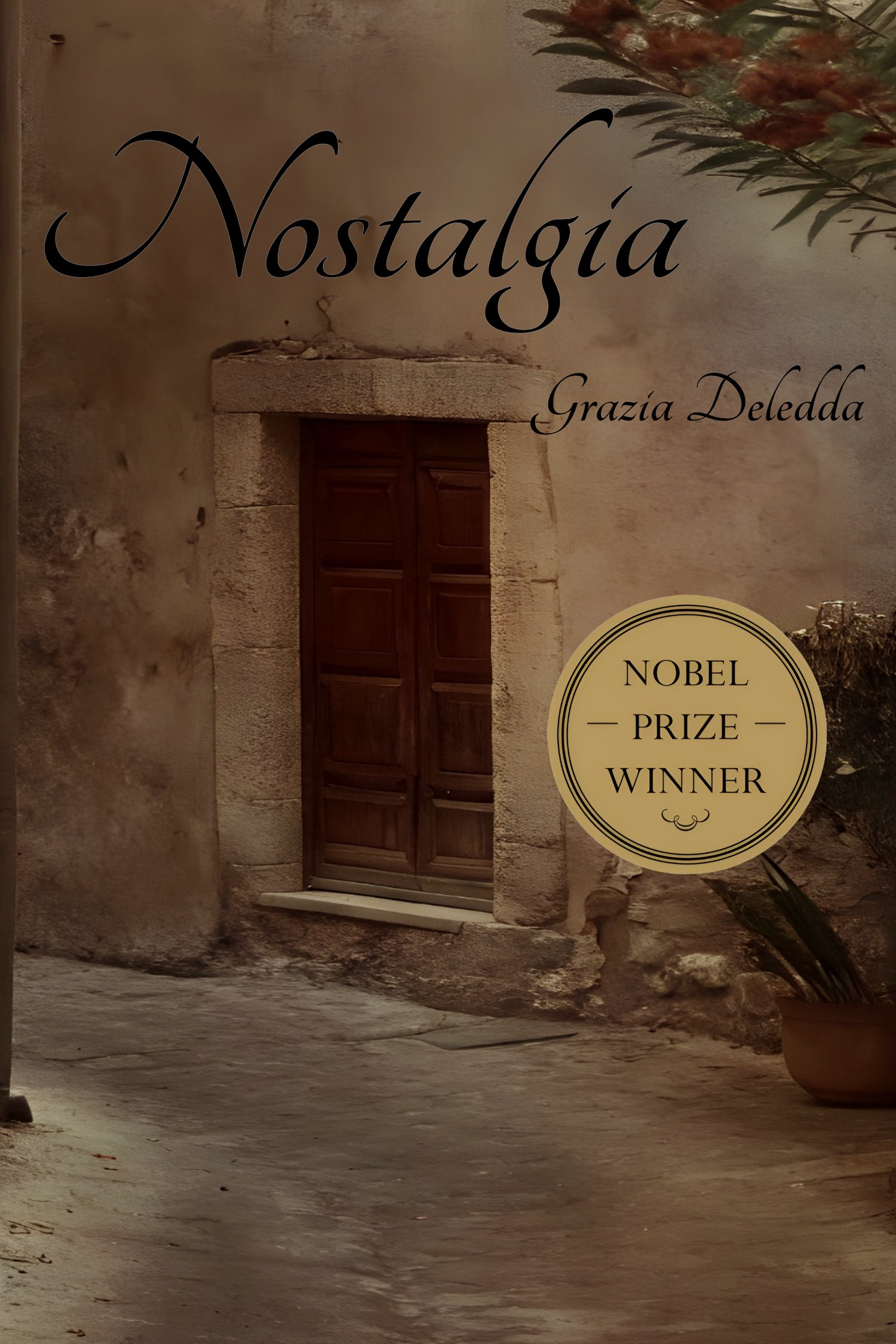
In Nostalgia, Grazia Deledda—Italy’s Nobel laureate and master of moral realism—returns to her beloved Sardinia to tell a story of exile, longing, and the pull of one’s origins. When a man who has made his fortune abroad comes back to the rugged hills of his youth, he finds that time has transformed everything but the ache in his heart. The island he fled is no longer his, yet its wind, its silence, and its memories reclaim him with a power he cannot resist.
Deledda’s luminous prose captures the haunting tension between progress and belonging, freedom and fate. Her characters move through a landscape that is both physical and spiritual—where every path leads back to what was lost, and every choice carries the weight of destiny. Through the quiet drama of return, she exposes the universal truth that our pasts, no matter how far we travel, are never truly past.
At once intimate and mythic, Nostalgia is a meditation on memory and identity, on the yearning for home that defines every human life. Deledda’s gift lies in her ability to make the simplest lives shimmer with moral complexity and emotional depth. This is a story of return and reckoning, where the heart learns that what it remembers most fiercely is not the place itself, but the person one once was within it.
About the author
Grazia Deledda (1871–1936) was an Italian novelist and the first Italian woman to receive the Nobel Prize in Literature (1926). Born in Sardinia, she vividly depicts the island’s landscapes, traditions, and struggles, blending realism with poetic lyricism. Often exploring themes of fate, morality, and the tension between modernity and tradition, her notable novels include Nostalgia, Elias Portolu, and Canne al vento (Reeds in the Wind). Deledda’s writing remains celebrated for its emotional depth and timeless relevance.