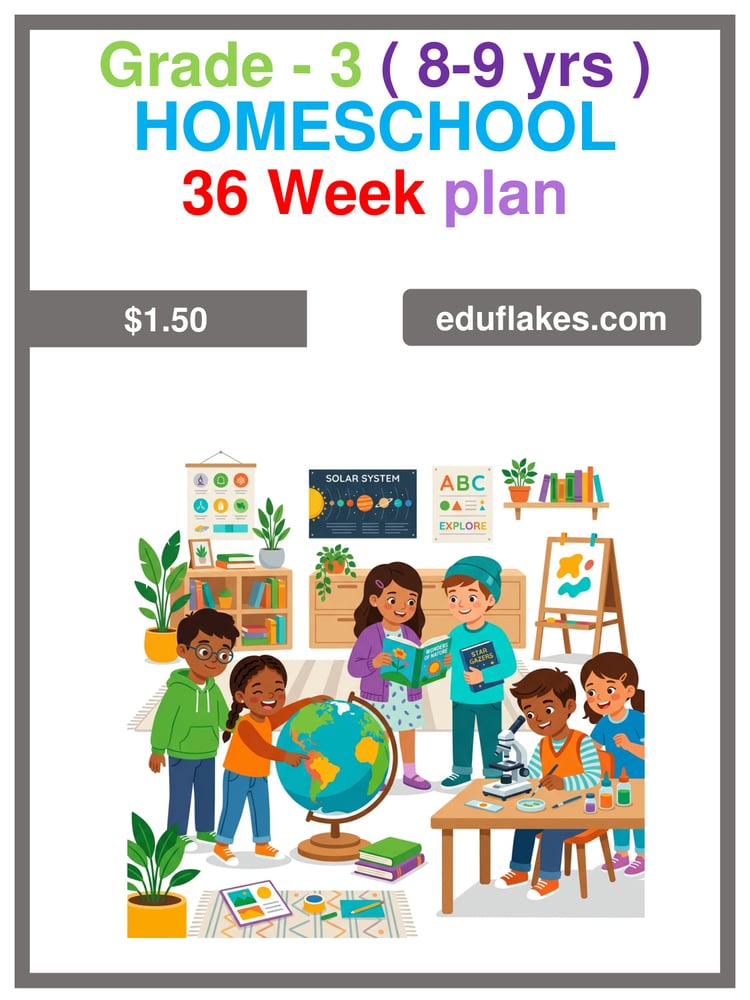


Grade-1 Homeschooling Curriculum 36 Week with planner
How a 36-Week Homeschool Planner Helped Me Stop Guessing and Start Homeschooling with Confidence

When I first started thinking about homeschooling, I was excited.
I loved the idea of being more involved in my child’s education. I imagined reading together at the kitchen table, doing fun science experiments, taking nature walks, creating art projects, and watching that little light bulb go on when my child finally understood something.
But then reality hit.
What am I going to teach tomorrow?
And the next day?
And next month?
What about math? Reading? Writing? Science? Art? Social studies?
How do I make sure I am not leaving important skills behind?
And perhaps the biggest question of all:
How am I supposed to plan an entire homeschool year when I have never homeschooled before?
If you are a first-time homeschooling parent, you may have asked yourself exactly the same questions.
That is why having a simple, ready-to-use 36-week homeschool planner can make such a difference.
You Don't Need to Have It All Figured Out
One of the biggest misconceptions I had about homeschooling was that a good homeschool parent needed to create everything from scratch.
I thought I needed elaborate lesson plans, shelves full of curriculum, complicated schedules, and hours of preparation every weekend.
The truth?
Homeschooling does not have to be that complicated.
What I really needed was a starting point.
I needed someone to say:
"Here is what you can explore this week. Here are some activities you can do. Here is how reading, writing, math, science, creativity, and movement can fit together."
A 36-week plan gives you that structure without taking away the flexibility that makes homeschooling so special.
The Grade 1 Homeschooling Curriculum Planner is designed for children around ages 6–7 and lays out a full 36-week homeschool journey.
Instead of staring at a blank planner on Sunday night wondering what to teach Monday morning, you have a roadmap.
One Week at a Time
I love the idea of looking at homeschooling as 36 small adventures instead of one enormous school year.
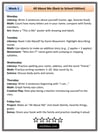
The planner takes the year week by week, with a different theme giving the learning experience a sense of purpose.
For example, the early weeks begin with familiar topics such as:
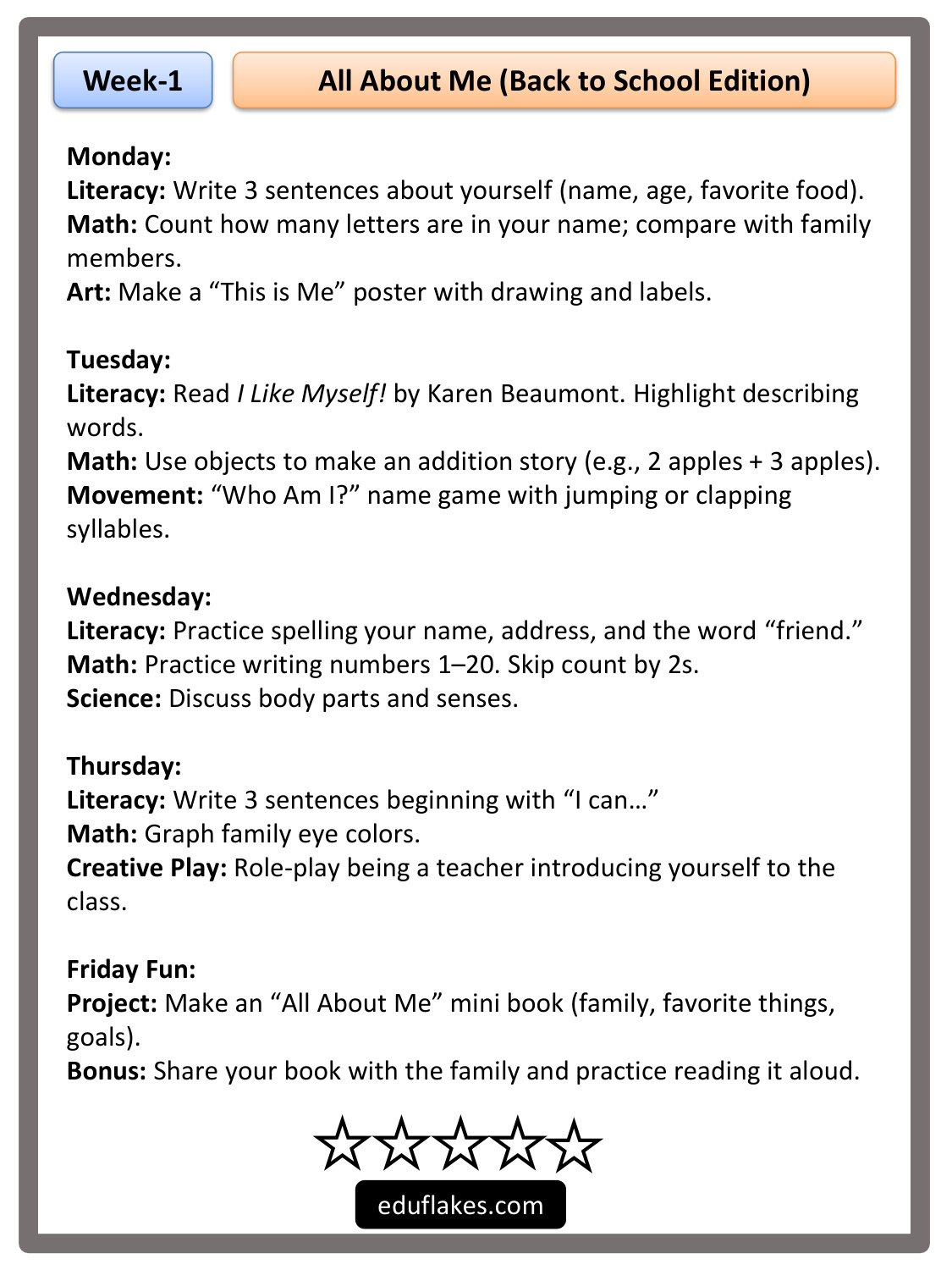
- Week 1 – All About Me
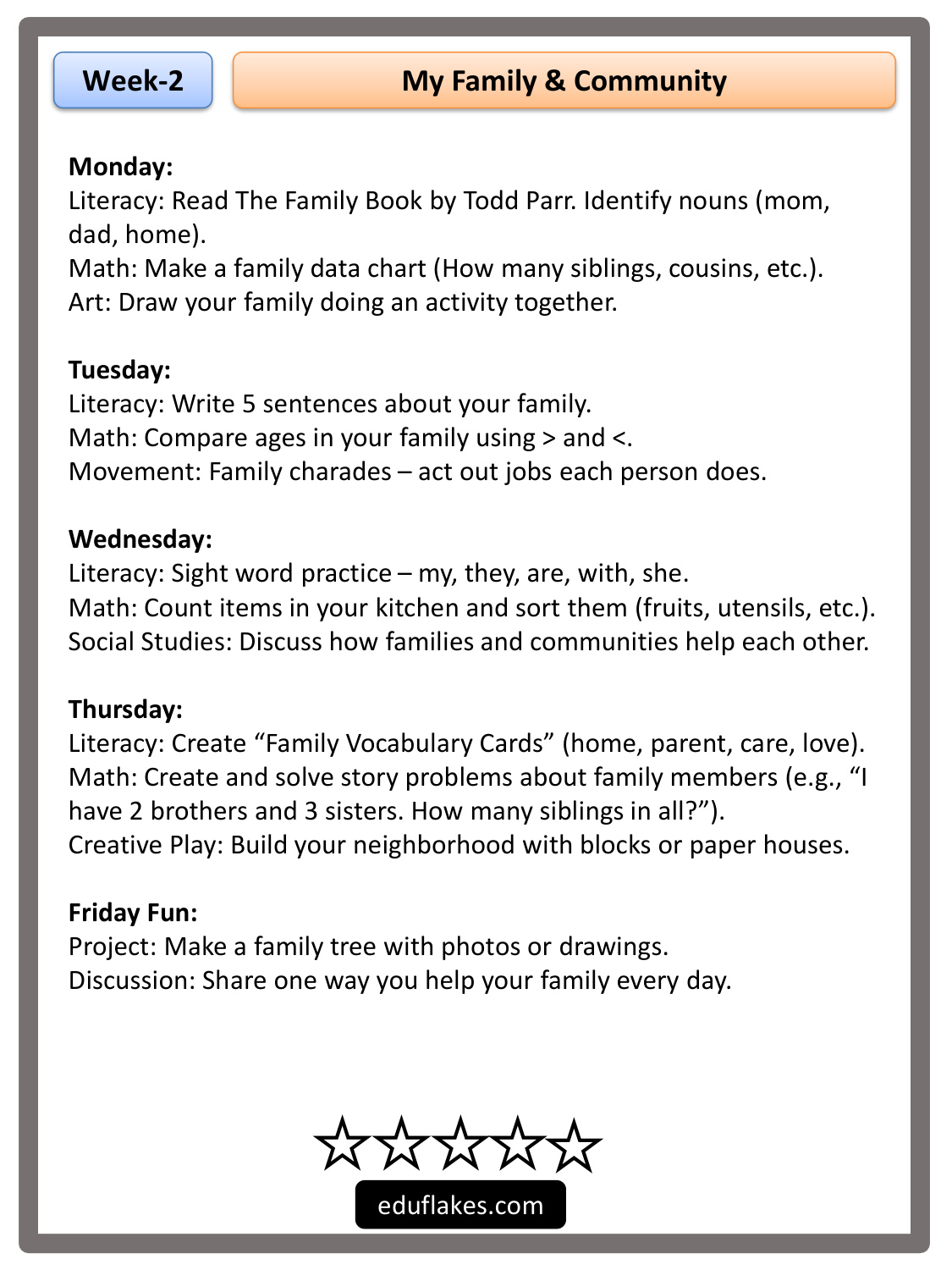
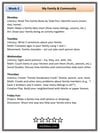
- Week 2 – My Family & Community
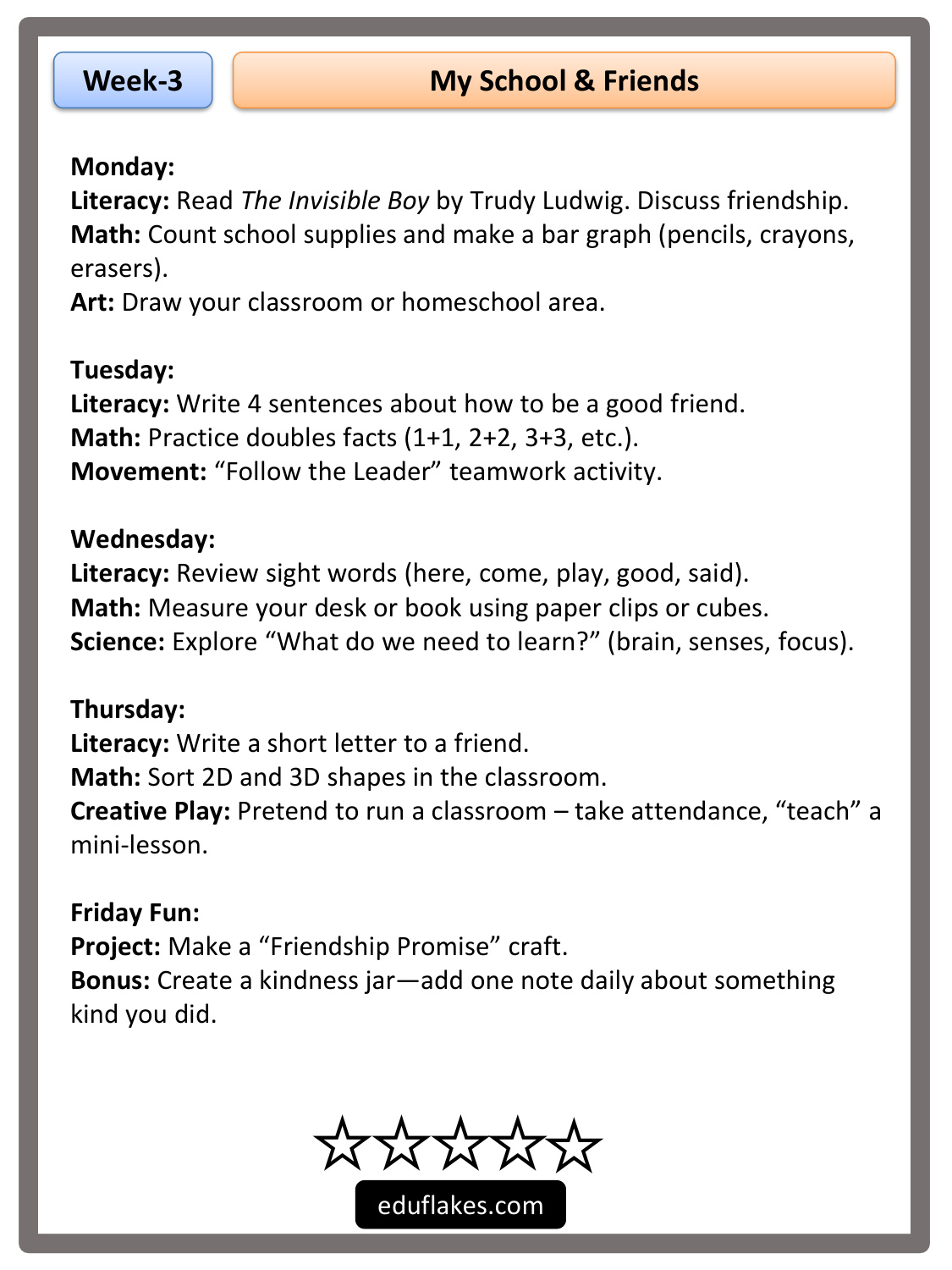
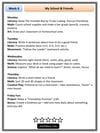
- Week 3 – My School & Friends
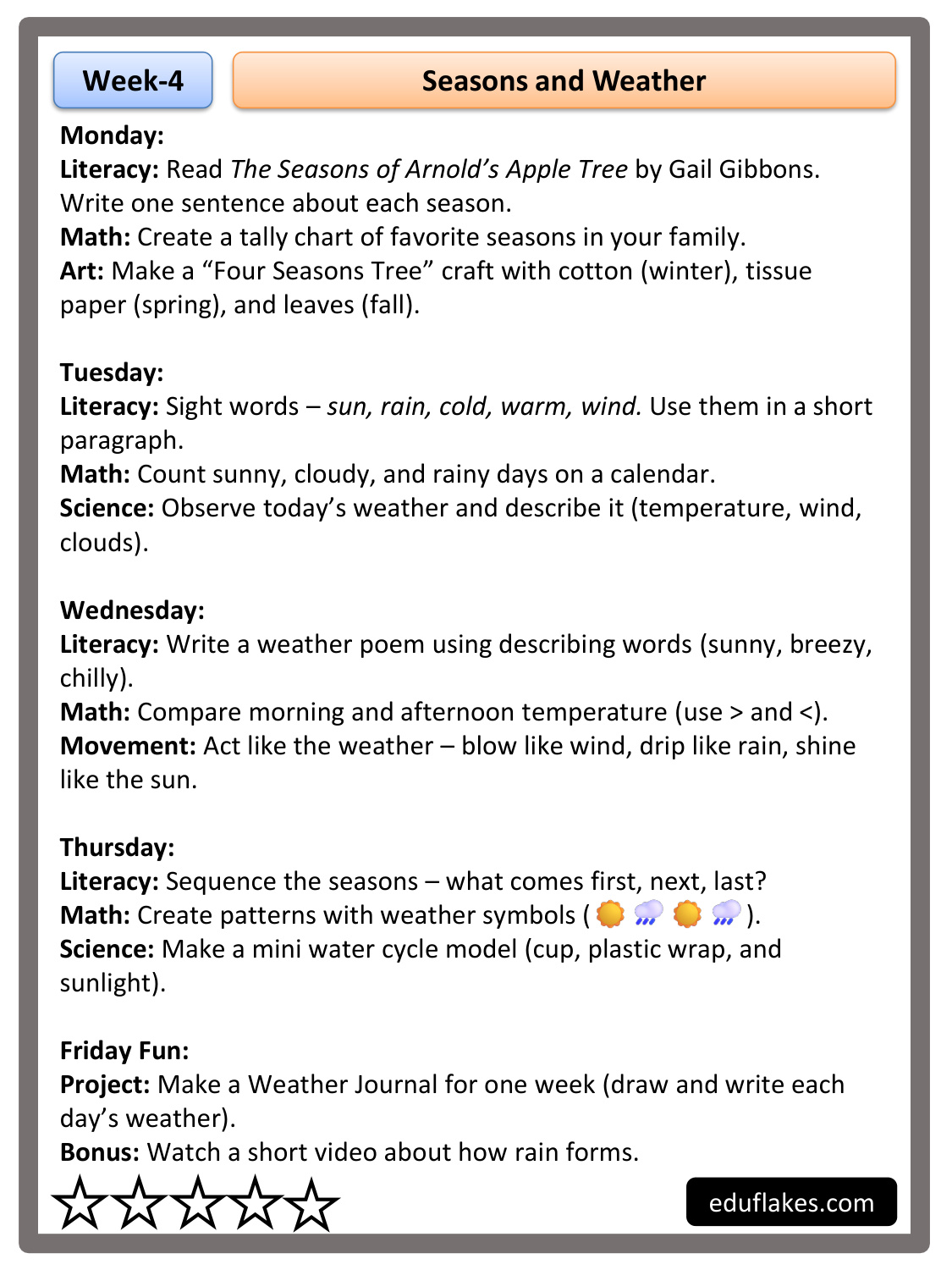
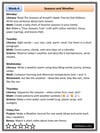
- Week 4 – Seasons and Weather
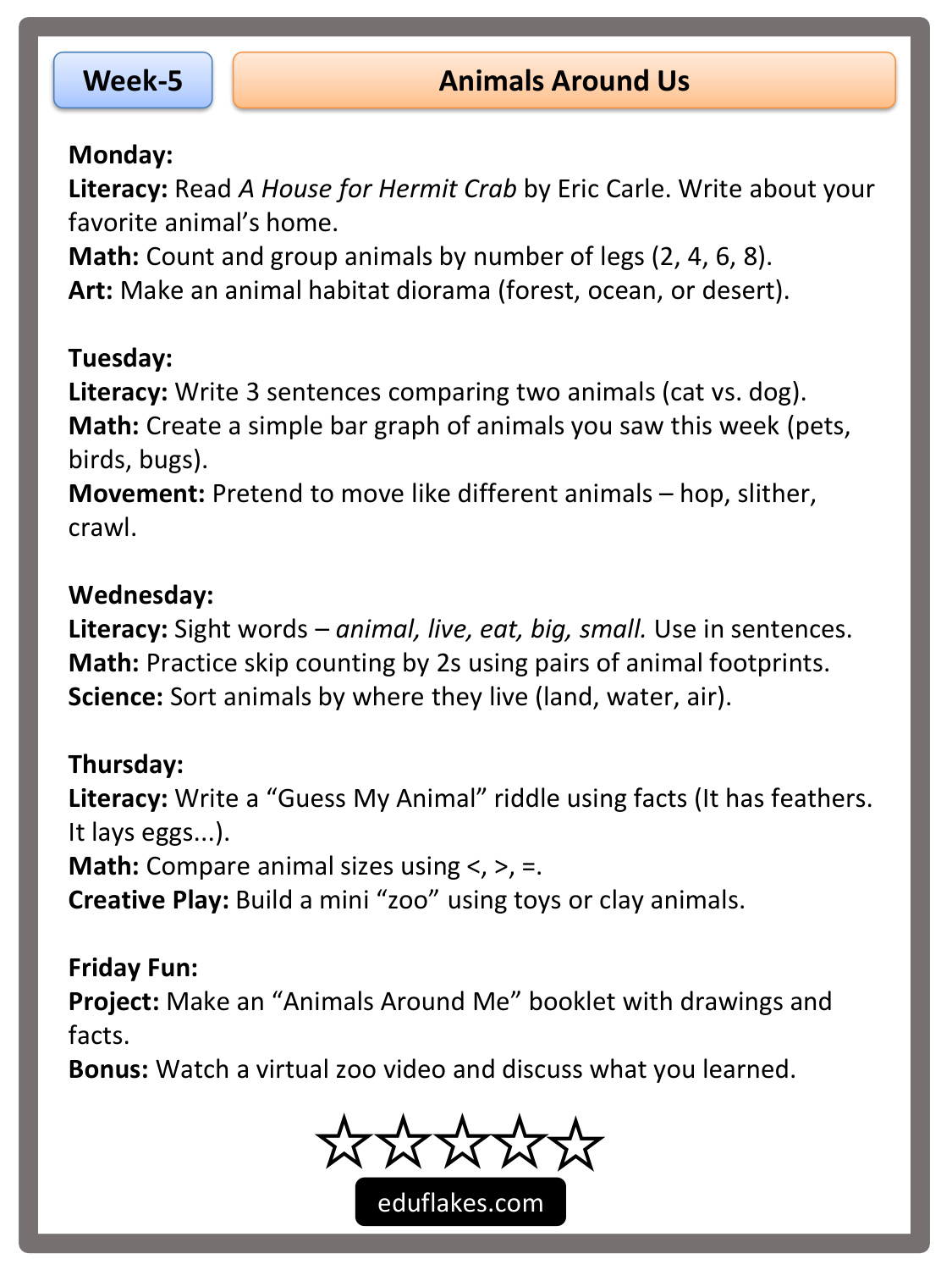
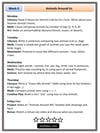
- Week 5 – Animals Around Us
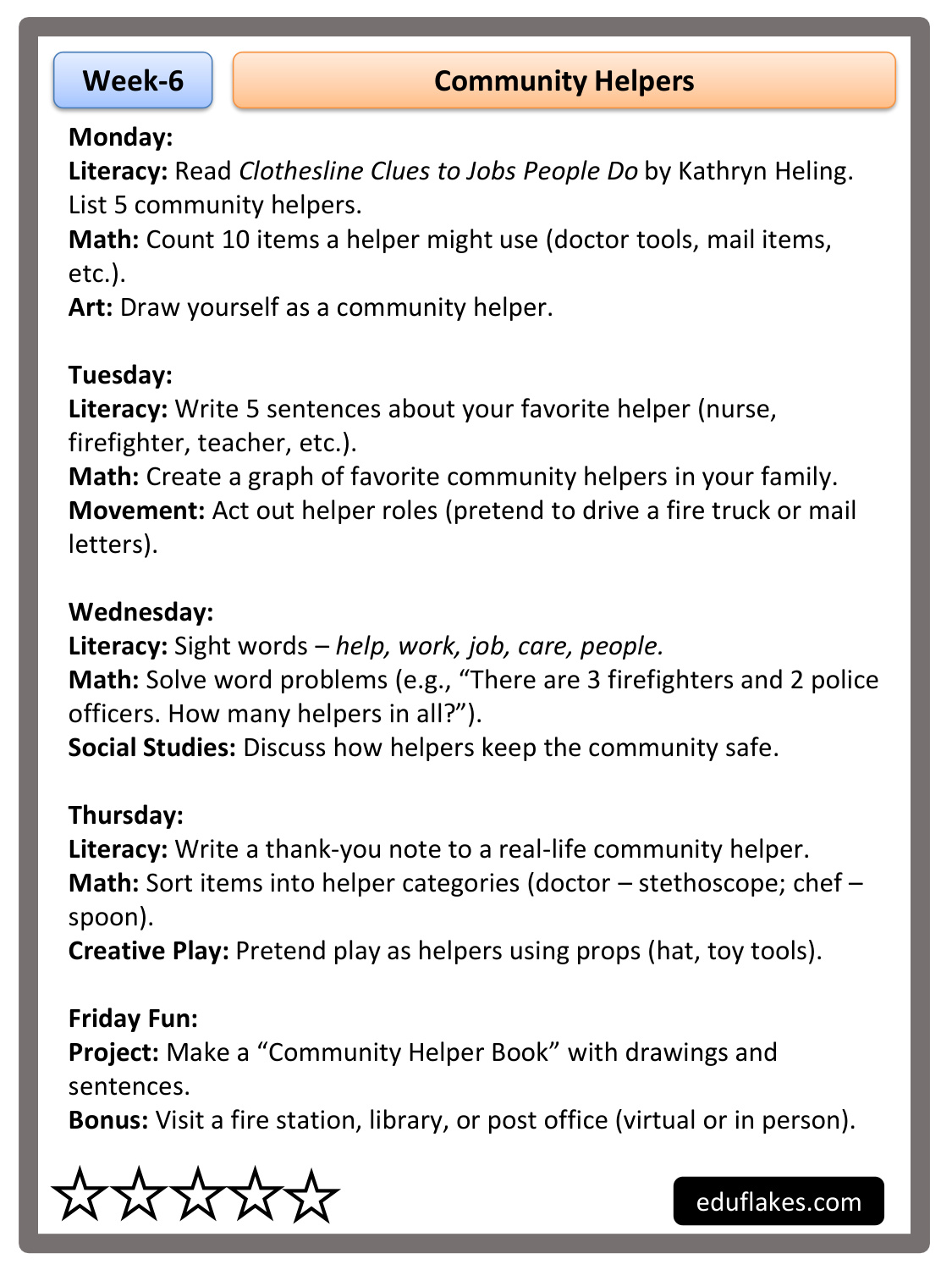
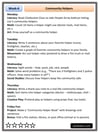
- Week 6 – Community Helpers
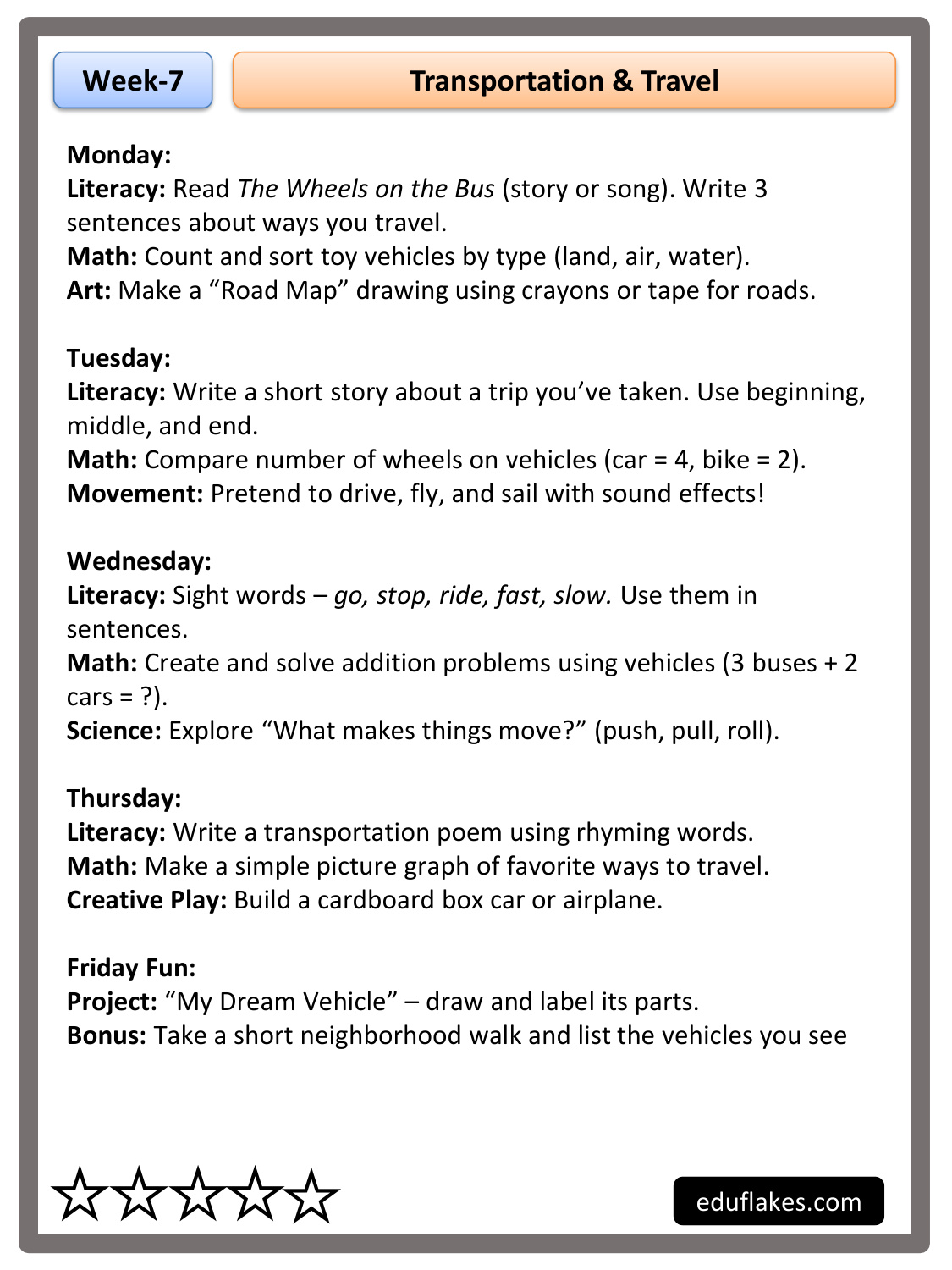
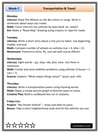
- Week 7 – Transportation & Travel
- Week 8 – Plants and Trees
- Week 9 – Under the Sea
- Week 10 – Space Adventure
This is one of the things I find particularly helpful as a new homeschool parent.
Instead of trying to invent a theme every week, I can simply open the planner and begin.
And the themes become increasingly varied as the year continues—from dinosaurs, fairy tales, pets and insects to STEM challenges, world cultures, money, time, science experiments, creativity, and end-of-year reflection.
It Doesn't Feel Like "School All Day"
This is another reason I think a planner like this can be especially helpful for families new to homeschooling.
Children don't learn only by sitting at a desk completing worksheets.
Some of our best learning happens when we're moving, creating, talking, observing, building, measuring, pretending, and exploring.
The planner reflects that idea.
A typical week combines literacy, math, science, art, movement, creative play, and a Friday project.
For example, during the Plants and Trees week, a child might read about seeds, write about what plants need to grow, measure plant growth, actually plant a seed, create a plant life-cycle booklet, take a nature walk, and make leaf rubbings.
That doesn't feel like six separate subjects.
It feels like one learning adventure.
And that's exactly the kind of homeschooling experience many of us hope to create.
Reading and Writing Are Built Into the Themes
If you're a first-time homeschool parent, you may worry about keeping up with reading and writing.
The planner gives you natural opportunities to practice both.
Children are encouraged to read stories, identify vocabulary and sight words, write sentences, create poems, write short stories, make mini-books, and retell what they have learned.
For example, during the Animals Around Us week, children compare animals, practice animal-related sight words, write riddles, and create an "Animals Around Me" booklet with drawings and facts.
Later, during the STEM & Building Challenge week, children read about inventors and engineers, practice vocabulary such as "build," "test," "plan," and "idea," write about being an engineer, and keep a STEM Challenge Journal.
For a parent, this means I don't have to constantly ask myself:
"How can I make writing more interesting today?"
The theme gives me the starting point.
Math Doesn't Have to Mean a Stack of Worksheets
This is probably one of my favorite features.
Math can happen naturally throughout the day.
Count the pencils.
Graph favorite foods.
Compare the ages of family members.
Measure a desk.
Count animal legs.
Create addition stories with apples.
Graph favorite colors.
Measure plant growth.
Play pretend shopping with coins.
Tell time using a paper clock.
These are real-world math experiences.
For example, the Market Math & Money Sense week introduces children to pennies, nickels, dimes, quarters, counting mixed coins, simple prices, spending and saving, and a pretend store.
That kind of activity can make math feel much more meaningful than simply completing another page of problems.
Science Becomes Something We Do
Another thing that can intimidate new homeschoolers is science.
Do I need expensive equipment?
Do I need a laboratory?
Do I need to know everything before I teach it?
Thankfully, learning science at this age can be much simpler.
The planner includes opportunities for children to observe, experiment, measure, compare, question, and record.
There are activities involving weather, plants, senses, animals, the environment, life cycles, experiments, and STEM.
One week even turns children into "Little Scientists," with a simple baking soda and vinegar experiment, measurement activities, observations, drawings, and a mini scientist notebook.
You don't need to be a science expert.
You can simply be the parent who says:
"Let's find out what happens."
And then discover the answer together.
Friday Can Become the Day Your Child Looks Forward To
I especially like the Friday Fun structure.
After four days of learning and exploring, Friday can become a chance to create something.
A mini-book.
A family tree.
A weather journal.
An animal booklet.
A plant project.
A solar system poster.
A kindness chain.
A camping journal.
A STEM challenge journal.
A creativity keepsake book.
The projects give children something tangible to show for what they have learned.
And let's be honest—there is something wonderful about watching your child proudly bring you a little book they created themselves and say:
"Look what I made!"
It Gives First-Time Homeschool Parents a Routine
Perhaps the greatest benefit isn't any single activity.
It is the structure.
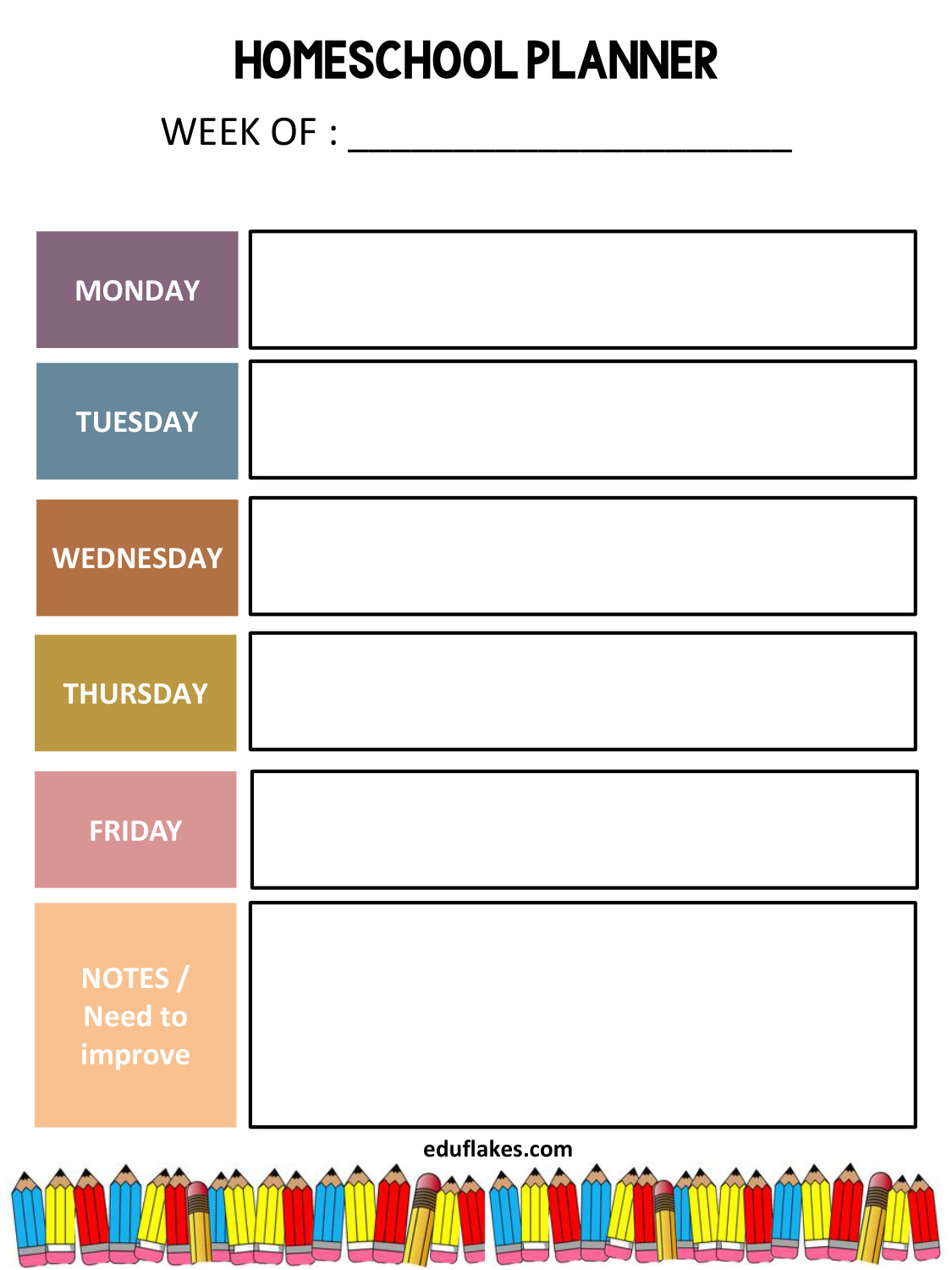
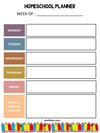
The planner provides a Monday-through-Friday framework, and the final page includes a simple weekly planner with spaces for Monday through Friday plus notes and things that need improvement.
That means you can take the weekly ideas and fit them into your family's actual life.
Maybe Monday is your busiest day.
Maybe Tuesday is your library day.
Maybe you have a co-op on Thursday.
Maybe your child needs extra time with reading one week.
That's okay.
The planner is your roadmap—not your boss.
Homeschooling gives us something traditional classrooms often can't:
The ability to slow down when our child needs more time and move forward when they're ready.
You Don't Have to Homeschool Perfectly
This is something I wish every first-time homeschooling parent could hear.
You are going to have messy days.
There will be days when the math lesson takes twice as long as expected.
There will be days when your child refuses to write.
There will be days when the science experiment doesn't work.
There will be days when everyone is tired and you decide that reading a book together on the couch is enough.
That doesn't mean you failed.
That's homeschooling.
A planner isn't meant to create a rigid school-at-home environment.
It is meant to remove some of the mental load so you can spend more energy actually being your child's teacher.
From "What Do I Teach?" to "Let's Get Started."
For me, that's the biggest appeal of having a 36-week homeschool plan.
It eliminates that overwhelming blank page.
Instead of spending hours searching Pinterest, saving Instagram posts, downloading random worksheets, and wondering whether everything fits together, I can start with a simple weekly theme and build from there.
One week.
One theme.
One day at a time.
And before you know it, you're halfway through the school year.
The planner takes children through 36 weeks and finishes with reflection, future goals, learning celebrations, friendship, and an end-of-year project.
That gives the school year a beginning, a middle, and a wonderfully satisfying finish.
If You're New to Homeschooling, Start Simple
You don't need to recreate a public school classroom in your living room.
You don't need a dedicated homeschool room.
You don't need dozens of expensive resources.
And you certainly don't need to become an expert overnight.
You need a plan that gives you direction while leaving room for your family to be your family.
A 36-week homeschool planner can be that starting point.
It can help you:
✓ See the whole school year at a glance
✓ Know what to focus on each week
✓ Bring reading, writing, math, science, art, movement, and creative play together
✓ Turn ordinary household activities into learning opportunities
✓ Reduce weekly planning stress
✓ Give your child engaging themes to look forward to
✓ Keep your homeschool moving forward without feeling rigid
Most importantly, it can give a first-time homeschool parent something incredibly valuable:
Confidence.
Because when Monday morning arrives, you don't have to wonder what to do.
You can simply open your planner, look at the week's adventure, gather a few simple materials, sit beside your child, and say:
"Okay, let's learn something new today."
And honestly?
That's where the magic of homeschooling begins.