



2019 Conference Climate Change & Gardens 9. Mark Laurence
From 2019: Designing landscapes for resilience and regeneration – Mark Laurence
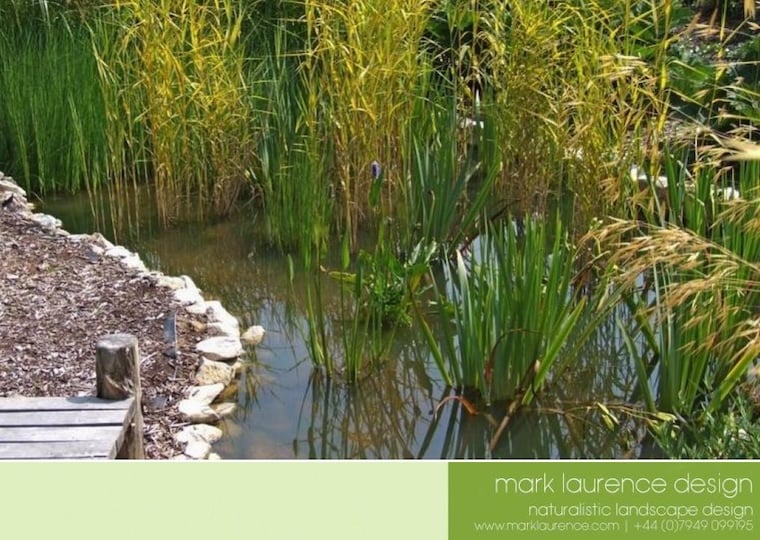
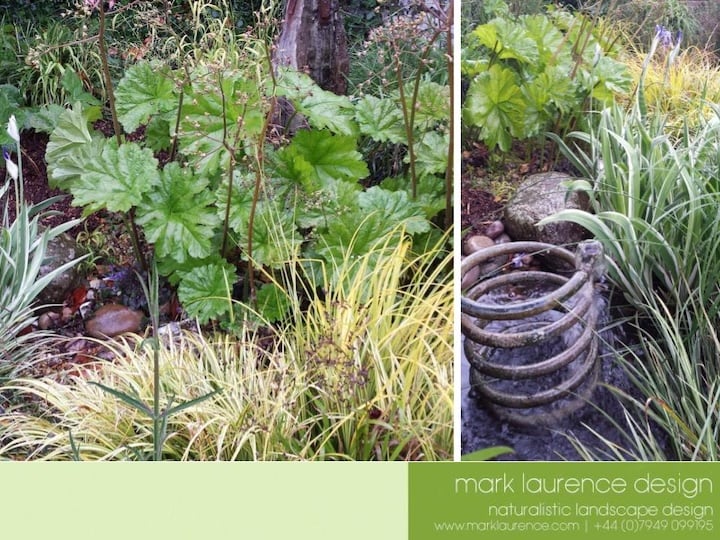
Mark highlighted the dual roles of resilience (including adaptation, ecosystem services, ecological benefits and biophilia) and regeneration (soil and water management) as vital design considerations in gardens, green spaces and other landscapes. Planting should be resilient and so able to cope with drought, flooding, heat, cold, wind etc. However, resilience should be considered alongside regeneration of the site with attempts made to manage soil to improve water retention, drainage and fertility, and measures adopted to harvest water, generate biomass (mulch etc.) and other practices that improve the ecosystem service provision of the site e.g. reed beds, green roofs, rain gardens etc.
Regenerated landscapes tend to be layered, ensuring soil cover and improving productivity of any given area. Mark discussed his hypothesis that certain types of gardens do not lend themselves as well to the regeneration role and potentially contribute to land degradation despite their resilient planting: dry gardens were highlighted as one example. Sustainability was a third pillar that was not discussed here but should also be considered alongside resilience and regeneration in a horticultural context.