
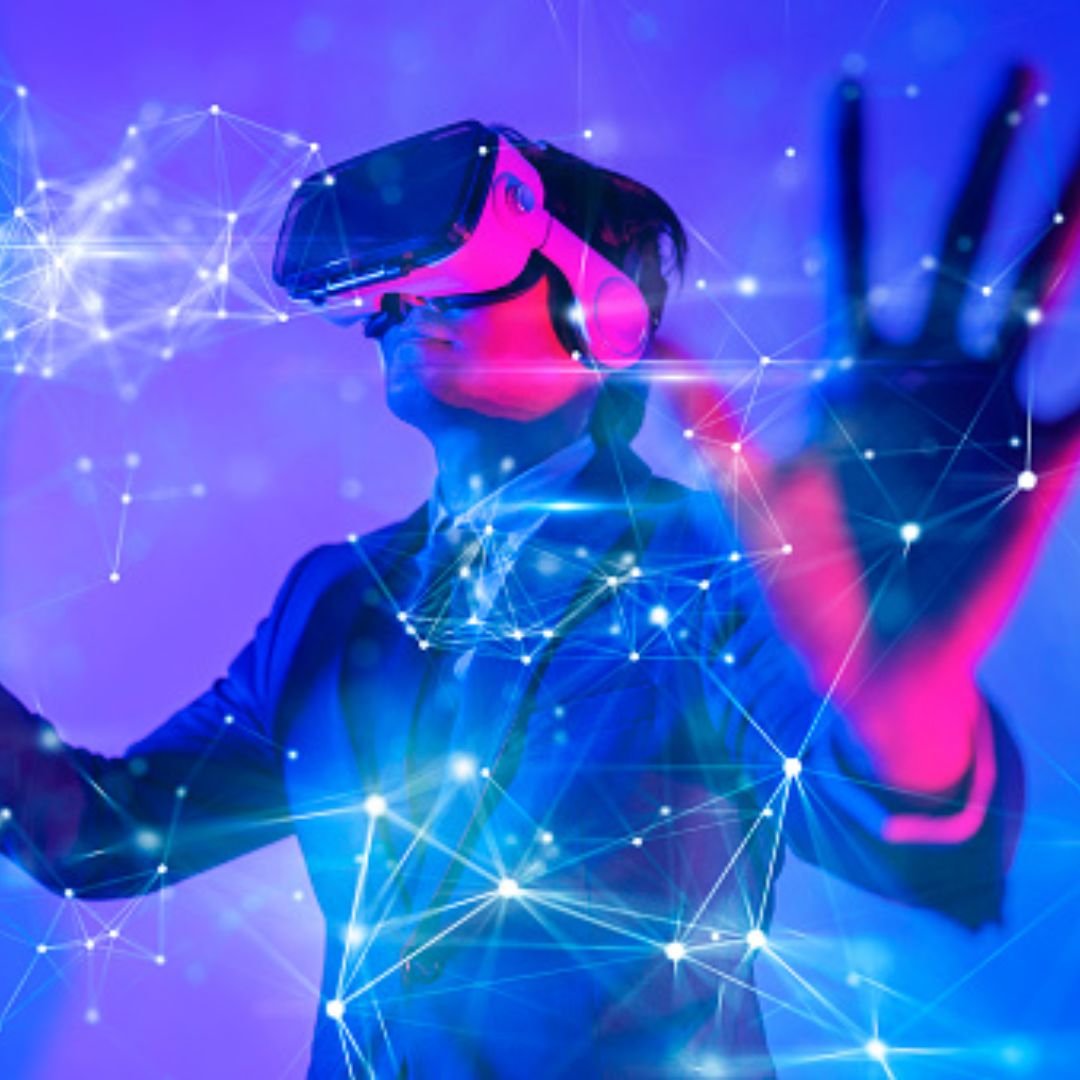
How Can VR Be Used To Simulate And Study Medical Emergencies, And What Benefits Does This Provide For Healthcare Professionals
Virtual Reality (VR) is an immersive and interactive technology transforming the healthcare industry, offering a range of applications for medical training and patient care. In recent years, VR has been increasingly used to simulate and study medical emergencies, providing healthcare professionals with realistic and safe training environments that enable them to develop their skills and expertise. This article explores how VR medical training can be used to simulate and study medical emergencies and the benefits it provides for healthcare professionals.
Simulating and Studying Medical Emergencies:
Virtual Reality technology can simulate various medical emergencies, including cardiac arrests, strokes, and trauma. Using specialized software and hardware, healthcare professionals can enter a virtual world where they are presented with realistic emergency scenarios that they must respond to in real-time. The technology offers an immersive experience that enables the user to interact with a natural 3D environment and practice essential skills such as critical thinking, decision-making, and teamwork.
VR also offers the ability to simulate rare and complex medical emergencies that may not be encountered frequently, allowing healthcare professionals to train for situations they may not have otherwise experienced. In addition, VR can be used to simulate medical emergencies that cannot be easily replicated in the real world, such as hazardous chemical exposure or a nuclear disaster. It allows healthcare professionals to practice responding to high-risk events in a safe environment without putting patients or themselves in danger.
Benefits for Healthcare Professionals:
VR to simulate and study medical emergencies offers several benefits for healthcare professionals. Firstly, it provides a safe and controlled environment for healthcare professionals to practise their skills without the risk of harming patients. It can reduce anxiety and increase confidence in healthcare professionals, allowing them to be better prepared for real-life medical emergencies.
Secondly, VR healthcare training offers a cost-effective and scalable solution to medical emergency training. In traditional training methods, medical professionals have to attend expensive and often time-consuming training sessions, which can limit their availability to respond to emergencies. With VR, training can be conducted remotely and at any time, allowing healthcare professionals to train at their own pace and more flexibly. It can also reduce the need for resources, such as trainers and equipment, which can be costly in traditional training methods.
Conclusion:
In conclusion, VR offers an innovative and effective way to simulate and study medical emergencies, providing healthcare professionals with a safe, realistic, and immersive training environment. VR can reduce anxiety, increase confidence, and improve the preparedness of healthcare professionals to respond to real-life medical emergencies. Additionally, the cost-effective and scalable nature of VR simulation training can improve the accessibility and availability of medical emergency training, ultimately leading to better patient outcomes.