







Trauma Recovery Mastery: Overcompensator: Direct Your Course
DOWNLOAD SAMPLE ABOVE
The cost of staying here? Exhaustion. You're running on fumes, believing that self-sufficiency means never needing anyone-a belief system rooted deep in trauma recovery and perhaps whispered by early lessons in boundary setting. You wear hyper-independence like armor. You know the pattern: overcompensating for perceived weakness by doing *everything* yourself. Asking for help feels like handing someone a weapon, so you build walls brick by emotional brick. But that rigid structure isn't strength; it's fear dressed up as competence. Isolation is its own kind of slow death. This guide won't tell you to "just ask." Instead, it helps you dismantle the shame attached to need. Learn to translate your deepest needs into actionable boundaries without triggering catastrophic self-sabotage. You deserve connection that doesn't feel like a liability. Let yourself learn what safety feels like when you finally allow support in.
What you will explore:
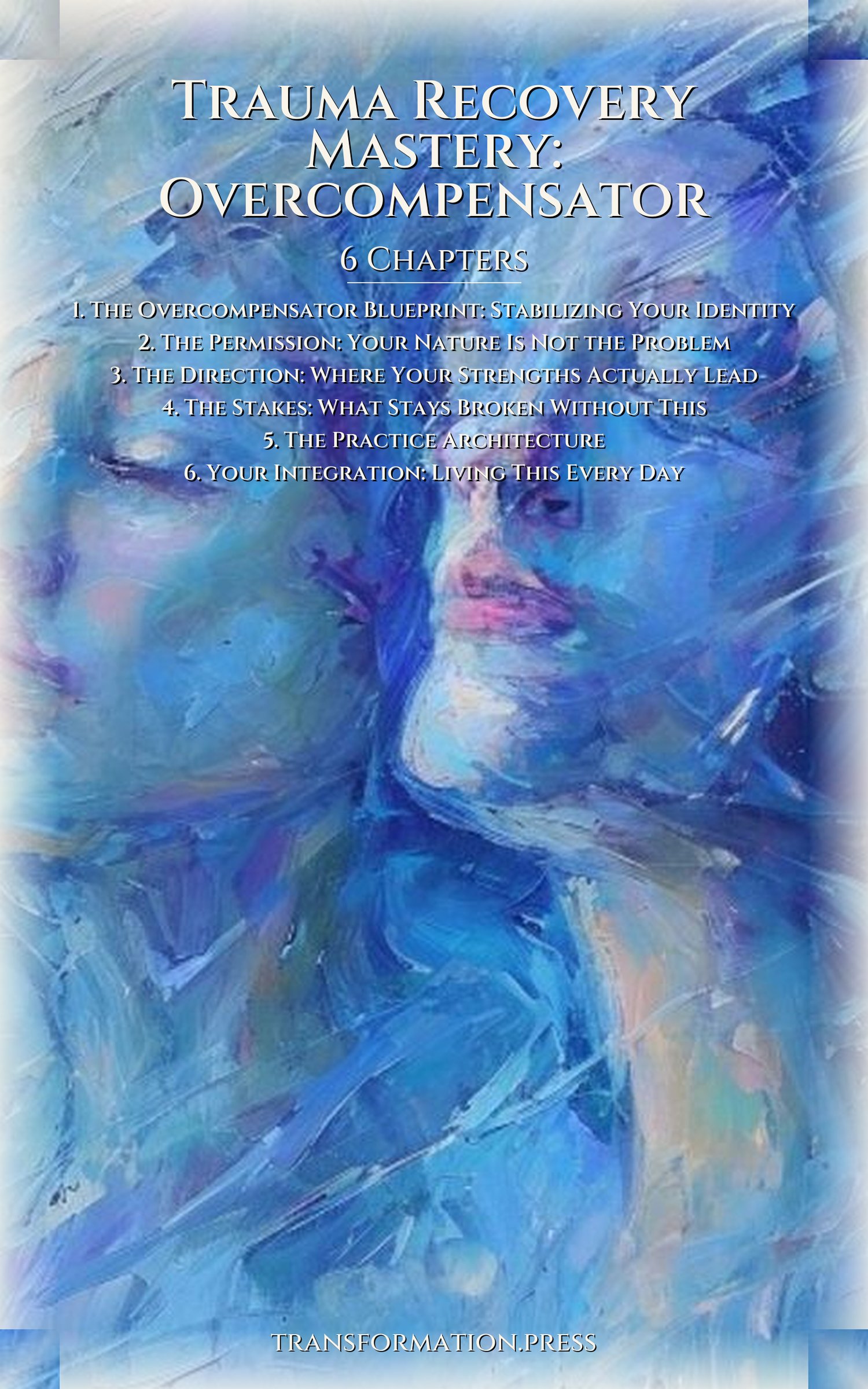
Chapter 1: The Overcompensator Blueprint: Stabilizing Your Identity
Chapter 2: The Permission: Your Nature Is Not the Problem
Chapter 3: The Direction: Where Your Strengths Actually Lead
Chapter 4: The Stakes: What Stays Broken Without This
Chapter 5: The Practice Architecture
Chapter 6: Your Integration: Living This Every Day
Pretending you need to fix everything? Discover your authentic pathway through Boundary Setting. You will learn how to dismantle The Overcompensator's habits. This guide promises tangible shifts in your trauma recovery, empowering you to establish firm limits and claim genuine self-respect now.
You build walls so high. You are capable; you deserve connection that feels safe. Let your need become power. Open.
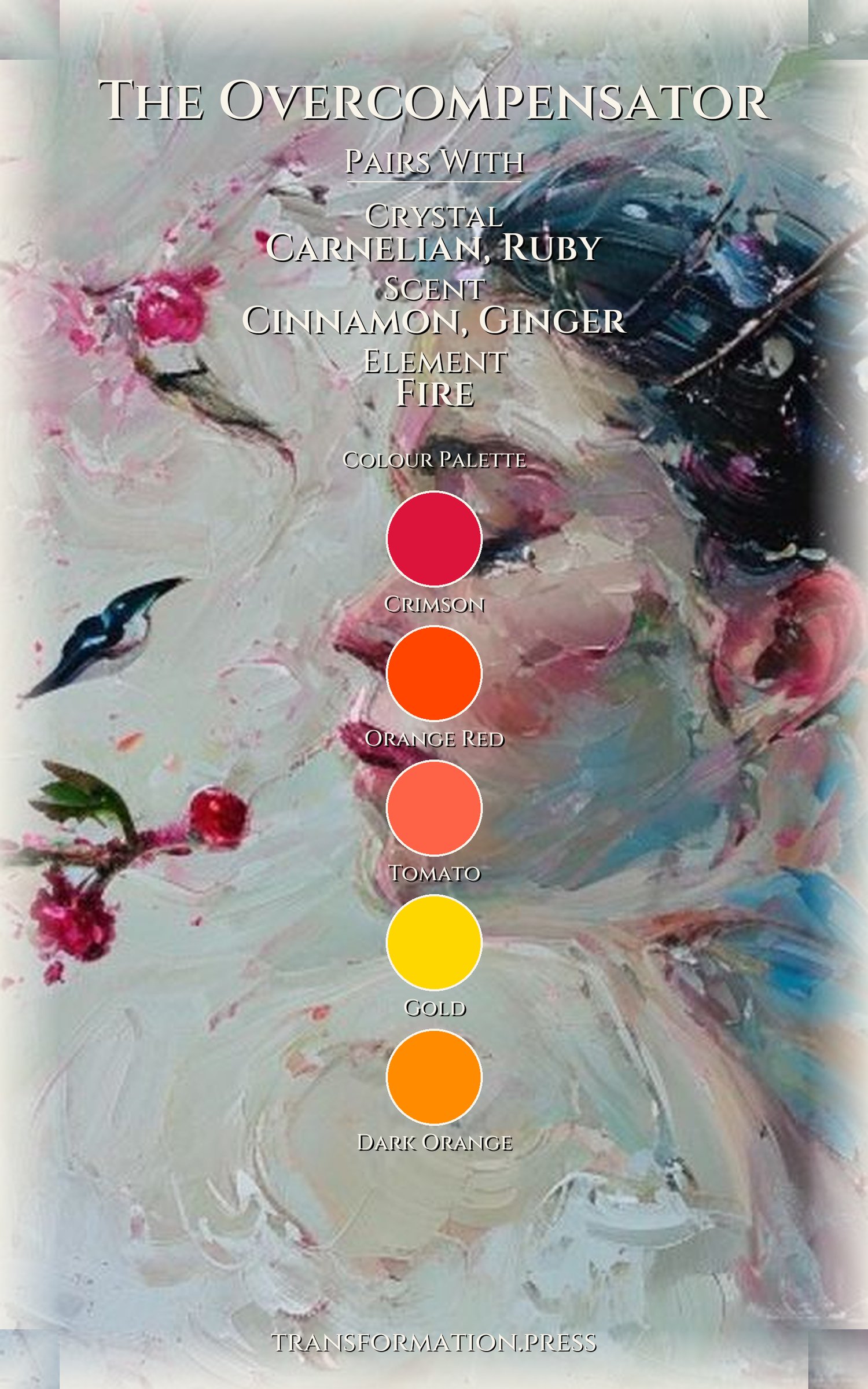
Pairs with: Carnelian, Ruby, Cinnamon, Fire
Format: PDF | 54 pages | 6 chapters
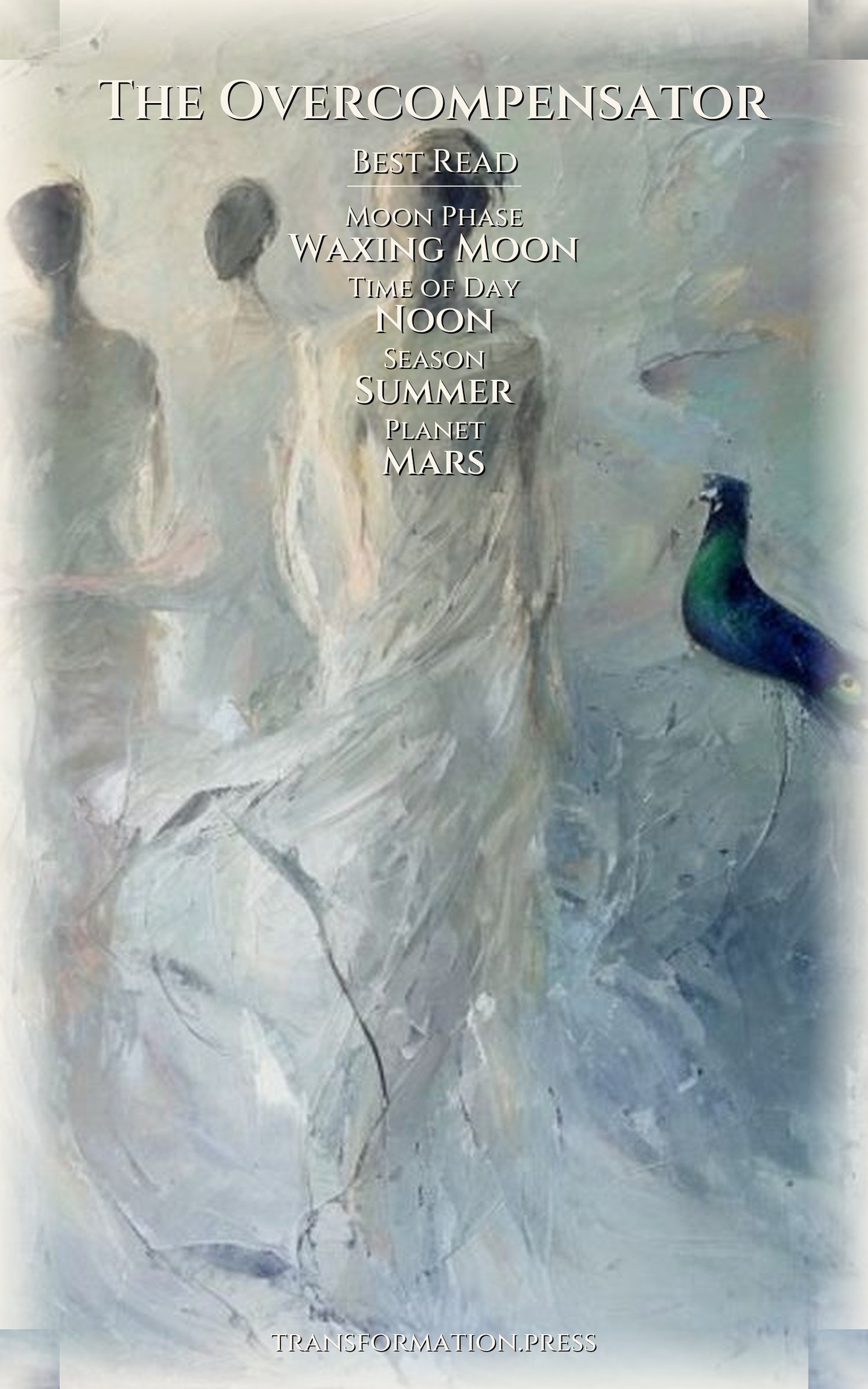
Tuned to 10.00 Hz alpha | Minor mode | Best read: Waxing Moon | Season: Summer
You know the pattern: overcompensating for perceived weakness by doing *everything* yourself. Asking for help feels like handing someone a weapon, so you build walls brick by emotional brick. But that rigid structure isn't strength; it's fear dressed up as competence. Isolation is its own kind of slow death. This guide won't tell you to "just ask." Instead, it helps you dismantle the shame attached to need.
Download instantly. Start today. Available at transformation.press.
-
© transformation.press