




2019 Conference Climate Change & Gardens 15. Julian Ives
From 2019: Innovations & challenges for biological control at garden sites – Julian Ives
There are over 200 biocontrol ‘bugs’ available for use in horticulture – a market driven by consumer pressure and a decline in the number of licensed pesticides (e.g. for chafer grubs and leatherjackets).
While ideally suited for use in protected environments housing monocrops and a limited number of pests, they are increasingly used in the outdoor garden. A stepwise process is suggested when wanting to control a pest: monitor and inspect using traps (with some pheromone traps also helping to reduce the viability of some populations of pests); use of biosecurity measures and quarantine; develop an IPM which can be adjusted according to the monitoring step and plan biocontrol applications accordingly. Pheromone mating disruption traps will need to be registered as pesticides as they are
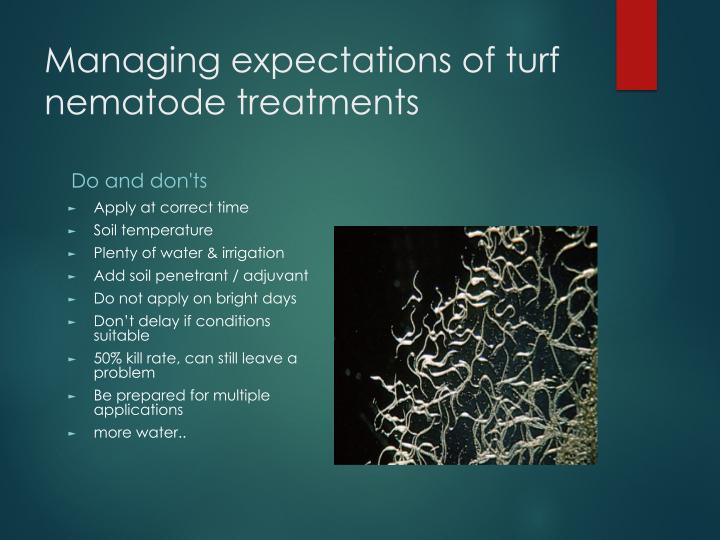
acting to control a pest and aren’t simply for monitoring purposes. Increasingly, drones are being used to drop ‘bullets’ of biocontrol in areas that are difficult to access: this could be very useful for tree pests or pests in dense vegetation. There is interest in underground biocontrol using mycorrhizal fungi and biopesticides as many existing biocontrols require particular conditions in which to function e.g. for nematodes, soil needs to be moist and bright sun should be avaoided.