
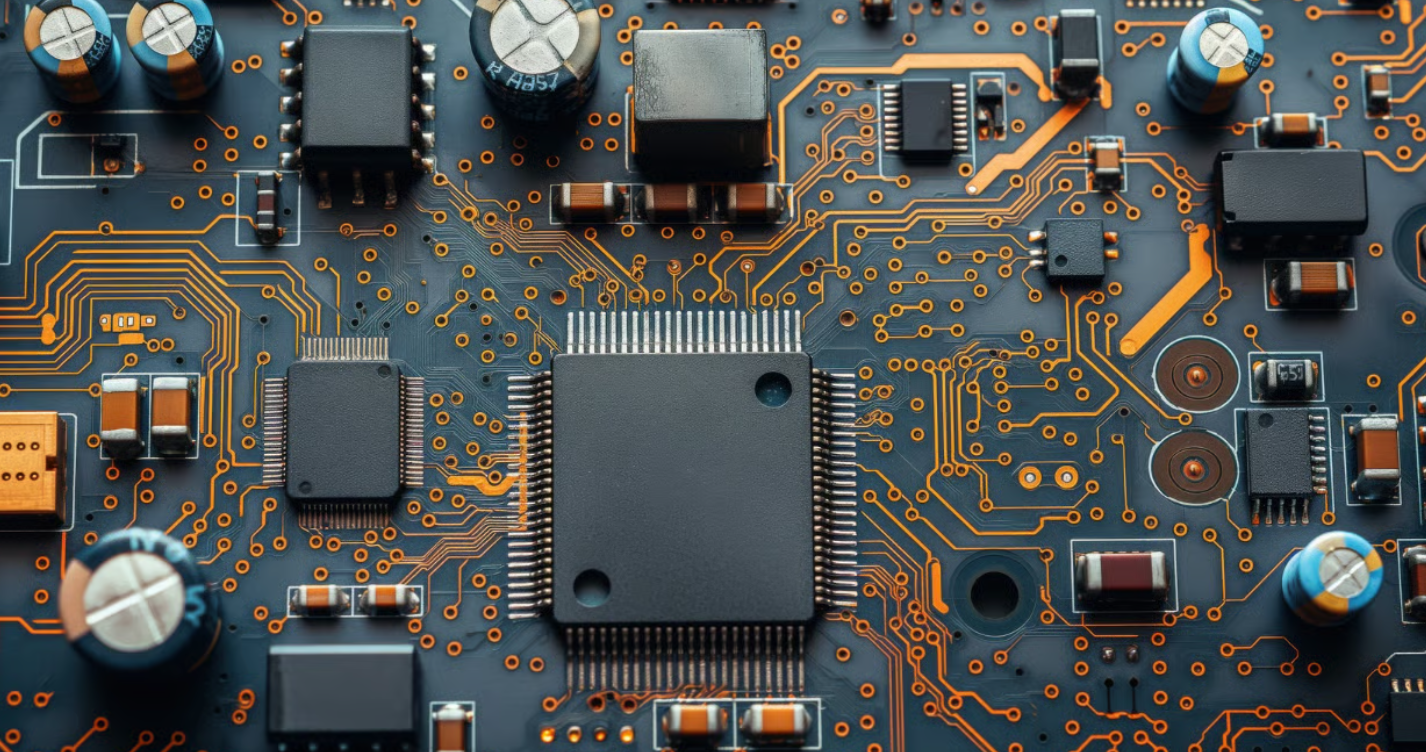
Many people conflate PCB fabrication and assembly, but they are distinct processes. Fabrication makes the bare board. The assembly installs the parts, so it works. Knowing this difference helps engineers choose the right company.
Quick Answer
PCB fabrication makes the empty board by layering copper, drilling holes, and finishing the surface. PCB assembly sells components to be mounted on it to make it work. Fabrication builds the base. The assembly adds the electronics. Some companies do both; some do only one.
What is the difference between printed circuit board fabrication and PCB assembly?
Printed circuit board fabrication creates the copper paths on the board. The assembly assembles and sells the parts to build a working circuit. Splitting the stages makes it clear who’s doing what and stops mix-ups when getting quotes or during production.
Fabrication process includes:
- Substrate prep
- Copper lamination
- Photoresist application and exposure
- Chemical etching
- Drilling holes for vias/components
- Plating for conductivity
- Solder mask application
- Silkscreen legend printing
- Surface finish
- Electrical testing and inspection
The assembly process includes:
- Component procurement and verification
- Solder paste application
- Component placement
- Soldering (reflow, wave)
- Inspection and testing
- Quality verification
How do PCB manufacturing companies support prototype and production needs?
PCB manufacturing companies offer flexible minimums, maintain quality when scaling up, assist with design fixes, and transition from prototype to production without changing vendors.
Key support features:
- Low minimums for prototypes
- Same quality across volumes
- Scalable processes
- Design for Manufacturing (DFM) support
- Prototype-to-production transition
- Volume pricing structures
- Consistent processes
- Single-vendor benefits
That reduces requalification and preserves design intent from early iterations through full-scale runs.
Why is a PCB prototype important before full production?
A printed circuit board prototype helps verify whether the design works. They show layout problems, poor placement, routing issues, and difficulty with manufacturing. You can test it in real-world conditions before investing in full production.
Critical benefits:
- Validate circuit functionality
- Test electrical performance
- Reveal mechanical fit issues
- Identify assembly challenges
- Verify component specs
- Test thermal management
- Enable software development on hardware
- Reduce production risk and rework
Prototyping catches problems when fixes are fast and cheap.
How does early prototyping reduce errors in final PCB manufacturing?
Early prototypes catch design errors, footprint issues, signal-integrity problems, thermal issues, and manufacturability challenges, helping avoid costly defective production runs and delays.
Advantages:
- Design errors caught early
- Component placement optimised
- Signal integrity validated
- Thermal performance checked
- Assembly issues identified
- The assembly process validated
- Lower correction costs
- Faster path to reliable production
Front-loaded validation improves yield and reliability in scale-up.
Why the area location matters for PCB manufacturing
The Bay Area is an excellent location for PCB work because you’re close to tech companies, engineers, and suppliers. Makes it easier to work together and get things done fast. Local distributors can deliver same-day or next-day, enabling quick changes. Being near Silicon Valley means engineers can review designs, prototype fast, and fix problems quickly. Special materials also support AI, IoT, automotive, and telecom boards.
Bay Area Circuits
Bay Area Circuits is a trusted name among prototype printed circuit board manufacturers, offering both fabrication and assembly services. We handle everything from single prototypes to larger production runs, including multi-layer boards, fast turnaround times, and dedicated engineering support. Based in Fremont with over 45 years of experience, we help U.S. tech companies develop reliable electronics more efficiently and with greater speed.
Conclusion
Understanding the difference between fabrication and assembly helps teams plan projects and communicate requirements. PCB manufacturers offer streamlined production, reduce coordination, and accelerate development from prototype to production, delivering higher quality and faster time-to-market.
FAQ
Can you handle both fabrication and assembly, or do I need separate vendors?
Bay Area Circuits operates as a PCB fabrication manufacturer that also provides assembly services, allowing both processes to be managed under one roof.
Typical lead time difference between fabrication and assembly?
Fabrication: 24 hrs–7 days. Assembly adds 1–5 days, depending on parts.
Do you provide design reviews before fabrication?
Yes, DFM review identifies manufacturability and part-level issues before board fabrication.
Can I get just fabrication?
Yes, you can have bare boards assembled by your team or another provider.