
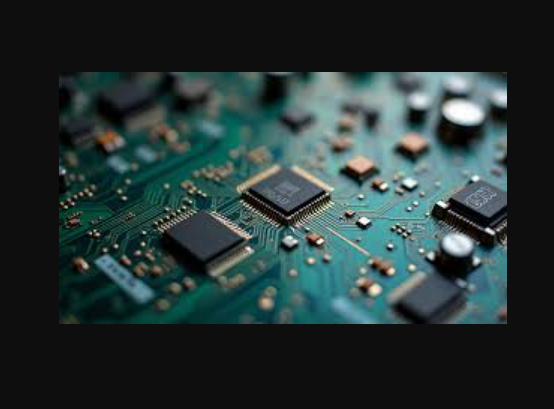
Developing a new electronic product usually starts with an idea and a design. Before that design becomes a finished product, engineers need to test it to confirm everything works as planned. That is where PCB prototyping becomes important.
A prototype board allows engineers to evaluate circuit performance before moving into larger production runs. Even carefully designed circuits can reveal unexpected issues during testing. Working with experienced prototype printed circuit board manufacturers helps development teams identify those issues early and move projects forward with greater confidence.
Why Is PCB Prototyping Important?
PCB prototyping is often the first opportunity engineers have to evaluate a physical version of their design.
Engineers use prototype boards to test functionality, electrical performance, and component placement. This stage helps confirm that the design behaves as expected before moving into full production.
Without prototyping, companies may discover design problems only after larger quantities of boards have already been produced. At that point, correcting those issues can become expensive and time consuming.
Prototype testing allows teams to identify problems early, improve reliability, and refine the design before committing to full scale manufacturing.
Because of this, prototyping remains a standard step in modern electronics development.
How Does Prototyping Fit into the Manufacturing Process?
Prototyping and manufacturing are closely connected, but they serve different purposes. Prototype boards are typically produced in small quantities for testing and validation. Once the design is approved, production moves into larger manufacturing runs that include fabrication, assembly, and quality testing.
During the prototype phase, engineers focus on confirming that the circuit performs correctly. They evaluate electrical behavior, thermal performance, component placement, and overall functionality.
After testing is complete and any required changes are made, the project can move confidently into production.
Many companies prefer working with the same provider throughout development. This helps maintain consistency as projects move from testing into PCB fabrication and assembly services.
How Does PCB Prototyping Reduce Product Development Risks?
Product development always involves some level of uncertainty, and PCB prototyping helps reduce many of those risks.
New electronic designs do not always behave exactly as expected during the first build. Signal issues, thermal challenges, or component placement problems may only become visible after a physical board is tested.
By evaluating a prototype, engineers can verify that signals move through the circuit correctly. They can also identify mechanical concerns, test real world performance, and confirm that the board fits properly within the final product.
If issues are discovered, adjustments can be made before production begins.
This approach helps avoid costly redesigns and allows development teams to move forward with greater confidence.
Can Prototype Boards Be Modified Quickly After Testing?
Yes. One of the biggest advantages of PCB prototyping is the ability to make changes quickly after testing.
Engineers often uncover opportunities to improve a design once they have a physical board in hand.
Sometimes the changes are minor, such as adjusting trace routing or repositioning components. In other cases, larger modifications may be needed.
Because prototype boards are produced in small quantities, these updates can be made without wasting large amounts of material or inventory.
Once revisions are complete, a new version can be manufactured and tested again.
This cycle of testing, learning, and improving helps create stronger and more reliable products before production ramps up.
Should the Same Manufacturer Handle Prototyping and Production?
In many situations, working with the same manufacturer throughout the project can simplify development and production planning.
Experienced printed circuit board manufacturers become familiar with the design files and production requirements from the beginning.
This familiarity often reduces communication issues and helps maintain consistency between prototype versions and final production boards.
Using one provider also makes it easier to transition from testing into manufacturing without introducing unnecessary complications.
For engineering teams working under tight deadlines, that continuity can save valuable time.
The Value of Early Testing in Modern Electronics
Modern electronic products continue to become smaller, faster, and more complex.
As designs become more advanced, the importance of thorough testing grows as well. Even a small issue can affect performance, reliability, or manufacturing efficiency.
Prototyping gives engineers a chance to evaluate designs under real world conditions before making a larger investment in production.
This process helps answer important questions:
- Does the circuit perform as expected?
- Are components positioned correctly?
- Is heat being managed effectively?
- Will the design support long term reliability?
Finding answers early can prevent much bigger problems later.
Conclusion
PCB prototyping remains an important part of modern electronics development. It allows engineers to test designs, identify potential issues, and make improvements before production begins.
Working with experienced prototype printed circuit board manufacturers can help streamline testing and reduce development risks. Once the design is validated, a smooth transition into PCB fabrication and assembly helps maintain quality and production efficiency.
For companies bringing new electronic products to market, partnering with reliable printed circuit board manufacturers can make the entire development process more predictable and efficient.
FAQ
What is PCB prototyping?
PCB prototyping is the process of building and testing an early version of a circuit board before full production.
Why is PCB prototyping important?
It helps engineers identify design issues and improve performance before manufacturing larger quantities.
Can prototype boards be changed after testing?
Yes. Engineers often update designs and test revised versions before production begins.
What happens after prototyping is complete?
The project typically moves into PCB fabrication and assembly for larger production runs.
Why work with experienced printed circuit board manufacturers?
They can help improve consistency, reduce production issues, and support a smoother transition from testing to manufacturing.
Visit: https://bayareacircuits.com/