
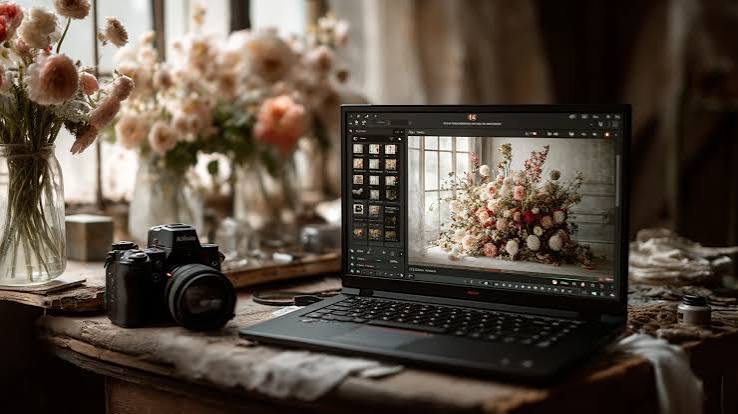
AI product photography is changing how businesses create images, and honestly, it feels like magic at times. Instead of setting up expensive lighting, hiring photographers, and renting studios, you can now generate professional product images using artificial intelligence. These tools use machine learning to understand objects, remove backgrounds, enhance lighting, and even place your product in realistic environments. It’s like having a full photography studio inside your laptop.
Think about it—if you’re running an online store, you need high-quality images to attract buyers. But traditional photography can be expensive and time-consuming. AI tools solve this problem by allowing you to upload a simple photo and transform it into a polished, studio-quality image within seconds. This shift is especially powerful for small businesses and freelancers who want to compete with big brands without spending thousands of dollars.
The technology works by analyzing your product’s shape, color, and texture. Then it applies enhancements like shadows, reflections, and realistic backgrounds. The result? Images that look like they were shot by professionals. Whether you’re selling clothes, gadgets, or handmade items, AI product photography gives you the ability to present your products in the best possible way without needing technical skills.
Why Businesses Are Switching to AI Tools
Businesses are quickly moving toward best AI product photography software because it saves both time and money. In today’s fast-paced digital world, speed matters more than ever. If you’re launching new products every week, you can’t afford long photoshoot schedules. AI tools allow you to create dozens of images in minutes, which is a game changer for e-commerce brands.
Another big reason is consistency. When you rely on traditional photography, lighting and backgrounds can vary from shoot to shoot. AI ensures that every image has the same style, tone, and quality. This consistency builds trust with customers and makes your brand look more professional.
There’s also the cost factor. Hiring photographers, renting studios, and editing photos can cost hundreds or even thousands of dollars. AI tools often come with affordable subscription plans, making them accessible for startups and small businesses. Even large companies are adopting AI because it improves efficiency and reduces operational costs.
At the end of the day, AI product photography isn’t just a trend—it’s becoming the new standard. Businesses that adopt it early gain a competitive edge by producing high-quality visuals faster and cheaper than their competitors.
How AI is Transforming Product Photography
Automation and Speed
AI has introduced a level of automation that was unimaginable just a few years ago. Tasks that used to take hours—like editing, retouching, and background removal—can now be done in seconds. This speed allows businesses to focus more on marketing and sales rather than spending time on image production.
Imagine uploading a batch of 50 product images and having them all edited automatically with perfect lighting and backgrounds. That’s exactly what modern AI tools offer. This kind of efficiency is especially valuable for large catalogs where manual editing would take days or even weeks.
Automation also reduces human error. AI algorithms are trained to detect imperfections and fix them instantly. Whether it’s adjusting brightness, removing noise, or correcting colors, the results are consistent and reliable. This makes AI tools a dependable solution for businesses that need high-quality images at scale.
Cost Reduction Benefits
Traditional product photography can be expensive, especially if you need professional results. You have to consider costs like equipment, studio space, photographers, and post-production editing. AI eliminates most of these expenses, making it a budget-friendly option.
For small businesses, this is a huge advantage. Instead of investing heavily in photography, you can allocate your budget to marketing or product development. Even for larger companies, the savings add up quickly when you’re producing hundreds or thousands of images.
Another cost-related benefit is scalability. As your business grows, your need for product images increases. With AI, you can scale your image production without increasing costs significantly. This flexibility makes AI product photography a smart investment for businesses of all sizes.
Key Features to Look for in AI Product Photography Software
Background Removal
One of the most essential features is background removal. A clean background helps your product stand out and look more professional. AI tools can automatically detect the product and remove the background with high accuracy, even for complex shapes like hair or transparent objects.
AI Lighting & Shadows
Lighting can make or break a product image. AI tools simulate professional lighting setups, adding realistic shadows and highlights. This gives your product a polished, studio-quality look without needing expensive equipment.
Batch Processing
If you’re dealing with large inventories, batch processing is a must-have feature. It allows you to edit multiple images at once, saving time and effort. This is especially useful for e-commerce stores with hundreds of products.
Custom Branding Options
Branding is important for building recognition. Many AI tools allow you to customize backgrounds, colors, and styles to match your brand identity. This ensures that all your product images have a consistent look and feel.
Top AI Product Photography Software in 2026
Remove.bg
Remove.bg is one of the most popular tools for background removal. It’s simple, fast, and highly accurate. You can upload an image and get a clean background-free version in seconds. It’s perfect for beginners who want quick results without complicated settings.
PhotoRoom
PhotoRoom is a powerful tool that goes beyond background removal. It offers templates, shadows, and advanced editing features. You can create professional product images with just a few clicks, making it ideal for online sellers and marketers.
Canva AI
Canva AI combines design and AI photography features in one platform. It’s great for creating marketing visuals, social media posts, and product images. The user-friendly interface makes it accessible even for non-designers.
Pebblely
Pebblely specializes in generating realistic backgrounds using AI. You can place your product in different environments, such as a kitchen, office, or outdoor setting. This adds context and makes your images more engaging.
Claid.ai
Claid.ai focuses on enhancing product images with AI. It offers features like image upscaling, lighting adjustments, and background generation. It’s a great choice for businesses that want high-quality visuals at scale.
Comparison Table of Best AI Tools
ToolKey FeatureBest ForPricingRemove.bgBackground RemovalQuick editsFree/PaidPhotoRoomTemplates & EditingE-commerce sellersPaidCanva AIDesign + AIMarketing visualsFree/PaidPebblelyAI BackgroundsCreative product shotsPaidClaid.aiImage EnhancementLarge businessesPaid
Benefits of Using AI Product Photography Software
Saves Time
Time is money, especially in e-commerce. AI tools drastically reduce the time needed to create and edit product images. What used to take hours can now be done in minutes, allowing you to focus on growing your business.
Improves Image Quality
AI doesn’t just save time—it also improves quality. Advanced algorithms enhance details, adjust lighting, and create realistic effects. This results in images that look professional and appealing to customers.
Scales Your Business Faster
As your business grows, your need for images increases. AI tools make it easy to scale your image production without hiring more staff or increasing costs significantly. This scalability is crucial for long-term success.
Challenges and Limitations of AI Tools
While AI product photography offers many benefits, it’s not perfect. Some tools may struggle with complex objects or unusual shapes. There can also be limitations in customization, especially if you’re looking for highly specific creative effects.
Another challenge is over-reliance on AI. If everyone uses the same templates and styles, images can start to look similar. This can make it harder to stand out in a competitive market. That’s why it’s important to add your own creative touch when using AI tools.
AI vs Traditional Product Photography
AI and traditional photography each have their strengths. Traditional photography offers complete creative control and can produce unique, high-end visuals. However, it’s expensive and time-consuming. AI, on the other hand, is fast, affordable, and scalable.
For most businesses, the best approach is a combination of both. Use AI for everyday product images and traditional photography for premium campaigns or branding projects. This hybrid strategy gives you the best of both worlds.
Best Use Cases for AI Product Photography
E-commerce Stores
Online stores rely heavily on product images to drive sales. AI tools help create high-quality visuals quickly, improving conversion rates and customer trust.
Social Media Marketing
Social media platforms demand constant content. AI makes it easy to create eye-catching product images that grab attention and boost engagement.
Dropshipping Businesses
Dropshipping businesses often deal with large product catalogs. AI tools simplify the process of creating consistent and professional images for all products.
Tips to Get the Best Results with AI Tools
To get the most out of AI product photography, start with a high-quality original image. AI works best when the input is clear and well-lit. Experiment with different backgrounds and styles to find what works best for your brand.
Don’t rely solely on default settings. Customize your images to match your brand identity. This helps you stand out and create a unique visual style. Also, keep testing and refining your approach to improve results over time.
Future Trends in AI Product Photography
AI product photography is evolving rapidly. Future tools will offer even more realistic rendering, 3D modeling, and interactive visuals. We may soon see AI-generated videos and augmented reality experiences becoming standard in e-commerce.
Another trend is personalization. AI will allow businesses to create customized images for different audiences, improving engagement and conversions. The future of product photography is not just about images—it’s about creating immersive experiences.
Conclusion
Best AI product photography software is revolutionizing how businesses create visual content. It offers speed, affordability, and scalability, making it an essential tool for modern e-commerce. While it may not completely replace traditional photography, it provides a powerful alternative that meets the needs of today’s fast-paced digital world. By choosing the right tools and using them effectively, you can create stunning product images that attract customers and boost sales.
FAQs
1. What is the best AI product photography software?
The best software depends on your needs, but popular options include PhotoRoom, Canva AI, and Remove.bg for their ease of use and powerful features.
2. Is AI product photography better than traditional photography?
AI is faster and cheaper, while traditional photography offers more creative control. Many businesses use both for different purposes.
3. Can AI tools create professional-quality images?
Yes, modern AI tools can produce high-quality images with realistic lighting, shadows, and backgrounds.
4. Are AI product photography tools expensive?
Most tools offer affordable pricing plans, and some even provide free versions with basic features.
5. Do I need design skills to use AI photography tools?
No, most AI tools are user-friendly and designed for beginners, making them accessible to anyone.