
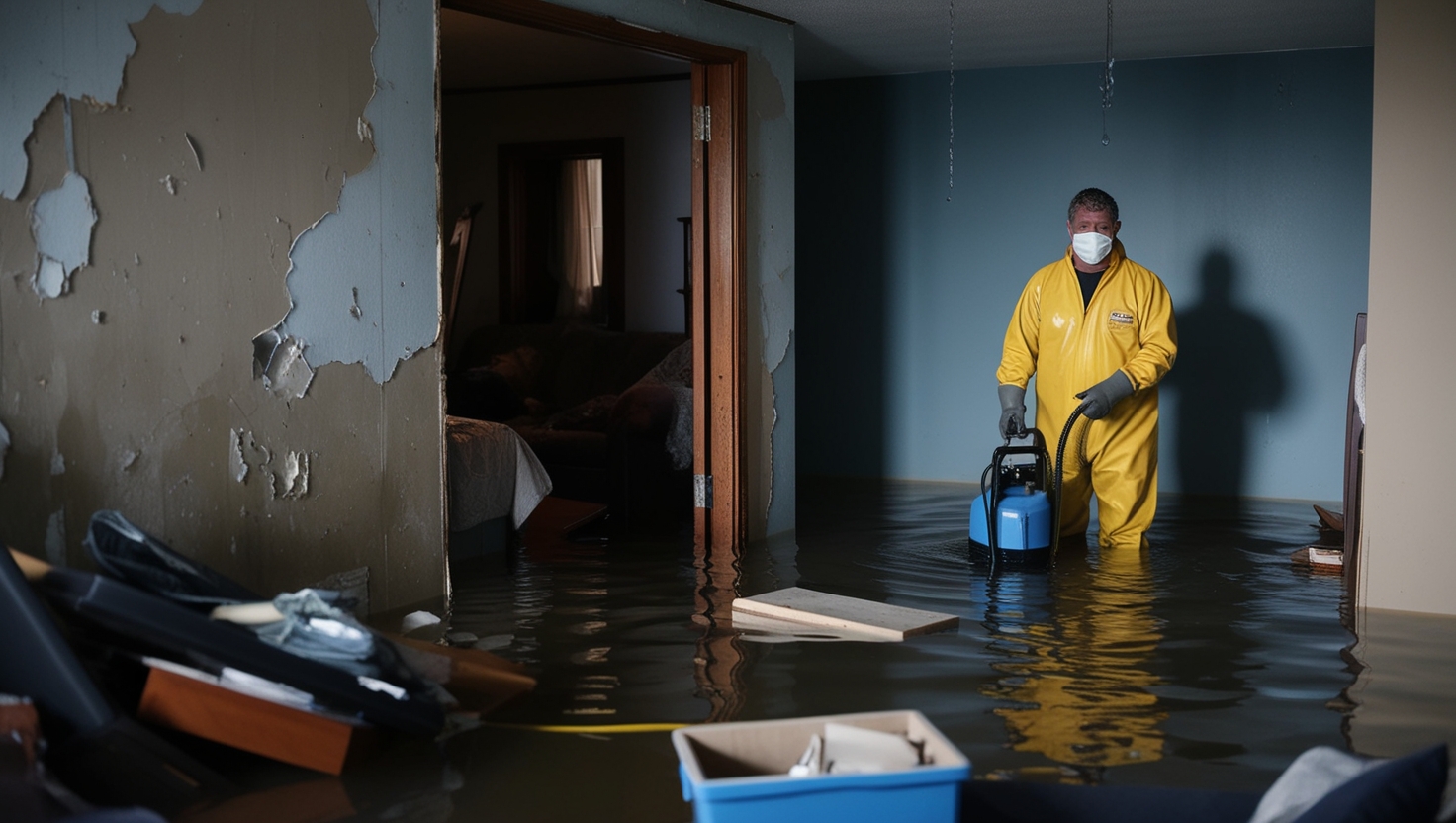
Does your floor feel uneven? Do doors no longer close right?
Sometimes, it starts with a small crack on the wall. Or your window frame starts to shift. Then, your tiles loosen. Your basement smells musty. You brush it off, thinking it's age. But the truth? Water has already started attacking your foundation.
In Lindon, floods don’t always look like knee-high water. Hidden leaks, heavy rain, or poor drainage can slowly eat away at your home’s bones.
And by the time you notice, repair costs can shoot up fast. If you're dealing with flood damage Lindon, here’s what to know before the damage buries your budget.
Foundation Damage Doesn't Start Big — It Starts Silently
The foundation of any building is meant to stay dry. Water doesn’t just sit and wait; it creeps, shifts, and seeps into cracks. In Lindon, flooding isn’t always dramatic. Sometimes, it’s slow groundwater rise. Sometimes, it’s from a broken pipe in winter. But over time, that moisture weakens the soil under your home. And once the soil shifts, your foundation shifts with it.
The early signs are often ignored: small wall cracks, sticky doors, sloping floors. Many people blame age or weather, not water. But if flood damage Lindon is the source, ignoring it will make things worse. Concrete starts to break. Mold grows where you can't see. Structural beams can twist. This is not just about looks but safety and long-term cost.
You don’t need to wait until your floor sinks. If there’s been a leak or flood recently, even a small one, get an inspection. It’s cheaper to check now than rebuild later.
Floodwater is Not Just Water—It’s a Loaded Threat
It’s not only water that harms your home. It’s what the water carries. Dirty floodwater brings bacteria, sewage, soil, and chemicals. These materials seep deep into wood, drywall, and concrete. Drying only the surface won’t fix it. The real damage hides behind walls and under flooring.
In flood damage Lindon cases, untreated areas develop secondary issues—rot, mold, rust, and even termites. Once the wooden beams start to absorb water, they weaken fast. That affects not just your walls, but your entire support structure. Rust forms around metal plumbing. Floor supports warp. These things stack up quickly and lead to structural instability.
This is why professional restoration matters. It’s not just about drying the space—it’s about checking the health of the structure. You don’t see mold until it becomes a problem. By then, air quality drops, repairs cost more, and insurance might not even cover delayed damage.
What You Should Do Immediately After Water Damage
After spotting water or flooding, don’t wait. These are urgent actions that save time and money:
- Cut off the water supply. Every second matters. Prevent more water from leaking.
- Shut power in affected rooms. Avoid electric shocks or damage to devices.
- Take photos and videos. Your insurance will need proof. Don't throw things yet.
- Call for a full inspection. It’s not about surface drying. Check walls, floors, wiring.
- Ask about your foundation. Demand moisture checks around base walls and basement.
Even if you think the flood wasn’t big enough to harm your foundation, ask anyway. The smallest leak, left untreated, could cost thousands in a few months.
Delay Now, Pay Later
Many homeowners in Lindon wait. They hope the water dries on its own. They think using fans or mops will fix it. They want to avoid the cost. But delaying repair means risking your entire foundation. The moment water sits, the clock starts. Within hours, materials begin to change. Within days, the damage gets into your walls. A month later? You're looking at full reconstruction.
The cost of fixing flood damage Lindon early is nothing compared to replacing a cracked foundation. Also, some insurance policies reject claims if the damage could’ve been prevented with timely action. Don’t wait for the next heavy rain to find out.
Final Thoughts
Floods are not always dramatic events. In Lindon, water damage often comes in slow, quiet waves—leaking pipes, unnoticed seepage, or spring runoff. And without warning, your home’s foundation begins to fail.
By acting fast, choosing proper inspections, and getting expert restoration, you avoid major repair costs later. Waiting won’t make the damage go away. It only makes it harder to fix.
If your home has seen water recently, don’t assume it’s fine. Check early. Fix fast. And stay safe before the ground beneath your feet starts to shift. Protecting your foundation protects everything above it.