

Burnout gets blamed for everything.
Tired? Burnout.
Irritated? Burnout.
Daydreaming about quitting mid-meeting? Definitely burnout.
But here’s the uncomfortable question:
What if you’re not burned out…
What if you’re just underpaid?
There’s a difference.
Burnout is exhaustion from sustained stress.
Underpayment is exhaustion from sustained undervaluation.
They feel similar.
They are not the same.
Let’s break it down.
Signs You Might Be Underpaid (Not Just Burned Out)
1. Your Responsibilities Quietly Expanded
You were hired for one role. Now you’re doing your job plus several additional tasks “temporarily.”
But it’s been months.
More responsibility without increased compensation is not growth. It’s unpaid expansion.
2. You’re the Go-To Person
Everyone asks you how to solve problems. You train new hires. You fix everyone’s mistakes.
Institutional knowledge has value.
Leadership has value.
If your paycheck hasn’t reflected that, take note.
3. New Hires Earn More Than You
Market rates change. Companies adjust offers to attract new talent.
If your salary stayed the same while the market moved, you may be earning yesterday’s wage for today’s expectations.
4. Your Performance Reviews Are Strong
If your feedback is consistently positive but your compensation hasn’t moved, that’s a misalignment.
Praise without pay does not reduce stress.
5. Resentment Is Growing
This one matters.
If you’re mentally checking out, feeling cynical, or fantasizing about quitting during presentations, that may not be “burnout.”
It may be frustration from feeling undervalued.
Resentment is red flag.
What To Do Before You Ask for More
Document everything:
- Expanded responsibilities
- Revenue impact
- Projects completed
- Measurable results
- Skills developed
Facts create leverage.
Emotions create friction.
Go in prepared.
What If They Say No?
First, breathe.
A “no” isn’t the end of the world. It’s just information.
Now you decide what to do with it.
Ask Why
Is it budget? Timing? Performance? Policy?
If they can’t give specifics or measurable benchmarks for when it could change, that tells you something.
Ask What Would Make It a Yes
What goals would justify a raise?
What timeline?
What metrics?
If they can outline a path, you now have strategy.
If they can’t, you now have clarity.
Stop Over-Delivering for Free
If compensation is capped, your effort should match your pay.
Do your job well.
But stop donating executive-level output at entry-level rates.
Energy is currency.
Quietly Explore Other Options
Update your resume.
Reconnect with contacts.
Research market rates.
The largest raises often happen when people change companies. It isn’t dramatic. It’s economics.
Protect Your Mental Energy
If you’re staying for now, shift into sustainability mode.
Take your breaks.
Use your PTO.
Leave on time.
You can care about your work without sacrificing your wellbeing.
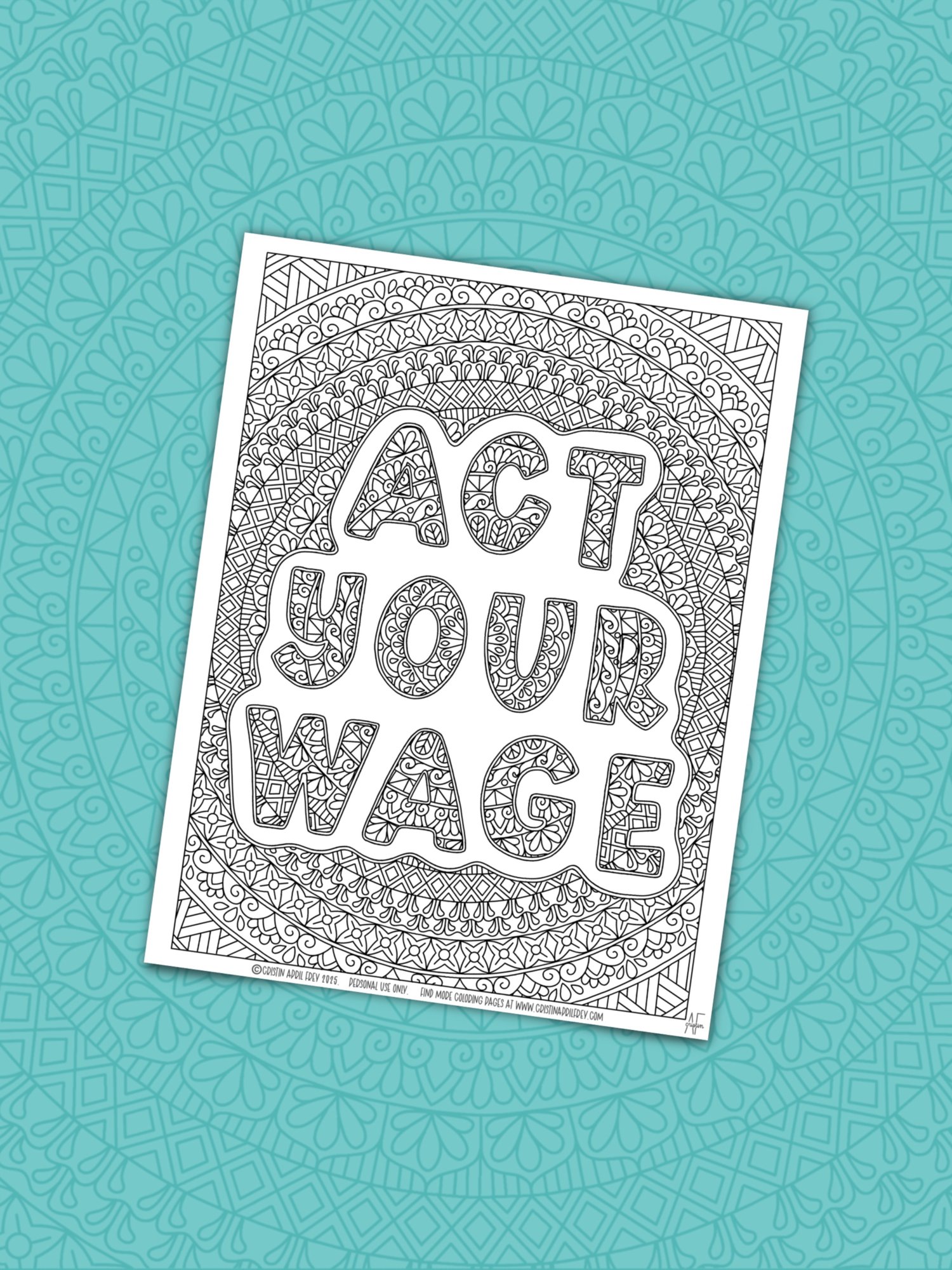
And if you need a low-stakes way to vent without sending an email you regret, I created a free work-themed coloring page you can download here:
Sometimes calming your nervous system comes before making your next strategic move.
If you want the full 10-page Workday Relief coloring pack, you can find it here:
[Get the Complete Coloring Pack]

Because sometimes the most rebellious thing you can do is act your wage and protect your peace.
You are not entitled for wanting fair compensation.
You are not dramatic for wanting to feel valued.
Sometimes you’re not burned out.
You’re just underpaid.
Disclaimer
This content is for informational and educational purposes only and does not constitute financial, legal, medical, or career advice. Every workplace situation is unique. Consider consulting with a qualified professional before making employment or financial decisions.