Color Psychology in Design: Creating the Right Mood
Jameel Ahmed
Introduction:
Colors play a significant role in interior design, as they can influence our emotions and perceptions. Here's how you can use color psychology to create the right mood in your home:
Understanding Color Meanings
Different colors evoke different emotions. For example, blue is calming and often used in bedrooms, while yellow is energizing and suitable for kitchens or dining areas.
Choosing the Right Colors
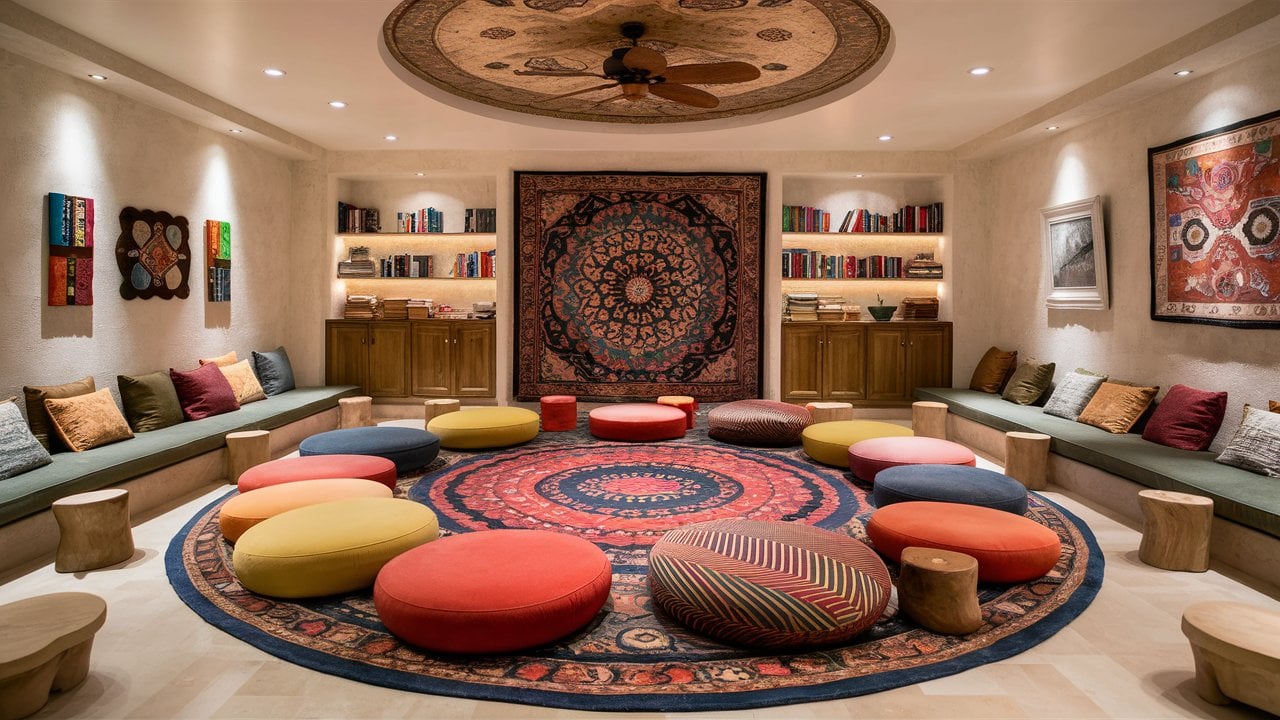
Consider the mood you want to create in each room and choose colors accordingly. Soft blues and greens are ideal for creating a tranquil atmosphere, while bold reds and oranges can add a sense of warmth and energy.
Using Color Combinations
Mixing and matching colors can create visual interest and depth. Use complementary colors (opposites on the color wheel) for a vibrant look or analogous colors (next to each other on the color wheel) for a more harmonious feel.
Considering Light and Space
Keep in mind the amount of natural light and the size of the room when choosing colors. Dark colors can make a small room feel smaller, while light colors can help open up a space.
Testing Before Committing
Before painting an entire room, test out different colors on a small area to see how they look in different lighting conditions.
By understanding the psychology of color and how it can impact your space, you can create a home that not only looks beautiful but also feels just right.
By using this website, you agree to our use of cookies. We use cookies to provide necessary site functionality and provide you with a great experience.
Post A Comment
Flag Comment
Are you sure you'd like to flag this comment as inappropriate?
This comment has been reported - thank you
Thank you for commenting
Your comment is awaiting moderation, and will be published as soon as it has been approved
Delete Comment
You're logged in as the blog owner. Would you like to delete this comment?
This comment has been deleted
Thank you!
Your message has been successfully sent
Thank you!
Your form has been submitted. Please check your email for a copy of your responses. If you're accepted, you'll receive an email with a link to checkout.
Could not add item to cart
Write a Review
After purchase you are sent an email receipt which includes your download page link. Please visit that download page to submit a review for this product.


Comments ()