
Weight loss stories usually start the same way. A new year begins, someone buys a pair of running shoes, maybe downloads a calorie-tracking app, and promises themselves that this time things will finally change. Sometimes it works for a while. The scale drops a few kilos, energy feels better, clothes fit differently.
Then life happens.
Work deadlines pile up, routines slip, and slowly the weight returns. For people dealing with severe obesity, this cycle can repeat for years. Diet plans, gym memberships, herbal drinks, personal trainers—each one offering hope, and sometimes disappointment too.
Eventually, after enough frustration, the conversation shifts from “How do I lose weight?” to something deeper: “Is there a medical solution that could actually help me reset my health?”
That’s usually when bariatric surgery enters the picture. And despite all the myths floating around, it’s rarely a decision made lightly.
When Weight Loss Becomes a Health Decision
For many patients, the motivation to explore surgery doesn’t begin with appearance. It starts with health warnings.
Doctors often see patients whose weight has begun affecting their daily life—persistent fatigue, difficulty sleeping, joint pain, high blood pressure, or uncontrolled diabetes. In those cases, obesity stops being a cosmetic concern and becomes a medical condition that needs structured treatment.
Bariatric surgery is generally considered for people with a body mass index above 40, or above 35 when serious health issues are already present. But reaching that stage usually follows years of trying conventional approaches first.
Most hospitals require a detailed evaluation before recommending surgery. Doctors review medical history, eating patterns, psychological readiness, and overall lifestyle habits. The goal isn’t to rush someone into surgery—it’s to make sure they understand the commitment involved afterward.
Because surgery alone doesn’t magically change everything.
What Bariatric Surgery Actually Changes
People often imagine bariatric surgery as something dramatic or extreme. In reality, modern procedures are surprisingly refined and focused.
The most common surgeries work by altering the stomach and digestive system so that patients feel full earlier or absorb fewer calories. Sleeve gastrectomy, for example, reduces the stomach’s size significantly, while gastric bypass changes the route food takes through the digestive tract.
Beyond weight loss, the medical benefits can be impressive. Many patients experience improvements in type 2 diabetes, blood pressure, and sleep apnea within months. Some even reduce their dependence on medications as their health stabilizes.
Medical centers across India have become increasingly experienced in performing these procedures. In particular, Bariatric Surgery in Bangalore. . has gained strong recognition because the city offers highly trained surgeons and hospitals equipped with advanced laparoscopic technology.
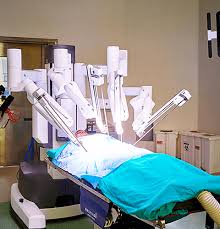
Laparoscopic surgery uses small incisions and specialized instruments, which means less trauma to the body and typically quicker recovery times compared with older surgical techniques.
Still, the surgery itself is only part of the story.
The Lifestyle Shift That Comes After
Patients who undergo bariatric surgery quickly discover that the real journey begins after leaving the hospital.
The stomach’s capacity becomes much smaller, which naturally limits how much food can be eaten at once. Meals that once filled a large plate might now be reduced to a few spoonfuls. Eating slowly becomes essential, and certain foods may feel heavier than before.
At first, these changes can feel unusual. But most patients adapt surprisingly well.
The body adjusts. Hunger cues change. Many people notice they feel satisfied much sooner than they used to. Over time, healthier eating patterns become less of a struggle and more of a natural routine.
Exercise is also gradually introduced. It usually begins with light walking and builds into more regular physical activity as weight decreases and energy improves.
And then there’s the emotional side of the process. Rapid physical changes can affect confidence and self-perception. Some people feel a surge of motivation and positivity, while others need time to adjust to their new lifestyle.
That’s why many hospitals include nutrition counseling and psychological support as part of their bariatric programs.
Why Bangalore Has Become a Major Treatment Hub
Bangalore has long been known as India’s technology capital, but its healthcare sector has quietly developed a strong reputation as well.
Over the past two decades, several world-class hospitals and surgical centers have opened in the city. These institutions attract experienced surgeons and specialists from across the country and abroad.
One of the key advantages patients find in Bangalore is the collaborative approach to treatment. Bariatric programs often involve teams that include surgeons, dietitians, endocrinologists, and psychologists working together.
That kind of multidisciplinary care is valuable because obesity is rarely caused by a single factor. Addressing nutrition, metabolism, and behavior simultaneously gives patients a better chance of long-term success.
Another factor is technology. Many hospitals in Bangalore use advanced minimally invasive surgical systems that improve precision and shorten recovery periods.
For patients traveling from other regions, the city’s connectivity and healthcare infrastructure make treatment logistics easier as well.
The Question Everyone Eventually Asks: Cost
No matter how motivated someone feels about improving their health, financial planning still plays a role in the decision.
Surgery involves hospital care, specialist consultations, diagnostic tests, and post-operative monitoring. Naturally, patients want to understand the overall cost before committing to the process.
When researching Bariatric Surgery Cost in Bangalore, people typically discover that pricing varies widely depending on the hospital and procedure type. On average, costs usually range from around ₹2.5 lakh to ₹6 lakh.
Factors influencing the price include the surgeon’s experience, the technology used during surgery, the length of hospital stay, and the level of post-operative care provided.
Some hospitals offer package pricing that includes consultations, tests, surgery, and follow-ups. Others list these components separately, which can make comparing options slightly confusing.
Insurance coverage has improved in recent years as well. A growing number of insurance providers in India recognize bariatric surgery as a medically necessary treatment for severe obesity, though eligibility requirements differ between policies.
Because of this, many patients spend time speaking with both hospitals and insurance representatives before making a final decision.
Choosing the Right Surgeon Matters
If there’s one consistent piece of advice from people who have undergone bariatric surgery, it’s this: take your time choosing the surgeon.
Experience, credentials, and hospital reputation are all important. But communication is equally valuable.
A good surgeon will take time to discuss risks, explain the recovery process, and set realistic expectations about weight loss and lifestyle changes. They’ll also emphasize the importance of follow-up care, which plays a major role in long-term success.
Patients should feel comfortable asking questions and understanding every step of the process before moving forward.
More Than Just a Procedure
Bariatric surgery is sometimes described as a tool rather than a cure. That description makes sense.
The surgery changes how the body processes food, giving patients a powerful advantage in managing their weight. But lasting success still depends on daily choices—balanced meals, physical activity, and ongoing medical guidance.