
There’s a funny moment that happens in most homes—usually after the furniture is in place, the boxes are mostly gone, and life has settled into a rhythm. You look around and think, something’s still missing.
Not in a dramatic way. Just a quiet sense that the space hasn’t fully landed yet.
More often than not, it’s the walls.
Bare walls have this temporary feeling, like the room is still waiting for its story to begin. And once you start adding things—photos, artwork, mirrors—you realize pretty quickly that it’s not just about filling space. It’s about getting it right.
Or at least, close enough that it feels natural.
The Slow Process Nobody Talks About
Hanging things on walls sounds like one of those simple weekend tasks. You tell yourself you’ll knock it out in an hour or two. Maybe put on some music, make a coffee, get it done.
But then reality creeps in.
You hold a frame up, step back, tilt your head. Move it slightly to the left. Step back again. Now it feels too high. Or maybe too centered. Or maybe… not right at all.
So you put it down. “I’ll come back to it later,” you think.
And later turns into days.
It’s not about effort—it’s about uncertainty. Once it’s up, it feels permanent. Even though you can redo it, nobody really wants to patch up walls more than necessary.
Why Placement Is Trickier Than It Looks
There’s a bit of a myth that you just hang things at eye level and call it a day. If only it were that simple.
Eye level depends on the room, for starters. A hallway isn’t the same as a living room. A piece above a couch plays by different rules than one on an empty wall. Then there’s scale—small frames get swallowed by big walls, while oversized pieces can overwhelm a tight space.
And spacing… that’s where people tend to second-guess themselves the most.
Too close together, and everything feels cramped. Too far apart, and the connection between pieces disappears. You end up with this awkward visual gap that you can’t quite ignore.
This is usually the point where people start considering Picture Hanging Services Melbourne —not because they can’t manage a hammer and nail, but because the decisions themselves are the hard part.
The Quiet Confidence of Getting It Right
There’s something almost invisible about a well-hung picture.
You don’t walk into a room and immediately say, “Wow, that frame is perfectly aligned.” But you feel it. The room feels balanced. Calm, even.
It’s a bit like good background music. You don’t focus on it, but it changes the whole atmosphere.
Professionals tend to work with that kind of awareness. They’re not just measuring—they’re reading the room. Noticing how your eye travels, where the natural focal points are, how different elements interact.
And sometimes, the adjustment needed is surprisingly small. A few centimeters higher. A slight shift to the right. Tiny changes that make a noticeable difference.
Mirrors: More Than Just Practical Pieces
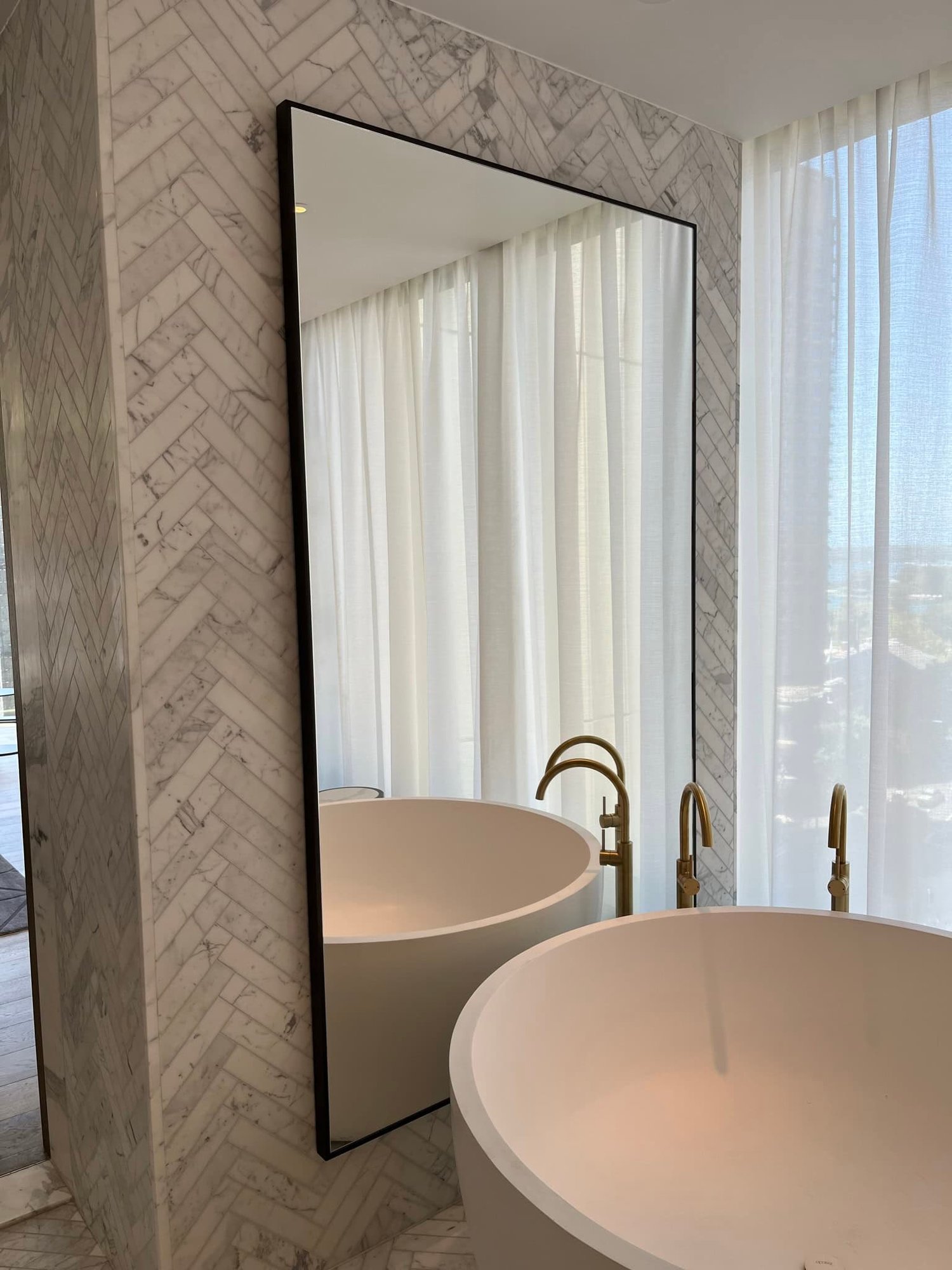
If pictures add personality, mirrors reshape the room itself.
They bring in light, create a sense of space, and sometimes even act like a second window—especially in smaller or darker areas. But for something that seems so straightforward, mirrors can be surprisingly tricky to place.
Put one in the wrong spot, and it reflects clutter instead of light. Hang it too high, and it loses its usefulness. Too low, and it feels awkward—like it’s not quite where it belongs.
And then there’s the practical side. Mirrors are heavier, more delicate, and a bit less forgiving if something goes wrong.
That’s where Mirror Hanging Services Melbourne come into play. It’s not just about making sure the mirror stays on the wall (though that’s obviously important). It’s about placing it where it actually enhances the room—where it works with the space, not against it.
The DIY Satisfaction… and Its Limits
There’s definitely a sense of pride that comes from doing things yourself. Hanging your own frames, stepping back, adjusting them—it can feel like a small but meaningful accomplishment.
And for simple setups, it usually works out fine.
But the moment things get a bit more involved—multiple pieces, heavier items, tricky wall materials—it can turn into a drawn-out process. What should take an hour ends up taking an entire afternoon. Or longer.
And even then, you might not be completely satisfied.
That’s not a failure. It’s just the point where you realize some things are easier when you’ve done them a hundred times before.
Letting the Space Evolve
One thing that helps—though it’s easier said than done—is accepting that your walls don’t have to be perfect right away.
Spaces evolve. You add a piece here, move something there, swap things around as your taste changes. What works today might feel different a year from now, and that’s part of the process.
Some of the most interesting homes aren’t the ones that look perfectly styled from day one. They’re the ones that grow naturally over time.
Still, even in that kind of relaxed approach, there’s value in getting the basics right. Good placement, thoughtful spacing—it gives your space a kind of foundation to build on.
A Small Detail That Changes Everything
It’s easy to overlook how much walls contribute to the overall feel of a home. They’re just… there. Quiet, static, waiting.