
When someone hears the words “prostate cancer,” the mind tends to race ahead. Questions appear almost instantly — what stage is it, what treatment should I consider, how long will recovery take, will life feel normal again? These are not small worries, and they rarely come with quick answers.
But medicine has changed quite a bit over the last decade. Treatments that once required large incisions and lengthy hospital stays are slowly giving way to more refined techniques. One of the most significant developments has been robotic-assisted surgery. It’s no longer a futuristic concept whispered about in research labs; it’s happening every day in operating rooms around the world.
And increasingly, patients are looking toward robotic surgery for prostate cancer in india as a viable and sometimes surprisingly accessible option.
It’s an interesting shift — one driven not only by technology but also by the growing experience of surgeons and the expanding capabilities of hospitals across the country.
The Technology Sounds Futuristic, But the Concept Is Simple
Let’s clear up something right away: robotic surgery doesn’t mean a robot performs the operation by itself. That image tends to make people uneasy, and understandably so.
In reality, the surgeon remains fully in control at all times.
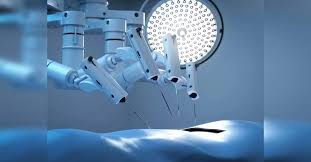
During robotic prostate surgery, the doctor sits at a console located a few feet from the patient. Using hand controls and foot pedals, the surgeon directs robotic arms equipped with very small surgical instruments. A powerful camera provides a high-definition, three-dimensional view of the surgical field.
This setup allows movements that are incredibly precise — even more refined than what human hands alone can typically achieve.
Why does that matter?
Because the prostate gland sits in a rather crowded neighborhood inside the body. It’s surrounded by nerves and tissues responsible for bladder control and sexual function. Even tiny surgical movements can affect these structures, so accuracy becomes extremely important.
Robotic systems allow surgeons to operate through several small openings instead of one large incision. For patients, that often means less trauma to the body during surgery.
And in many cases, recovery feels noticeably smoother.
Why Many Patients Consider Robotic Surgery
Traditional prostate surgery has been effective for decades, but it typically required a larger incision and a longer healing process. Patients sometimes needed several weeks before feeling comfortable returning to daily activities.
Robotic-assisted surgery changed that dynamic in many ways.
Because the procedure uses small keyhole incisions, patients often experience:
- Less blood loss during surgery
- Smaller surgical scars
- Shorter hospital stays
- Reduced postoperative discomfort
- Faster return to routine activities
None of these benefits are guaranteed — every patient’s situation is different — but the minimally invasive approach has made the experience easier for many men undergoing prostate cancer treatment.
And as surgeons gain more experience with robotic techniques, the outcomes continue to improve.
India’s Growing Reputation in Advanced Surgical Care
In recent years, India has steadily built a reputation for providing advanced medical treatments at relatively affordable costs. Large hospitals across cities such as Delhi, Mumbai, Chennai, and Bengaluru have invested heavily in robotic surgical systems.
But technology alone doesn’t define a successful healthcare system. Skilled doctors do.
Many Indian urologists have trained internationally or completed specialized fellowships in robotic surgery. As they perform more procedures, their familiarity with the technology deepens, which often leads to better surgical precision and improved patient outcomes.
For international patients, another factor often comes into play — cost.
In some Western countries, robotic prostate surgery can be extremely expensive. In India, the same procedure is often offered at a fraction of that cost, while still being performed in modern facilities with experienced medical teams.
This combination of expertise, infrastructure, and affordability has made the country an increasingly popular destination for advanced cancer care.
What the Surgical Process Usually Looks Like
Although every case is unique, the path toward robotic prostate surgery generally follows a similar sequence.
First comes careful evaluation. Doctors review PSA levels, biopsy reports, MRI scans, and sometimes additional imaging to determine the stage and aggressiveness of the cancer. These details help the medical team decide whether surgery is the most appropriate treatment option.
If surgery is recommended, the robotic prostatectomy typically lasts between two and three hours.
During the procedure, the surgeon removes the prostate gland and works carefully around the surrounding nerves. Whenever possible, nerve-sparing techniques are used to preserve important bodily functions.
After surgery, most patients stay in the hospital for one or two days. A temporary urinary catheter is usually placed to assist with healing. While it may feel inconvenient, it’s typically removed within about a week.
Many patients are surprised at how quickly they’re able to move around again. Light activity often resumes within a couple of weeks, though full recovery takes a bit longer.
Experience Still Matters More Than the Robot
It’s easy to assume that advanced technology guarantees perfect results. But surgeons themselves will often say something slightly different.
The machine helps — but experience matters even more.
Patients searching for the best robotic surgery for prostate cancer in india often spend time researching the surgeon’s background, training, and number of procedures performed. A doctor who has completed hundreds of robotic prostate surgeries typically develops a deeper understanding of the anatomy and the subtle techniques that lead to better outcomes.
It’s perfectly reasonable for patients to ask questions during consultations, such as:
How many robotic prostate surgeries have you performed?
What is your complication rate?
How often can nerve-sparing techniques be used?
What does recovery typically look like for your patients?
These conversations may feel uncomfortable at first, but they’re an important part of making informed decisions about treatment.
When Surgery May Not Be Necessary
Despite its advantages, robotic surgery isn’t the right solution for every prostate cancer case.