
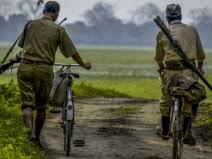
Not every dream job comes with air-conditioning and a corner office. Some arrive with muddy boots, early mornings, and the sound of birds cutting through the silence. Forest department jobs belong to that category—less talked about, often misunderstood, but deeply rooted in purpose. For years, they’ve drawn people who want something steady, yes, but also something that feels real in the hands, not just impressive on LinkedIn.
In many Indian households, the idea of a government job still carries weight. It’s not just about salary. It’s about respect, predictability, and a sense that your work actually matters beyond quarterly targets. When the conversation turns to forest department roles, there’s usually a pause. People imagine remote postings, long walks, maybe even danger. And they’re not entirely wrong. But they also miss the quieter rewards—the kind that don’t fit neatly into exam syllabi.
For a lot of aspirants, the first spark comes from hearing about sarkari naukri van vibhag opportunities through friends, relatives, or those ever-buzzing Telegram groups. Someone shares a notice. Someone else forwards a PDF. Suddenly, there’s a plan forming. It might start casually, but it grows serious fast. These jobs promise stability, sure, but they also offer something rare: a working relationship with the natural world.
The range of roles is wider than most people assume. Forest guards, foresters, clerical staff, technical assistants, wildlife trackers—the list goes on. Each comes with its own expectations and challenges. A forest guard might spend days patrolling boundaries, while a clerk handles records and permits. Different lives, same department. What ties them together is responsibility. You’re not just clocking in; you’re part of a system that protects land, animals, and often entire communities.
Preparation for these roles can be deceptively tough. On paper, the syllabus may look manageable—general knowledge, basic science, reasoning, maybe environmental studies. But the competition is real. Thousands apply. Hundreds prepare seriously. Only a fraction make it through. Physical tests add another layer. Long walks, endurance checks, sometimes height and chest measurements. It’s not something you can cram for in a week.
What often goes unspoken is how much patience the process demands. Notifications are delayed. Results take time. Documents get verified twice, sometimes three times. For candidates used to instant feedback, it can be frustrating. Yet, in a strange way, that waiting period filters people. Those who stay the course usually really want the job, not just the title.
The work itself isn’t romantic all the time. There are mosquitoes, heat, paperwork that never seems to end. There are days when you’re dealing with encroachment issues or explaining rules to villagers who are just trying to survive. It’s not black and white. That’s where emotional intelligence comes in. A good forest official learns when to enforce strictly and when to listen first.
Technology has slowly changed things too. GPS mapping, digital records, camera traps—it’s no longer all notebooks and binoculars. Younger recruits often adapt quickly, bringing new skills into an old system. That blend of tradition and technology gives the department a surprisingly modern edge, even if the buildings themselves still look like they’re from another decade.
For many applicants today, the process starts online. Forms, instructions, uploads—it’s all digital now. Searching how to van vibhag apply online has become a common step, especially for first-timers. The challenge isn’t just filling the form, but understanding the fine print. Age limits, domicile rules, physical standards—missing one detail can cost you the entire attempt. It’s tedious, but that’s part of the deal.
Families play a big role in these decisions. Parents often push for government jobs because they’ve seen instability elsewhere. They like the idea of pensions, fixed hours, and social respect. Candidates, meanwhile, balance that expectation with their own realities. Are they ready for transfers? For living away from cities? For a job that might place them miles away from familiar comforts? These questions don’t have easy answers.