
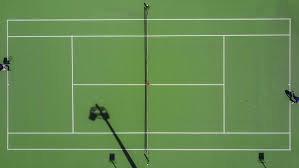
There’s something quietly magical about stepping onto a freshly built tennis court. The lines are sharp, the surface feels even under your shoes, and for a moment, you imagine the kind of rallies that will unfold there — long baseline exchanges at sunset, kids learning their first serves, maybe even a local tournament that brings the whole neighborhood together.
But what most people don’t realize is that a great court isn’t just about crisp white lines or a tight net. It’s about what’s underneath. It’s about choices — practical ones, aesthetic ones, long-term ones — that determine whether that court becomes a source of pride or a maintenance headache.
If you’re considering building or resurfacing a court, there’s more to think about than you might expect. And honestly, it’s better to know now than after the first crack appears.
It All Starts from the Ground Up
Before anyone talks about colors or cushioning, the foundation has to be right. A tennis court is only as strong as the base it sits on. Soil conditions, drainage patterns, and climate all play a role. In colder regions, freeze-thaw cycles can wreak havoc on poorly prepared sub-bases. In warmer, humid climates, moisture control becomes critical.
Skipping or rushing this stage is a mistake I’ve seen too many times. It might look fine for a year or two, but small imperfections eventually surface — literally. Hairline cracks widen. Low spots hold water. And suddenly that dream court feels… frustrating.
That’s why thoughtful planning during the early stages of tennis court flooring is essential. It’s not just about pouring concrete or laying asphalt. It’s about grading the site correctly, ensuring proper slope for drainage (usually about 1%), and choosing materials that suit your environment. A good contractor won’t just build the court — they’ll ask questions about usage, weather, and long-term goals.
Because a backyard court for casual weekend games has different needs than a high-traffic facility at a sports club. And those differences matter.
Choosing the Right Surface Isn’t Just About Looks
Let’s be honest: when most people imagine a tennis court, they picture that classic blue-and-green hard court. It’s iconic for a reason. But it’s not the only option, and it’s not always the best one for every situation.
Clay courts, for instance, offer a softer playing experience and are easier on joints. Grass courts are beautiful but notoriously demanding when it comes to upkeep. Synthetic surfaces have evolved dramatically in the past decade, offering a balance between performance and durability.
One of the most important decisions you’ll make is selecting the right tennis court construction . And this choice goes far beyond color schemes.
The surface affects ball speed, bounce consistency, and player comfort. It also determines how often you’ll need maintenance and resurfacing. Acrylic coatings over asphalt are popular for their durability and relatively low maintenance. Cushioned systems add shock absorption — a blessing for older players or facilities catering to frequent use. Modular tile systems can be installed more quickly and often allow for easier spot repairs.
There isn’t a universally “best” option. There’s only the right option for your context.
Drainage: The Unsung Hero
It’s not glamorous, but drainage might be the most important part of your court. A beautiful surface won’t stay beautiful if water lingers after every rainfall. Standing water leads to premature wear, discoloration, and structural damage.
Proper slope, subsurface drainage systems, and even the surrounding landscaping all play a part. Trees nearby may look picturesque, but falling leaves and invasive roots can create long-term issues. Planning for water runoff — where it flows, how quickly it drains — saves countless headaches down the road.
If you live somewhere that gets heavy seasonal rain, this is non-negotiable. Spend the extra time (and yes, budget) here. You’ll thank yourself later.
Maintenance: The Reality Check
Here’s the part people don’t always love to hear: every court requires maintenance. Even the most advanced materials aren’t “install and forget.”
Hard courts typically need cleaning to remove dirt, mold, and debris. They’ll require resurfacing every 4–8 years depending on usage and climate. Clay courts demand regular rolling, watering, and line upkeep. Grass courts? Well, they’re practically a full-time job.
That doesn’t mean building a court isn’t worth it. It absolutely can be. But going in with realistic expectations makes all the difference.
I’ve seen beautifully built courts fall into disrepair simply because no one budgeted for ongoing care. A small annual maintenance plan is far less costly than a full reconstruction five years later.
Budgeting Beyond the Basics
When pricing out a new court, it’s tempting to focus only on initial construction costs. But smart budgeting includes fencing, lighting, seating areas, and even landscaping. Lighting, in particular, can transform how often the court gets used. Evening matches under well-placed LED fixtures? That’s when some of the best memories happen.
Then there’s long-term cost efficiency. Higher-quality materials may carry a steeper upfront price tag, but they often pay off through reduced repairs and longer resurfacing cycles.
Think of it like buying a good pair of shoes. The cheapest option might get you through the season. The better one might last for years — and feel better every step of the way.
Personal Touches Make It Special
While performance and durability are key, don’t overlook personalization. Color combinations, custom logos, wind screens, and spectator areas can give a court real character.
For private homeowners, that might mean blending the court’s color palette with the surrounding architecture. For schools or clubs, incorporating branding can create a sense of pride and identity.
It’s subtle, but it matters. A court that feels intentional — not just functional — tends to get used more often.
Thinking Long-Term
If there’s one theme that runs through every successful tennis court project, it’s foresight. Building with the future in mind prevents regret later.
Ask yourself: Who will use this court five years from now? Ten? Will it need to accommodate tournaments? Youth training? Multi-sport use? Designing for flexibility can extend its usefulness significantly.
Technology is evolving too. New surface materials, improved coatings, and better lighting systems are constantly emerging. Working with experienced professionals who stay current with industry developments can give you access to options you might not have known existed.
The Final Word
A tennis court isn’t just a slab of asphalt with paint. It’s a space where habits are formed, skills are sharpened, and communities gather. It’s early morning practice sessions and late-night tie-breakers. It’s scraped knees, proud smiles, and the satisfying pop of a well-struck ball.