
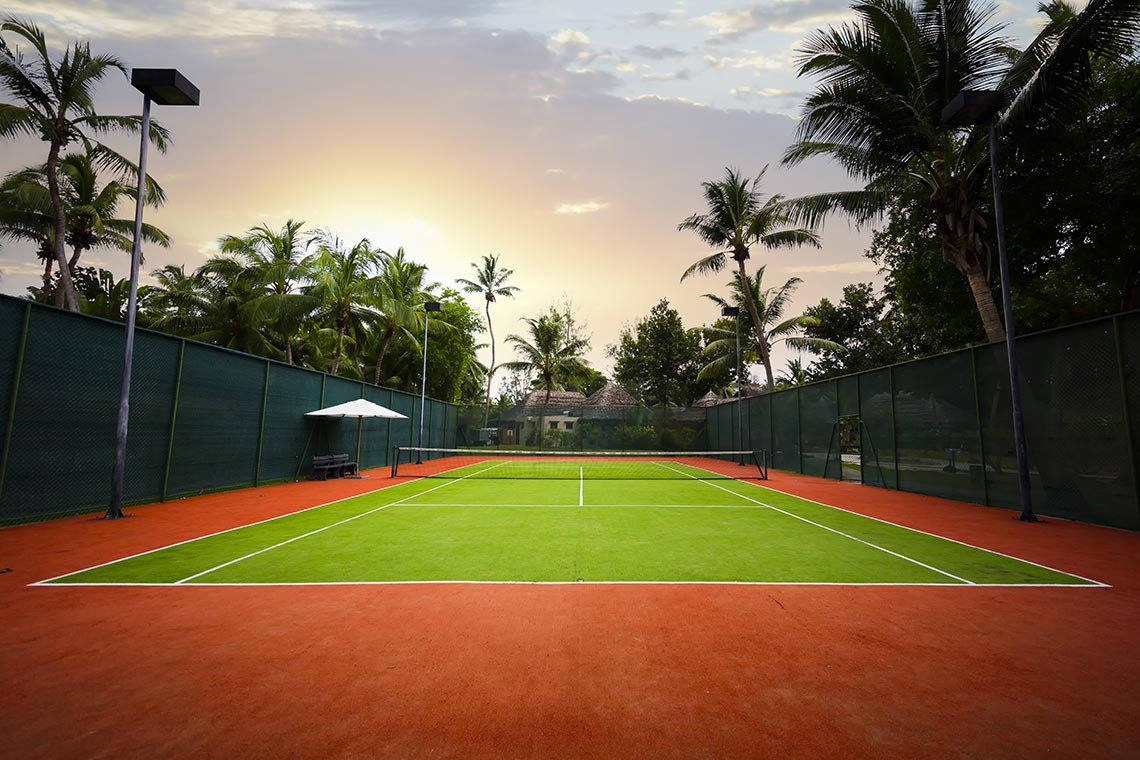
There’s something almost magical about a well-built tennis court. Maybe it’s the quiet satisfaction of that first perfect serve, or the soft crunch of shoes on the surface at sunrise. For anyone who loves tennis, the court is more than just a rectangle of asphalt or clay—it’s a small sanctuary, a place to practice, compete, and unwind. But creating a court that’s functional, durable, and enjoyable? That’s where the real challenge begins.
Building a tennis court isn’t a weekend DIY project. It’s an investment of time, money, and careful planning. From grading and drainage to surface selection and line painting, every detail affects the way the court feels and performs. And one of the first questions most people ask is: “What will it cost?” Understanding tennis court construction prices can help you plan realistically and avoid surprises along the way.
Understanding the Costs
When people think about the price of building a court, they often picture just the surface material. But costs go far beyond that. There’s the groundwork—grading the land, installing proper drainage, laying a stable base—which can vary depending on soil conditions and the slope of your property. Poorly prepared foundations often lead to cracks, uneven surfaces, and water pooling, which is exactly what you want to avoid.
Then there’s the surface itself. Options range from asphalt or concrete to clay, grass, or synthetic systems. Each has its pros, cons, and price points. Hard courts are popular because they’re durable and relatively low-maintenance. Clay courts are gentler on joints but require frequent rolling and watering. Grass is gorgeous but high-maintenance and weather-dependent. And synthetic surfaces, which often come in cushioned or modular options, balance playability with durability but tend to cost more upfront.
Beyond materials, there are additional costs for fencing, lighting, and seating. Even landscaping and wind screens contribute to the total budget. That’s why getting a realistic estimate for tennis court construction prices from experienced professionals is critical—cutting corners early can lead to expensive fixes later.
The Foundation: Where Durability Begins
Before you even think about paint or lines, the foundation has to be rock solid. Proper grading, compaction, and drainage are essential to prevent water from pooling or causing uneven surfaces. Even slight errors in slope can affect playability and longevity. Experienced builders often perform soil tests and recommend materials that suit your climate and intended usage. It’s one of those “behind the scenes” steps that you barely notice if done right—but you’ll notice immediately if it’s done poorly.
A strong foundation also supports whatever surface you choose, from traditional hard courts to synthetic systems. Skipping or rushing this stage might save money initially, but it usually ends up costing more in the long run.
Choosing the Right Surface
Once the foundation is ready, the surface takes center stage. Beyond aesthetics, the surface affects ball bounce, speed, and player comfort. Hard acrylic surfaces are popular because they provide consistent play and relatively low maintenance. Clay slows the ball down and encourages strategic play, while grass is fast and fun but temperamental.
Modern synthetic surfaces have grown in popularity because they offer cushioning, durability, and often modular designs for easier repairs. The key is to match the surface with how you plan to use the court, who will play, and how much maintenance you’re willing to commit to.
Painting the Lines
After the surface is installed, comes one of the most visually striking aspects: the lines. Properly applied tennis court paint does more than just mark boundaries—it defines the court, impacts visibility for players, and even affects how the ball reacts. Poor-quality paint can peel or fade, requiring frequent touch-ups, while high-quality paint ensures crisp lines that last for years.
Color choice matters too. Classic green and blue courts are common, but lighter or contrasting shades can improve visibility, especially for beginners or casual players. The paint also contributes to the overall aesthetic, helping your court feel like a polished, professional space rather than just a slab of concrete.
Drainage and Maintenance
Water is the hidden enemy of every court. Even a few puddles can compromise the surface, encourage mold, and make play unsafe. Proper slope, subsurface drainage, and sometimes even surrounding landscaping all contribute to keeping the court dry and playable.
Maintenance isn’t just about cleaning either. Hard courts need periodic resurfacing, clay courts require rolling and watering, and even synthetic surfaces need inspection for wear or damage. Planning for long-term upkeep ensures your court remains safe, playable, and enjoyable for years.
Lighting and Accessories
A court isn’t just about the surface. Fencing, lighting, seating, and wind screens all improve usability and enjoyment. Evening play is only possible with well-placed lights, while fencing keeps balls contained and provides a sense of privacy. Benches, shaded areas, and storage add convenience, especially if the court will be used frequently.
Even small accessories make a big difference. Subtle landscaping or a small water station can turn a functional court into a space people actually want to spend time on.
Budgeting Wisely
It’s tempting to fixate on surface costs alone, but true budgeting accounts for the foundation, paint, drainage, fencing, lighting, and ongoing maintenance. Investing in quality materials and skilled labor upfront might be pricier, but it prevents costly repairs and resurfacing in the future. Think of it like buying a high-quality pair of shoes—you pay more initially, but your knees are happier and the product lasts longer.
Personalizing Your Court
One of the joys of building your own court is making it unique. Color choices, logos, line designs, and surrounding landscaping can turn a functional area into a personal sanctuary. For homeowners, this might mean blending the court with a garden or patio. For schools or clubs, branding can create pride and identity. Even minor touches like wind screens, benches, or storage make a court more inviting and increase usage.
Planning for the Future
A well-built court considers long-term needs. Who will use it in five or ten years? Will it host tournaments, casual matches, or training sessions? Planning with foresight ensures your investment continues to pay off and avoids costly redesigns later. Experienced contractors can recommend materials and layouts that balance current desires with future requirements.
The Joy of Play
At the end of the day, all of this work—the foundation, surface, paint, drainage, and accessories—serves one purpose: to enjoy the game. A thoughtfully constructed court makes every rally feel smooth, every serve predictable, and every match enjoyable. It becomes more than just a playing surface; it becomes a space for memories, improvement, and connection.
Final Thoughts
Building a tennis court is a significant investment, but one that pays off in years of enjoyment, exercise, and community. Understanding tennis court construction prices, choosing the right surface, using quality tennis court paint, and planning for long-term maintenance ensures your court remains a source of pride and fun. With careful planning and attention to detail, your dream court becomes more than a patch of asphalt—it becomes a lasting sanctuary for tennis lovers of all ages.