
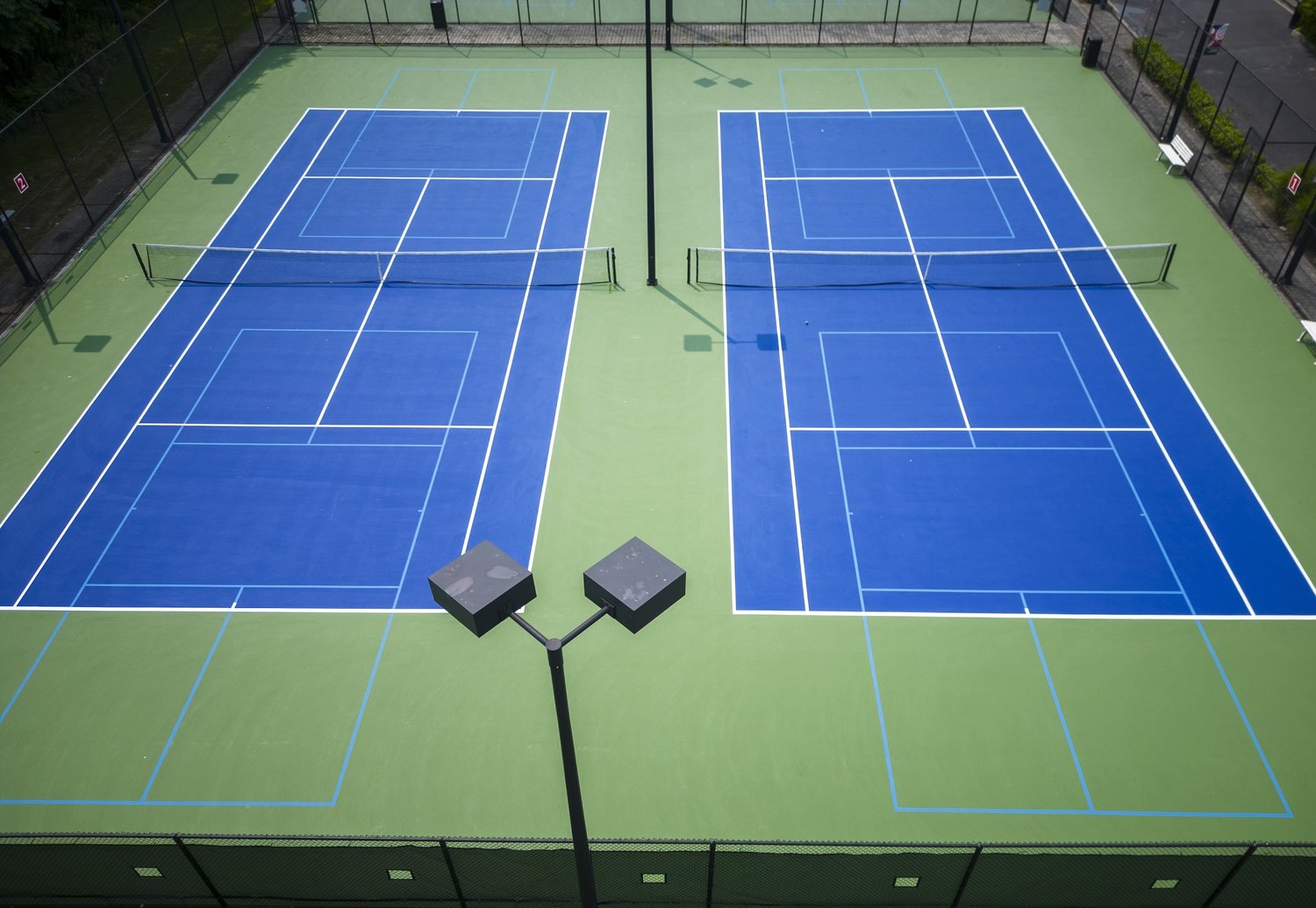
There’s a moment, right after a new tennis court is finished, when everything looks perfect. Lines are sharp. The surface is clean. There’s that faint, new-court smell — part paint, part promise. But anyone who’s been around the game long enough knows that first impressions don’t mean much. The real test comes later. After a few seasons. After a thousand serves. After rain, heat, neglect, love, and overuse have all had their turn.
That’s when you find out whether the court was truly built to last.
A lot of people assume courts are mostly about surfaces. Pick the right one, lay it down properly, and you’re done. But courts are more like ecosystems. Everything affects everything else. The base, the slope, the materials, the climate, and — maybe most importantly — the people who put it all together.
Good tennis court builders don’t just construct something that looks right; they create something that behaves right. That’s harder to define, but you know it when you feel it. The ball bounces cleanly. Your footing feels predictable. You’re not second-guessing every sprint or slide. You trust the ground, and that trust lets you focus on the game instead of your balance.
What separates a great builder from a merely competent one is patience. Rushing is the enemy of durability. Letting layers cure properly, preparing the base with care, accounting for drainage even when it complicates the plan — these steps don’t show up in glossy photos, but they show up years later when the court still plays true.
I once spoke with a school athletic director who admitted they chose a builder mainly because the timeline was fast. It worked, until it didn’t. Cracks appeared within two years, right along areas where water pooled after heavy rain. Repairs followed, then resurfacing. In hindsight, the “fast” option ended up costing more time and money than doing it carefully from the start.
Surface choice plays into this story, too. Over the years, one option has quietly become the standard for many facilities, clubs, and even private homes: synthetic acrylic flooring . Not because it’s flashy, but because it’s reliable. It offers consistency, customizable speed, and relatively straightforward maintenance when compared to more demanding surfaces like clay or grass.
But even here, details matter. Acrylic systems aren’t all the same. Cushion layers, texture, coating thickness — these small variations change how the court feels underfoot and how it ages. A well-installed acrylic surface can strike that sweet balance between responsiveness and comfort. A poorly installed one just feels… off. Too hard. Too slick. Too unforgiving on the joints.
Climate has a say in all of this, whether you like it or not. Courts built in hot, sunny regions need UV-resistant coatings that won’t fade or harden too quickly. Areas with heavy rainfall demand serious attention to slope and drainage. Cold climates introduce freeze-thaw cycles that can punish even minor construction shortcuts. The best courts respect their environment instead of fighting it.
There’s also a human rhythm to how courts are used. Some see constant play, morning to night, year-round. Others host a few friendly matches on weekends. Builders who ask about usage patterns aren’t being nosy — they’re protecting the court’s future. A surface designed for light recreational use won’t hold up under tournament-level traffic, no matter how good it looked at installation.
Maintenance is where intentions meet reality. Every court needs care, but some are more forgiving than others. Regular cleaning, occasional resurfacing, and early crack repair extend a court’s life dramatically. Skipping these steps doesn’t make problems disappear; it just postpones them until they’re louder and more expensive.
One thing that often gets overlooked is how emotionally attached people become to courts. It sounds strange, but it’s true. Courts are where kids learn to serve, where rivals become friends, where frustrations are worked out one rally at a time. When a court feels unsafe or unreliable, people stop trusting it. When it feels good, they return again and again, almost without thinking.