
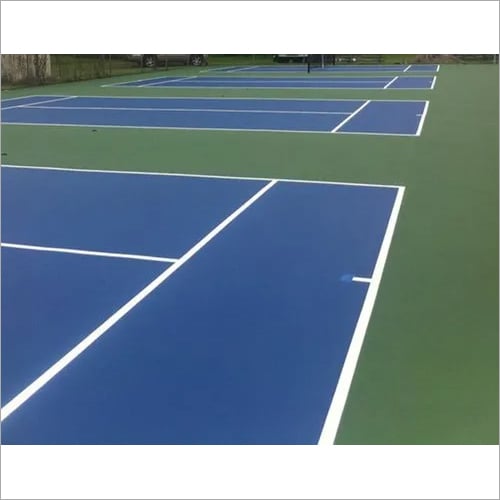
There’s something quietly addictive about tennis. It’s not just a sport—it’s a rhythm, a little dance between you, the ball, and the court. Even casual games feel elevated when the space itself is thoughtfully designed. But if you’ve ever imagined building your own court, you know it’s more complicated than just laying down a rectangle of concrete and strapping up a net. A tennis court is a living space, one that demands attention to detail, materials, and long-term durability.
Getting it right isn’t just about aesthetics. The right surface, layout, and construction make the difference between a court that invites play and one that feels frustrating from the first serve. That’s where experienced tennis court builders come in. These professionals don’t just pour asphalt—they plan, engineer, and craft a space that feels natural, safe, and fun, making sure that every bounce and sprint works as it should.
Why Professional Builders Matter
You might think a tennis court is just a flat rectangle with lines. But anyone who’s played on a poorly built court knows the difference instantly. Uneven surfaces, poor drainage, and substandard materials can turn a promising afternoon match into a lesson in frustration. Skilled builders have a deep understanding of soil preparation, grading, drainage, and surface application. They can foresee issues that most DIY projects never anticipate—like how subtle slopes affect water runoff or how different climates impact surface wear.
A good team of tennis court builders will also advise on orientation. North-south alignment minimizes the sun’s glare, while thoughtful fencing, lighting, and landscaping improve both aesthetics and functionality. It’s this combination of planning and execution that turns a simple idea into a playable, long-lasting space.
Choosing the Right Surface
After deciding on layout and location, surface selection is perhaps the most critical factor. The playing experience depends heavily on it. Clay, grass, hard court, and synthetic surfaces each have unique characteristics. Hard courts are fast, durable, and low maintenance, but they can be tough on joints. Clay courts slow down the ball and cushion impact, but they need near-daily upkeep. Grass is elegant and traditional, though weather-sensitive and high maintenance.
Synthetic options, particularly synthetic acrylic flooring , have become increasingly popular for private and public courts. These surfaces combine durability with consistent ball bounce and minimal upkeep. They’re also more forgiving on the joints compared to hard asphalt, providing a balance between performance and player comfort. Modern acrylic coatings come in various textures and colors, allowing customization while keeping maintenance straightforward.
Planning the Layout
Even the best materials can fail if the court’s placement and layout aren’t carefully considered. Orientation affects not only sun glare but also wind patterns, which subtly influence ball trajectory. Nearby trees or structures can provide shade, but they can also drop leaves or interfere with drainage. Slightly sloped surfaces help prevent puddles and water damage. Fencing, nets, and lighting all need to be positioned thoughtfully to enhance safety, visibility, and playability.
Beyond practicality, the court should feel inviting. A well-considered outdoor space becomes more than a playing area—it’s a place for social gatherings, practice, and even quiet reflection between games. Good tennis court builders understand this. They balance technical precision with aesthetic appeal, creating a space that’s functional and welcoming.
Materials Matter
The quality of materials used in construction will determine how long the court lasts and how it feels to play on. From the base layers to the surface coating, every component matters. Using high-grade sub-base materials ensures stability, proper drainage, and resistance to cracking. Meanwhile, surface coatings influence traction, bounce consistency, and joint comfort.
A professional supplier or manufacturer of synthetic acrylic flooring ensures that courts receive a durable and reliable surface layer. Acrylic coatings are UV-resistant, weather-proof, and provide a uniform playing experience. The best products also allow for slight cushioning, which reduces stress on players’ knees and ankles. Selecting the right flooring can make the difference between a court that’s playable for years and one that starts to crack, fade, or wear unevenly within a few seasons.
Construction Challenges
Even with top-quality materials and expert builders, constructing a tennis court comes with challenges. Subtle errors in grading or compaction can affect water drainage and surface levelness. Inadequate curing of materials can lead to cracks or uneven bounce. That’s why construction is never just about speed—it’s about patience and precision.
Weather can also play a role. Outdoor courts are exposed to sun, rain, wind, and freezing temperatures. Proper planning, including site orientation and drainage systems, helps minimize the impact of seasonal changes. A successful project accounts for these variables long before the first layer of surface coating is applied.
Maintenance and Longevity
Once construction is complete, ongoing care determines how well the court performs over time. Acrylic courts generally need periodic cleaning and minor surface touch-ups, while clay courts require rolling, watering, and line maintenance. Hard courts benefit from occasional resurfacing, especially if they see heavy play.