
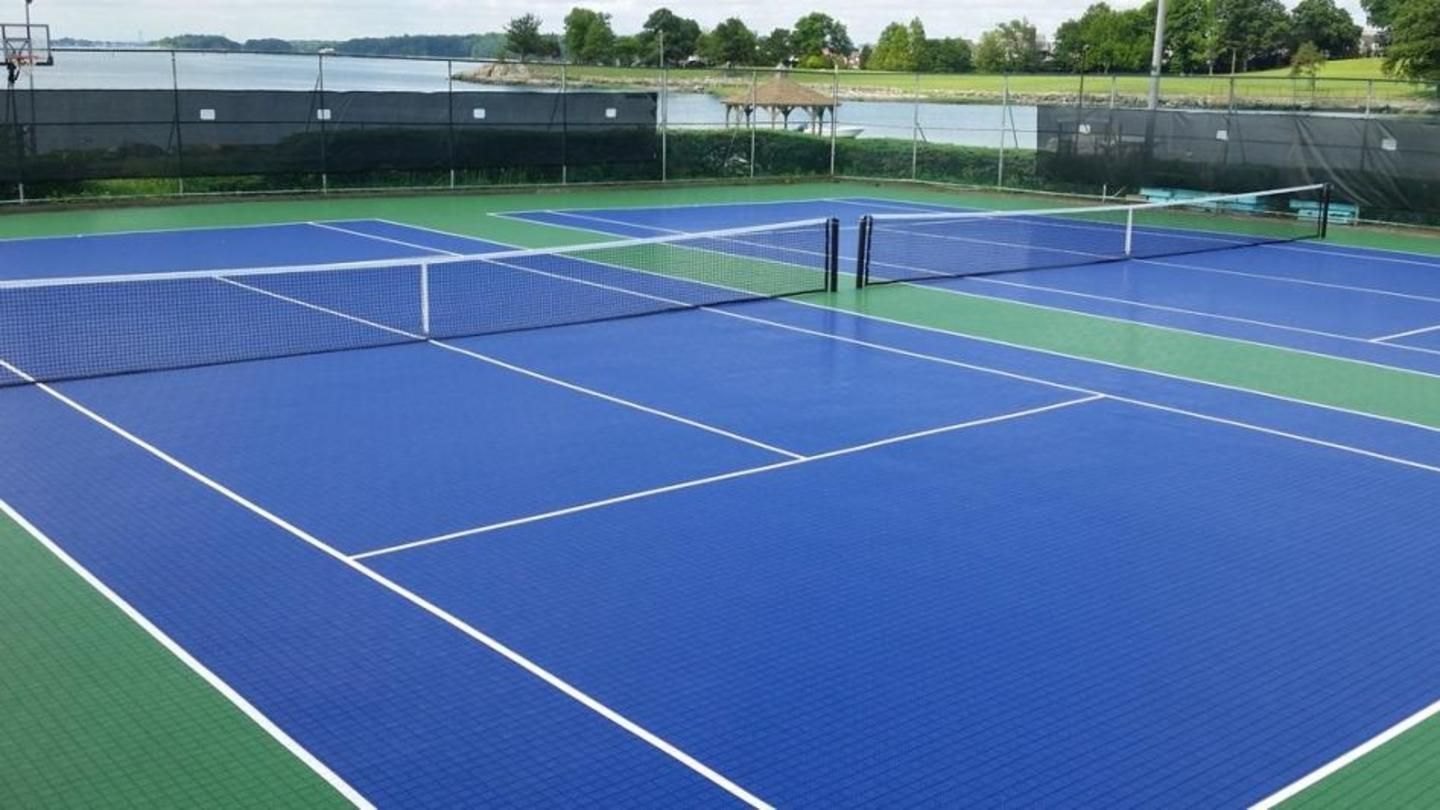
There’s something quietly mesmerizing about a tennis court. It’s more than lines on asphalt or clay—there’s a rhythm to the space, the bounce of the ball, and the tiny cloud of dust that rises when you sprint. Anyone who’s ever played knows that a well-built court can elevate the experience, while a poorly designed one can make even the most casual rally feel frustrating. For those dreaming of their own space to play or practice, understanding the journey from idea to playable court is key.
It’s not just about aesthetics or having somewhere to swing a racket. The right court involves careful planning, the right materials, and expert execution. And that’s where a trusted tennis court construction company comes in. Professionals take what seems like a simple rectangle and transform it into a space that’s functional, durable, and even a little magical
The Role of a Construction Company
You might think, “I can just lay down asphalt or concrete, paint the lines, and call it a day.” But in reality, building a quality tennis court is far more nuanced. Proper grading, drainage, sub-base layering, and surface coating are all critical for long-term performance. A seasoned tennis court construction company doesn’t just provide labor—they bring expertise in design, local climate considerations, and materials science to the project.
For example, a backyard court might look fine initially but could quickly develop puddles or uneven spots if the ground isn’t properly prepared. Professionals know how to prevent these issues, ensuring that every serve and volley feels consistent. They also handle the small but vital details: fencing, lighting, net posts, and even aesthetic touches like color choices that enhance both usability and curb appeal.
Understanding Tennis Court Surfaces
Once the groundwork is set, the next big consideration is the surface. Tennis courts aren’t one-size-fits-all. There’s hard asphalt or concrete, clay, grass, and synthetic surfaces, each with unique characteristics. Hard courts are durable and low maintenance but can be tough on joints. Clay slows down play and cushions impact, but they demand daily upkeep. Grass courts are beautiful and traditional but extremely weather-sensitive. Synthetic surfaces offer flexibility, mimicking clay or grass while reducing maintenance demands.
The choice of surface isn’t just practical—it’s personal. Some players love the speed and bounce of hard courts, while others prefer the soft, forgiving feel of clay. Selecting the right material directly influences gameplay, comfort, and even how your body feels after a long session. That’s why collaboration between a construction company and the client is so important—they ensure the court matches both lifestyle and expectations.
The Importance of Quality Materials
A well-designed court can only go so far if the materials aren’t up to par. From asphalt and concrete to cushioning layers and surface coatings, every component matters. Choosing a reliabletennis court flooring manufacturer is crucial because they supply the materials that will ultimately dictate durability, playability, and safety. Poor-quality coatings might crack or fade within a few seasons, while premium options provide consistent bounce and weather resistance.
Manufacturers today often offer specialized solutions, including cushioned acrylic coatings for hard courts or hybrid surfaces that blend clay and synthetic layers. These innovations not only improve playability but also reduce long-term maintenance. A good manufacturer works closely with construction companies, ensuring that materials integrate seamlessly with the sub-base and drainage systems, creating a court that stands the test of time.
Planning the Court Layout
Even before pouring asphalt or laying synthetic surfaces, the location and layout of a court demand thought. Ideally, a court should be oriented north-south to minimize glare during morning and evening play. Trees or other structures may provide shade, but they can also cause debris or interfere with water drainage. Windbreaks, lighting, and even accessibility for spectators all factor into the design.
The subtle slope of the ground is another detail that many overlook. Proper grading ensures water drains naturally, preventing puddles and surface damage. Without it, a beautiful new court can quickly become a frustrating liability. Professionals pay attention to these nuances, often using surveying tools to achieve the precise angle necessary for optimal drainage and playability.
Maintenance and Longevity
Construction doesn’t stop when the court is playable. A high-quality court is only as good as its ongoing maintenance. Hard courts may require resurfacing every few years, clay courts need regular rolling and watering, and synthetic courts benefit from cleaning and occasional leveling. Even small cracks, moss, or debris can affect the bounce of the ball and the safety of players.
Routine maintenance is less about work and more about preserving the investment. A well-maintained court not only looks better but also plays better, extending its lifespan significantly. For families, schools, or clubs, proper upkeep means fewer disruptions and a more enjoyable experience for everyone.
Making It Personal
One of the most overlooked aspects of building a tennis court is personalization. A standard rectangle with a net is functional, but a thoughtfully designed space feels inviting. Some courts include seating for spectators, shaded areas for breaks, or landscaping to make the space feel integrated into the surrounding environment.
Even small details, like paint color or fence style, can transform the atmosphere. A court can become a social hub, a personal sanctuary, or a competitive training space, depending on how it’s designed. Collaborating with a professional construction company and reliable manufacturers ensures the court isn’t just technically sound—it reflects the personality and needs of its users.
The Joy of Playing on a Perfect Court
Stepping onto a well-built court is a subtle, almost ineffable experience. The ball bounces predictably. Your movements feel fluid. And there’s a quiet confidence in knowing the space is designed to support every swing, sprint, and serve. Whether it’s a casual match with friends, weekend family practice, or intense training sessions, a properly designed court enhances the game in ways that are hard to replicate elsewhere.
Investing in a trusted tennis court construction company and high-quality tennis court flooring manufacturer pays dividends beyond aesthetics or durability. It creates a space that encourages movement, challenge, and fun. Every rally feels natural, every serve satisfying, and every afternoon spent playing feels like a little reward.
Conclusion: More Than Just Concrete and Lines
Building a tennis court is part engineering, part artistry, and part love for the game. Every decision—materials, layout, drainage, and aesthetics—affects how the space performs and feels. From selecting the right flooring to collaborating with expert constructors, thoughtful planning ensures the court is not only functional but enjoyable for years to come.