
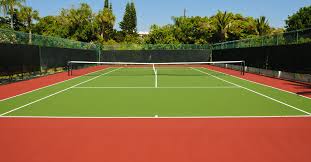
There’s something uniquely satisfying about a well-built tennis court. Maybe it’s the crisp sound of a ball hitting the surface just right, or the subtle scent of fresh-cut grass or acrylic in the morning air. For players, it’s more than a patch of asphalt or clay—it’s a space that invites focus, fun, and connection. But turning that vision into reality takes more than enthusiasm; it requires thoughtful planning, careful selection of materials, and attention to detail.
For anyone thinking about building a court at home, at a club, or in a community space, one of the first questions is, “Where do I even start?” The answer isn’t just about measuring a rectangle in the backyard. A successful court begins with a strong foundation, a clear understanding of the intended use, and careful decisions about materials and design. This is where understanding tennis court flooring becomes crucial.
Choosing the Right Surface
The surface is the heartbeat of any tennis court. It affects every aspect of play—from ball bounce to player comfort. Hard courts, usually made of asphalt or concrete coated with acrylic, are durable and low-maintenance. They provide a consistent bounce and are suitable for all levels of players. Clay courts, by contrast, slow down the ball and encourage longer rallies but require more frequent maintenance, like rolling and watering. Grass is fast, beautiful, and traditional, but it’s high-maintenance and weather-dependent.
Modern synthetic options have changed the game. Cushioned acrylic or modular tiles offer shock absorption, reducing stress on knees and joints, and they’re surprisingly resilient to weather changes. Choosing the right tennis court flooring is more than aesthetic—it’s about how you want the game to feel, how often the court will be used, and how much upkeep you’re willing to commit to. A carefully selected surface can elevate the playing experience for years, while a poor choice can lead to frustration and early replacement.
Planning the Layout and Orientation
Once the surface is selected, the next step is deciding where and how the court will sit. Orientation matters—north-south alignment minimizes glare during early morning or late afternoon play. Surrounding space is just as important. Buffer zones are needed for safe movement, while fencing and landscaping add both safety and aesthetic appeal.
If you’re imagining a backyard court, it’s easy to overlook these details, but cramped corners or improper angles can make a court frustrating to use. Experienced planners consider sun, wind, and accessibility to ensure that the court feels right the moment you step on it.
The Foundation: Building for Longevity
A tennis court isn’t just its surface—it starts with a properly prepared base. Soil testing, grading, and compaction are essential to prevent uneven surfaces, cracks, or water pooling. Even slight errors at this stage can affect playability and shorten the life of your court. Drainage is critical, especially in regions prone to heavy rainfall. A subtle slope or hidden drainage channels ensures water doesn’t linger, which protects both the foundation and the surface.
Investing in a strong foundation during the initial tennis court construction phase pays off in the long run. It may require extra effort upfront, but it prevents costly repairs, resurfacing, and downtime later.
Line Painting and Court Markings
After the surface is laid, the court needs its lines. Crisp, visible lines aren’t just for official matches—they guide play, define boundaries, and improve overall enjoyment. Proper line application requires high-quality paint and precise measurement to meet regulation dimensions. Poor-quality or faded paint can be distracting and reduce play quality.
Color choices also matter. While traditional white is common, contrasting colors like blue or green for the background can improve visibility and reduce eye strain, making the court more enjoyable for players of all ages.
Lighting and Accessories
Lighting, fencing, seating, and wind screens all play subtle but vital roles. Without proper lighting, evening or early morning play becomes impractical. Fencing keeps balls contained and adds a sense of safety. Benches, shaded areas, and storage enhance usability and comfort. Even minor touches, like small landscaping features, can turn a functional court into a welcoming space that players actually want to spend time on.
Maintenance Matters
No court is truly set-and-forget. Hard courts require occasional resurfacing, clay courts need rolling and watering, and synthetic surfaces need periodic inspection for wear or damage. Proper maintenance not only preserves the court’s playability but also protects your investment. Little things, like sweeping debris, checking for cracks, or clearing drainage channels, make a huge difference in longevity and safety.
Budgeting Wisely
Building a court is a substantial investment, and understanding costs is crucial. Beyond the surface, you have to account for grading, drainage, fencing, lighting, and maintenance. Skipping steps to save money upfront often results in higher expenses later. Choosing high-quality tennis court construction and trusting experienced professionals during construction ensures your money is well spent.
Think of it as buying a reliable car—you invest more initially, but it lasts longer and performs better over time. Budgeting for durability and quality pays dividends in satisfaction and longevity.
Adding Personal Touches
One of the joys of building a court is customization. Colors, landscaping, seating, or even personalized logos can make the space feel unique. For private homes, this might mean blending the court with your garden or patio. For schools or clubs, branding adds identity and pride. These touches don’t just make the court prettier—they encourage more frequent use and make the space inviting.
Thinking About the Future
A court is a long-term investment. Who will use it in five or ten years? Will it host competitive play, casual matches, or lessons for kids? Planning for the future ensures that your court remains functional, enjoyable, and valuable as needs evolve. Experienced tennis court construction teams often provide guidance on materials, layout, and long-term maintenance strategies, helping you avoid costly redesigns or repairs.
The Joy of Play
At the end of the day, all the planning, materials, and labor are for one purpose: play. A thoughtfully designed court makes rallies smoother, serves more predictable, and matches more enjoyable. It becomes more than a surface—it becomes a space for memories, personal growth, and connection.
When everything comes together—the foundation, the surface, the lines, the lighting—the result is a court that feels effortless to play on and inviting to everyone. It’s a place where mornings start with energy, afternoons are spent practicing, and evenings close with laughter and satisfaction.
Final Thoughts
Building a tennis court is an investment in both lifestyle and property. Thoughtful planning, quality tennis court flooring, precise line work, and careful tennis court construction create a space that’s safe, enjoyable, and long-lasting. From the foundation to finishing touches, every decision impacts the experience.