
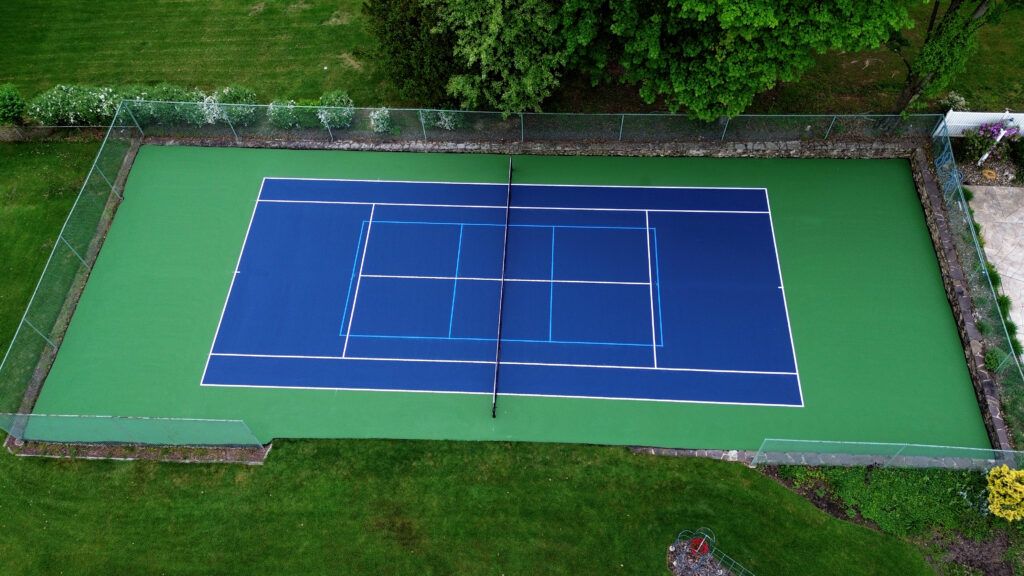
There’s something undeniably inviting about an outdoor tennis court. The sun glinting off the surface, a gentle breeze brushing past, and the sound of a ball bouncing at just the right rhythm—it’s one of those small, perfect slices of life that makes you forget the world for a while. But behind that simple joy lies a surprising amount of planning, decision-making, and attention to detail. Anyone who’s thought about building a court knows it’s more than just a flat piece of land with a net.
Whether you’re a weekend player, a serious enthusiast, or someone designing a community space, understanding the nuances of tennis court materials and design choices is key. The surface, the structure, and even the surrounding environment all shape how a court plays, feels, and stands the test of time.
Picking the Right Surface
Let’s start with what most players notice first: the bounce. The way a ball reacts when it hits the court depends heavily on the surface. There’s asphalt, concrete, clay, grass, and a variety of synthetic modular tiles that have evolved in recent years. Each comes with its quirks.
Hard surfaces like acrylic-coated asphalt are common. They offer consistent bounce, durability, and relatively low upkeep. Clay slows the game down, giving longer rallies, but it’s high-maintenance—rolling, watering, and keeping the lines crisp can become a ritual if you’re not prepared. Grass, meanwhile, is fast and elegant but notoriously temperamental; rainfall, sunlight, and wear can quickly affect play.
And then there are newer synthetic options. Some come cushioned for extra joint protection, others are modular, which is handy if a section wears faster than the rest. When you’re building a court, you aren’t just choosing color or texture—you’re choosing the way the game feels beneath your feet. The right tennis court materials can make or break the experience, so it’s worth spending time understanding what works for your climate, level of play, and long-term expectations.
Space and Placement: More Than Just a Backyard
Now, let’s talk placement. An outdoor tennis court isn’t just about aesthetics—it’s about practicality. Sun orientation, drainage, and wind patterns all affect gameplay. Ideally, courts are aligned north-south to minimize glare during morning and evening sessions.
Drainage is another critical factor. You’d think water would just roll off, but even minor pooling can create slippery patches, damage surfaces, and shorten the lifespan of your court. That’s why grading the land correctly and considering surrounding landscaping isn’t optional—it’s essential. A court tucked under overhanging trees may look dreamy, but falling leaves and roots can create a headache over time.
Space around the court matters too. You need buffer zones—enough room to chase balls safely, walk around freely, and even add seating or spectator areas if desired. Think of it like designing a mini sports complex, not just a rectangle of asphalt.
Beyond the Basics: Fencing, Lighting, and Amenities
Once you’ve got the surface and location figured out, the details start to matter. Fencing keeps balls contained and adds a sense of security, while wind screens can prevent unpredictable gusts from turning a friendly rally into a frustration. Lighting is another game-changer, literally. Evening play is a huge advantage if the court is equipped with well-placed LED or halogen lights. Without it, your court essentially shuts down as soon as the sun dips.
Other touches can elevate the experience. Benches, water stations, storage for balls and racquets, and even subtle landscaping contribute to the ambiance. A well-designed outdoor space encourages more frequent play and makes every match feel a little more special.
Maintenance: The Unsung Hero
Here’s the reality—every court, regardless of materials or location, needs care. A hard court benefits from regular cleaning and eventual resurfacing. Clay demands rolling and watering. Even modular synthetic surfaces need spot repairs and debris removal.
Neglecting maintenance might save a few bucks initially, but it often leads to costly repairs or complete resurfacing down the road. Think of it as investing in a routine that keeps your court playable, safe, and enjoyable for years to come.
One thing I’ve noticed over time is that small, consistent efforts pay off massively. Sweeping leaves, checking for cracks, clearing drainage paths—these tiny actions prevent big headaches later.
Climate Considerations
Climate plays a bigger role than most people imagine. Hot, dry regions may see cracks forming faster on asphalt or concrete, while humid or rainy climates demand excellent drainage to prevent pooling and mold. Freeze-thaw cycles can warp or damage surfaces if the base isn’t constructed correctly.
Choosing the right outdoor tennis court with your climate in mind isn’t just a matter of durability—it’s a matter of playability. A court that responds inconsistently to temperature changes or moisture can frustrate players and shorten the lifespan of the entire project.
Budgeting Wisely
Cost is always a factor, but the lowest price rarely equates to the best long-term value. High-quality materials and thoughtful construction might carry a higher initial price tag, but they typically reduce repair frequency and improve longevity.
Don’t forget hidden costs like fencing, lighting, drainage solutions, and annual maintenance. The real “price” of a court includes both upfront construction and long-term upkeep. When you consider the bigger picture, investing a little more upfront usually saves headaches (and money) in the years to come.
Adding Personality
One of the best parts of designing a court is personalization. Colors, logos, line patterns, and surrounding landscaping can turn a functional space into something unique and inviting. Private homeowners might integrate color schemes that complement their homes or gardens. Clubs and schools might incorporate logos or branding to create a sense of pride and community.
Even subtle touches—like shaded seating, storage areas, or a water fountain—can enhance the experience dramatically. These aren’t necessities, but they’re the difference between a court that’s merely used and a court that feels alive.
Thinking Long-Term
A successful outdoor court is more than its construction—it’s about vision. Consider who will use it in five, ten, or fifteen years. Will it host casual matches, competitive play, or training sessions for juniors? Building with flexibility in mind ensures the court stays relevant as needs evolve.
Working with experienced contractors can help you navigate choices in materials, lighting, drainage, and amenities. They often know solutions and innovations you might not have even considered.
The Joy of Play
All these details—materials, placement, drainage, maintenance, lighting—ultimately serve one goal: playability. A thoughtfully built outdoor tennis court isn’t just a rectangle in your backyard or a section of a park. It’s a stage for memories, skill-building, and connection.
Whether it’s an early morning serve, a sunset rally, or teaching someone their first backhand, a well-designed court elevates every experience. It’s not just about the game—it’s about the joy, the challenge, and the moments that linger long after the last point.
Final Thoughts
Building an outdoor tennis court is as much an art as a science. It requires attention to detail, careful planning, and an understanding of how small decisions affect long-term enjoyment. Choosing the right tennis court materials, designing the space thoughtfully, and budgeting for ongoing care ensures that your court remains a source of pride and play for years to come.