
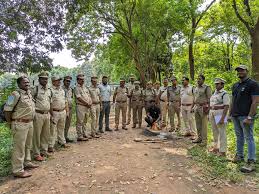
There’s a certain calm that comes from stepping into a forest. The rustle of leaves, the distant chirping of birds, the scent of damp soil—it’s grounding in a way that city life rarely allows. For some, this connection to nature isn’t just a weekend escape; it’s a calling. And for those looking to combine purpose, stability, and meaningful work, the Van Vibhag offers a unique path. It’s more than a job—it’s a chance to make a real difference while building a career with the government.
When people first hear about forest jobs, they often imagine rangers patrolling jungles or wildlife officers observing animals. While those positions exist, the reality is much broader. From clerical roles to technical staff in nurseries, from field supervisors to drivers, the department relies on a variety of roles to function smoothly. Each position contributes to the larger mission: conserving forests, supporting wildlife, and ensuring sustainable use of natural resources.
The first step for many aspirants is tracking official notifications. Vacancies aren’t released constantly, so staying alert is key. Websites of state forest departments and employment bulletins are primary sources, and missing a posting can mean months of waiting. For those ready to apply, the convenience of digital submissions has transformed the process. You can now van vibhag bharti apply online , which has made accessing opportunities easier than ever—but it still demands attention to detail. Uploading the right documents, filling out forms correctly, and meeting deadlines is crucial. One small mistake, and the application could be rejected.
Eligibility varies depending on the role. Some jobs require basic educational qualifications, while others call for specialized knowledge in forestry, environmental science, or wildlife management. Age limits are typically set by category, and physical standards apply for field roles. Forest guards or field officers, for example, might have to pass endurance tests, navigate rough terrain, or demonstrate vehicle handling skills. These requirements may seem strict, but they reflect the realities of the work. After all, working in remote forests isn’t just about knowledge—it’s about resilience, adaptability, and readiness.
Written examinations are another critical part of the recruitment process. Candidates are tested on general knowledge, environmental awareness, reasoning, and sometimes state-specific geography. Preparing for these exams requires discipline. Early mornings, evening study sessions, and weekends dedicated to practice are common routines for serious aspirants. Fieldwork adds a physical dimension, requiring fitness and stamina. Together, the preparation builds not just skill, but character—something that serves employees well throughout their careers.
The reality of life on posting can be surprising for newcomers. Many assignments are in remote areas where amenities are limited. Markets, schools, and hospitals may be far, and connectivity can be patchy. Transfers can also happen unpredictably. For some, this isolation feels challenging at first. Yet many employees find it liberating—a chance to focus on work that truly matters and live in sync with the natural rhythm of the environment. The slower pace, though unfamiliar initially, allows one to appreciate small achievements—a successfully protected patch of forest, a rescued animal, or a community educated about sustainable practices.
Administrative work is another essential aspect of Van Vibhag employment. Reports, permits, and coordination between departments may not be glamorous, but they ensure the system functions effectively. Successful employees learn to balance fieldwork with paperwork, understanding that each complements the other. Efficient documentation supports conservation efforts just as much as on-ground action, and both require attention, patience, and diligence.
For those seeking security and recognition, the Van Vibhag is appealing. A van vibhag job vacancy doesn’t just promise employment; it offers a role that carries respect, stability, and long-term benefits. Salaries are structured, promotions follow government norms, and the work comes with a clear sense of purpose. Beyond financial rewards, the intangible benefits—the sense of making a difference, contributing to the environment, and being part of a respected government department—are immense.
Community engagement adds another layer of fulfillment. Forest employees often develop close connections with local villagers and townspeople. They are trusted advisors in matters of forest management, resource conservation, and education. This trust fosters respect and creates a meaningful human connection that many other jobs cannot offer. Employees frequently report that these relationships are among the most rewarding aspects of their work, providing motivation far beyond salary or career advancement.
Challenges exist, of course. Remote postings, long hours, unpredictable weather, and bureaucracy can test patience and resilience. But for those drawn to nature, these challenges are part of the adventure, not obstacles. Many employees describe a quiet pride in seeing tangible results—the forest restored, wildlife protected, or communities supported. Even small victories—a tree planted, a field team successfully mobilized—carry a sense of accomplishment that’s rare in conventional jobs.
The pace of work in the Van Vibhag also teaches a lesson in patience. Conservation is rarely immediate. Forests grow slowly, wildlife populations recover over years, and ecosystems respond gradually to human intervention. Employees quickly learn that the work is long-term, requiring consistent effort and persistence. For those who embrace this rhythm, the reward is a deeper understanding of nature, society, and one’s own capabilities.
Ultimately, a career in the Van Vibhag is about more than employment—it’s about balance. It’s a combination of responsibility, personal growth, meaningful contribution, and the stability of government service. Those who succeed are prepared, adaptable, and patient. They approach opportunities strategically, whether they are keeping track of postings, ensuring they meet all criteria, or submitting applications van vibhag bharti apply online.