
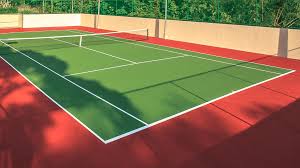
There’s something quietly thrilling about stepping onto a freshly built tennis court. The smell of fresh paint, the crisp lines, the faint echo of a future rally—it all hits at once. But anyone who’s been around courts for more than a few months knows that what looks perfect isn’t always perfect. A tennis court isn’t just a flat rectangle with lines and nets. It’s a living, breathing surface that interacts with every movement, every pivot, every sprint. And getting it right takes more than luck—it takes planning, understanding, and sometimes, a little trial and error.
The journey starts long before the first layer of material is laid down. One of the first things to consider is the tennis court size . It might seem straightforward—lines are standardized, right?—but dimensions influence everything from player movement to spectator placement. Singles and doubles games require subtly different layouts, and available space often forces compromises. It’s not just about squeezing a rectangle into your backyard; it’s about ensuring that every corner, every service box, and every baseline feels proportionate and functional. Too small, and players feel cramped. Too large, and energy drains faster than expected. And, of course, space also interacts with your surroundings—trees, fencing, lighting—so getting the size right isn’t just a numbers game.
Once size is settled, attention turns to materials. The surface defines the game. Clay, grass, asphalt, concrete, acrylic—the options can be dizzying. Each has pros and cons, and each affects speed, bounce, and impact on joints. Clay slows the ball, rewarding patience and strategy. Hard courts give predictable bounce and durability. Grass offers tradition and elegance, but maintenance is a headache. Synthetic surfaces provide a middle ground, combining resilience and consistent play. Choosing the right one requires weighing lifestyle, usage frequency, climate, and maintenance capacity.
But even the best surface material is only as good as the base beneath it. Poor drainage or uneven leveling can turn a promising court into a source of frustration. Water pools, cracks form, and bounces become unpredictable. Experienced builders understand these subtleties and plan meticulously. It’s not glamorous work—grading, compacting, and testing—but it’s essential. When done correctly, these invisible layers create a surface that feels effortless underfoot.
Then there’s the matter of design beyond the lines. Fencing keeps the game contained and players safe. Lighting extends usable hours. Shade structures offer relief from sun or wind. Seating areas and pathways complete the space, making it not just functional, but enjoyable. These details may feel secondary, but they shape the experience just as much as the bounce of the ball or the court surface itself.
Maintenance deserves its own attention. Even the most durable surfaces require care. Hard courts benefit from periodic cleaning and resurfacing. Clay courts need rolling and moisture management. tennis court Grass courts demand mowing, watering, and patching. Skimping on maintenance doesn’t just affect appearance—it affects playability, safety, and longevity. A court cared for properly rewards players for years, while neglect quickly turns potential into frustration.
Beyond materials and upkeep, there’s the human element. The best courts feel intuitive. Players move with confidence, anticipate the ball naturally, and react without hesitation. Poorly executed construction or subpar materials, by contrast, erode that confidence. Every mis-bounce, slip, or uneven patch reminds players of what’s beneath their feet, breaking concentration and diminishing enjoyment. A truly excellent court, by contrast, fades into the background—players notice only the game, not the ground supporting it.
Even small decisions can have subtle but lasting effects. The color of lines, the choice of surface coatings, or the inclusion of subtle cushioning layers influence both aesthetics and comfort. These choices affect visibility, temperature, traction, and even joint strain over long sessions. Courts are more than rectangles—they’re engineered environments tailored to human performance.
Climate, location, and surrounding conditions matter too. Sunlight, wind, and nearby structures affect ball trajectory, visibility, and player comfort. Rain or frost interacts with surfaces differently, depending on material and construction. A court built without considering these factors might look fine on opening day but quickly reveal flaws once weather and use take their toll. Good builders anticipate these variables and plan accordingly, ensuring longevity and consistent playability.
Perhaps most importantly, courts are about experience. The perfect court feels alive. It encourages players to try new shots, push limits, and improve without being a liability. It fosters community, friendly competition, and moments of quiet satisfaction. Every rally, every serve, every volley feels slightly better because the court responds as expected. That reliability, though often invisible, is the hallmark of quality.
Ultimately, a well-built tennis court is more than the sum of its parts. Size, materials, construction, and maintenance all matter—but what players remember is how it feels underfoot. It’s the difference between hesitating mid-rally and flowing effortlessly from baseline to net. It’s the difference between frustration and joy. And that difference, subtle though it may be, transforms a space into a place, a rectangle into a stage for countless memories.