
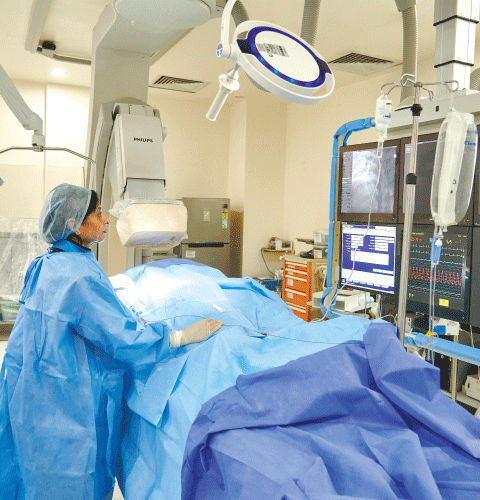
Heart health is one of those things we often take for granted—until it isn’t. One day, it’s just a little fatigue, a skipped beat here and there, and suddenly, you’re thinking about hospitals, doctors, and emergency numbers. Bangalore, sprawling and fast-paced as it is, has plenty of options—but knowing which one to choose can feel overwhelming. Finding a hospital that blends expertise with empathy is key, because when it comes to your heart, there’s no room for compromise.
Let’s start at the beginning. Heart conditions aren’t just about blocked arteries or bypass surgeries; they cover a wide spectrum—high blood pressure, arrhythmias, lifestyle-related risks, and more. That’s why selecting a cardiology Hospital in bangalore requires looking beyond fancy equipment. Modern technology is important, sure, but the human side of care often makes the biggest difference. Doctors who patiently explain procedures, nurses who notice subtle concerns, and staff who make you feel genuinely supported are the hallmarks of a hospital that goes beyond transactional care.
Bangalore’s cardiac hospitals vary a lot in style. Some emphasize cutting-edge technology—robot-assisted surgeries, advanced cath labs, and state-of-the-art imaging. Others rely more on experience and personalized care, focusing on clear communication, detailed follow-ups, and holistic recovery plans. The hospitals that consistently stand out usually combine the best of both worlds: modern facilities and staff who see the patient first. A reassuring voice, a thoughtful gesture, or a follow-up call can sometimes matter more than a machine.
Practical details matter too. Appointment availability, waiting times, insurance coverage, and accessibility can significantly affect your experience. Nobody wants to be stuck in a waiting room when anxiety is already high. Personal recommendations are often invaluable here. Friends, family, or colleagues who’ve been through similar experiences can tell you things a website never will—how emergencies are handled, how compassionate the staff are, or how smooth the post-treatment care is.
Emergency preparedness is a critical consideration. This is where the best heart hospital in bangalore makes a tangible difference. Reputation here isn’t just a badge; it reflects years of consistent outcomes, strong safety standards, and the ability to handle urgent cases with calm precision. It’s not just about surviving a heart attack—it’s about regaining strength, confidence, and a sense of control after a major health event.
Long-term care and prevention are increasingly part of cardiac programs. Many hospitals now offer lifestyle counseling, diet planning, stress management, and regular checkups. This proactive approach changes the way patients interact with their health. Instead of waiting for issues to crop up, patients are empowered to make choices that protect their hearts. Preventive programs not only improve outcomes but also give peace of mind, which, for many, is priceless.
Technology plays a big role in modern cardiac care, but it’s only part of the picture. Remote monitoring, teleconsultations, and patient portals allow ongoing engagement with healthcare teams, reducing unnecessary hospital visits while keeping doctors in the loop. For busy Bangalore residents, this kind of accessibility can make a huge difference in adherence to treatment plans and early detection of issues.
Still, technology alone can’t replace empathy. Nurses remembering small details, doctors answering questions without hurry, and staff following up after discharge create an environment that supports recovery. Emotional reassurance—sometimes overlooked—is often just as critical as the procedures themselves, especially during long-term or chronic care.
Patient education also has a significant impact. Understanding your condition, recognizing warning signs, and following lifestyle guidance can prevent future complications. Hospitals that integrate education into treatment empower patients and their families, transforming a stressful experience into one that feels manageable. Knowledge can reduce anxiety, encourage adherence, and improve overall health outcomes.
Financial considerations are practical, but they matter. Quality care comes at a cost, and understanding your insurance coverage, co-pays, and potential out-of-pocket expenses can remove a lot of stress. Hospitals that communicate clearly about costs and work with multiple insurance providers make the process smoother, letting patients focus on healing rather than finances.