
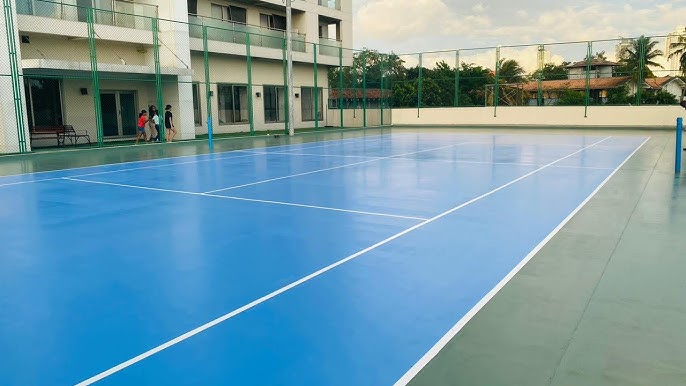
There’s something almost hypnotic about tennis—the crack of the ball off the racket, the rhythm of a good rally, the tiny victories in each point. And, strangely enough, the feel of the court beneath your feet plays a bigger role in that experience than most people realize. A court isn’t just a flat rectangle with a net—it’s a crafted space, shaped by design, materials, and a bit of foresight.
Before diving into construction, one of the first things any player or homeowner thinks about is the tennis court size . It might seem straightforward: a rectangle, some lines, and you’re done. But even a few feet difference in dimensions can affect how the game feels. Official singles courts are 78 feet long by 27 feet wide, while doubles stretches to 36 feet. Add in the overrun space for safe movement and you’re looking at a footprint that’s significantly larger. Getting this right isn’t just about rules—it’s about making sure your space feels comfortable for both casual play and more competitive matches.
Planning Makes All the Difference
A well-built court doesn’t happen by accident. Location, slope, and orientation all matter. Ideally, courts run north-south to reduce sun glare during morning and evening matches. Even slight gradients are important to ensure water drains correctly—standing puddles aren’t just annoying, they can damage surfaces over time.
Surroundings also play a role. Nearby trees provide shade but can drop leaves, seeds, or sap, which creates maintenance headaches. Fencing keeps balls contained but shouldn’t feel confining. And lighting—often overlooked—can transform a court from daytime-only to an evening playground, letting you squeeze in matches after work or enjoy late-night practice.
Choosing the Right Surface
Now comes the fun part: picking what the court is actually made of. The surface dictates bounce, traction, and even the overall feel of each game. Hard courts, usually asphalt or concrete, are durable and provide a fast game, but they’re tough on joints. Clay courts slow the ball, soften impact, and have a more traditional, European feel—but they demand more maintenance. Grass courts are visually stunning and fast but need near-daily attention and favorable weather.
Then there are synthetic options, which blend durability, consistent bounce, and lower upkeep. Many private courts today favor acrylic or cushioned synthetic surfaces for their playability and low long-term maintenance. The right choice depends on your priorities: performance, longevity, or a balance of both.
Construction Matters
Even the best materials won’t perform if installation is sloppy. That’s why hiring professionals for tennis court can be invaluable. Experienced builders don’t just pour surfaces—they prepare the ground, set proper slopes, install drainage, and ensure everything from net posts to fencing is perfect.
Small mistakes during construction—like uneven grading or poor compaction—can have big consequences: cracks, puddles, uneven ball bounce. Professionals anticipate these issues and handle them before they become problems. Think of it as laying the foundation not just for a court, but for years of enjoyable play.
Maintenance and Longevity
A tennis court isn’t a “set it and forget it” project. Maintenance keeps it safe, playable, and visually appealing. Hard courts may need resurfacing every few years. Clay courts require rolling and watering. Synthetic courts benefit from occasional cleaning and line touch-ups. Even minor issues, like moss, debris, or small cracks, can affect playability and safety.
Proper upkeep ensures the court lasts decades and that each match feels as good as the first. Neglect leads to fading lines, uneven bounce, and eventually costly repairs—like ignoring a leaky faucet that turns into a flood.
Adding Personality to Your Space
A tennis court can be more than just a rectangular playing field—it can be a space that reflects personality and lifestyle. Seating for spectators, shaded areas for breaks, or surrounding landscaping can make a court feel like an extension of the home rather than just a sports facility.
Colors, textures, and materials matter too. Some synthetic courts allow for aesthetic customization, giving you options beyond the traditional green or blue. Small details like benches, umbrellas, or even windscreens can elevate the experience, making the space inviting for both play and relaxation.
The Joy of a Well-Built Court
There’s a subtle satisfaction in stepping onto a court that’s been built thoughtfully. The ball behaves predictably, movement feels natural, and you can focus on your game rather than worrying about uneven surfaces. A good tennis court does more than host matches—it inspires play. Every serve, volley, and sprint feels smoother, and you’re more likely to play longer, practice harder, and enjoy every session.
The court becomes more than a piece of property; it becomes part of your routine, a backdrop to memories, and sometimes a quiet retreat. Whether it’s weekend games with friends or solo practice, the court’s design and materials shape how you experience the sport.
Considerations Beyond the Basics
While layout, surface, and construction dominate the conversation, there are other practical aspects to consider. Lighting, drainage, and fencing are technical but essential details. You also need to factor in local climate—freeze-thaw cycles, heavy rain, or intense sun exposure can all impact material choice and maintenance schedules.