
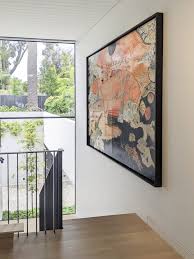
Some artworks decorate a room. Others transform it.
Aboriginal art falls firmly into the second category. It doesn’t just sit quietly on a wall looking pretty — it carries story, culture, connection to Country. There’s movement in it. Rhythm. Layers of meaning that stretch back tens of thousands of years. And when you bring a piece into your home, you’re not just filling empty space. You’re inviting in something older and deeper than the building itself.
In Melbourne, where art is woven into everyday life, more people are looking beyond generic prints and searching for work that feels authentic. Personal. Rooted. But choosing Aboriginal art isn’t something to rush, and displaying it deserves more than a casual hammer-and-nail approach.
Let’s talk about both parts — the finding and the hanging — because they matter equally.
Buying with Intention, Not Impulse
The first thing to understand about Aboriginal art is that it tells stories. These might be Dreaming narratives, depictions of landscapes, family histories, or cultural knowledge passed down through generations. The symbols and patterns aren’t random decoration. They mean something specific to the artist and their community.
So if you’re exploring Aboriginal art for sale Melbourne , take a breath before pulling out your wallet.
Visit reputable galleries. Ask about the artist’s background. Make sure the work comes with proper documentation or a certificate of authenticity. Ethical sourcing is crucial — not just for peace of mind, but to ensure artists and their communities are fairly supported.
Melbourne has a strong network of Indigenous-owned galleries and collaborative art centres that prioritise transparency. Buying through these channels means you’re participating in a respectful exchange, not just a transaction.
And honestly, the experience feels different. When you know the story behind the piece — where it was painted, what it represents — the artwork becomes more than an object. It becomes a conversation starter. A connection point.
I’ve seen people stand quietly in front of a canvas, reading about the artist, tracing the patterns with their eyes as if trying to follow the path of the story. That pause? That’s a good sign. It means the piece is doing its job.
Choosing the Right Piece for Your Space
Aboriginal artworks come in all scales and styles. Some are bold and expansive, filled with intricate dot work that draws you in the longer you look. Others are more minimal, with strong lines and earthy tones that anchor a room quietly but confidently.
When deciding what works for your home, think beyond colour schemes. Yes, palette matters. But so does energy.
A large statement piece can transform a living area, especially in open-plan Melbourne homes with high ceilings. Smaller works can feel powerful in more intimate spaces like bedrooms or studies. What you want to avoid is shrinking the art to fit the wall. Let it breathe. Give it presence.
One common mistake is hanging culturally significant work in high-traffic areas where it’s barely noticed — like squeezed between a doorway and a light switch. Placement communicates respect. Choose a location where the artwork can be appreciated, not rushed past.
Why Hanging It Properly Matters More Than You Think
Once you’ve chosen the piece, the next step is displaying it securely and thoughtfully. And this is where many good intentions fall apart.
Aboriginal artworks are often substantial — stretched canvases, framed works with glass, or pieces on heavier materials. Melbourne homes, on the other hand, can be unpredictable. Heritage plaster walls, brick surfaces, modern drywall, even concrete apartments. Each surface requires specific fixings and techniques.
This isn’t the time for guesswork.
Engaging Picture Hanging Services Melbourne ensures that your artwork is installed safely, aligned precisely, and supported correctly for its weight. Professionals don’t just eyeball it and hope for the best. They measure carefully, locate studs accurately, and use anchors suited to the wall type.
But it’s not only about security. It’s about proportion.
Experienced installers consider eye level, furniture placement, and natural light. Generally, artwork is centred around eye height — roughly 145 to 150 centimetres from the floor — but those guidelines shift depending on ceiling height and room layout. Above a sofa, for example, the piece should feel connected to the furniture, not floating awkwardly toward the ceiling.
Small adjustments — a few centimetres higher or lower — can dramatically change the balance of a room.
Lighting and Atmosphere
Lighting deserves its own mention because it can make or break the impact of Aboriginal art.
Natural light enhances the earthy pigments and textured surfaces, but prolonged direct sunlight may cause fading over time. Soft, angled lighting often works best. If possible, position spotlights to highlight the work without creating glare.
And here’s something people don’t always consider: what the artwork faces. Is it opposite a bright window that will wash it out during the day? Is it competing with a television screen nearby? These details shape how often you truly engage with the piece.
The goal isn’t perfection. It’s harmony.
Living with Cultural Art Responsibly
Owning Aboriginal art carries responsibility. Learn about the cultural context. Avoid treating it as a fleeting trend. If friends ask about it, share the story you were told. Keep the certificate of authenticity safe.
This isn’t about being overly cautious. It’s about respect.
In many ways, incorporating Indigenous artwork into your Melbourne home creates a quiet dialogue between ancient tradition and contemporary living. The contrast can be beautiful. A sleek modern interior softened by textured dot painting. A Victorian terrace hallway anchored by a vibrant landscape that reflects Country.
It brings depth to a space. History. A reminder that the land beneath the city has stories of its own.
The Final Layer: Intention
At the end of the day, choosing and hanging Aboriginal art isn’t about ticking a design box. It’s about intention.
Buy thoughtfully. Support ethically. Install carefully.
When everything comes together — the right piece, placed with care, secured properly — the result is powerful without being loud. The artwork doesn’t shout for attention. It holds it.