
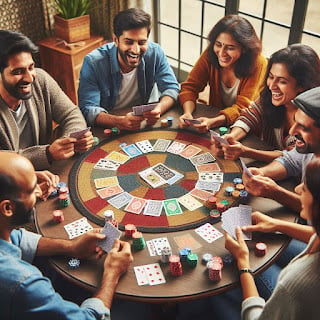
There’s something quietly magnetic about matka games in India. Maybe it’s the soft tension in the room before the numbers are drawn, or the collective thrill when someone guesses right. It’s not just gambling—it’s a cultural rhythm, a blend of intuition, observation, and sheer anticipation that has persisted for decades. Even with online platforms making access easier than ever, the traditional charm of matka—the whispers, the suspense, the shared stories—remains irresistible for many.
Among the different variations, matka 420 holds a special place. Its name alone sparks curiosity, and for good reason. This variant is known for its bold pace and the sense of calculated risk that comes with each draw. Players don’t just pick numbers at random; they observe patterns, track previous results, and rely on instincts honed through experience. The atmosphere is electric—quietly intense, like everyone in the room is holding their breath together. And when the numbers line up, that moment of triumph feels almost cinematic, fleeting yet unforgettable.
Matka’s history is surprisingly colorful for a game that seems so straightforward. It originated in the 1950s as a way to bet on the opening and closing prices of cotton traded on the New York Cotton Exchange. People would record these rates on slips of paper, and eventually, these slips were replaced by numbers drawn from clay pots—matkas—giving the game its signature name. Over the decades, matka evolved from a casual gambling activity to a deeply embedded cultural tradition, particularly in Mumbai, Delhi, and other urban centers.
One of the most fascinating aspects of matka is its social dimension. Unlike many games that can be solitary, matka thrives on mentorship and observation. Experienced players guide newcomers, explaining terms like “panna,” “jodi,” and “single,” and sharing insights that can only be picked up over years of playing. Watching a draw unfold is almost theatrical: the quiet murmurs, the subtle glances, the scribbles on paper—every gesture seems loaded with anticipation. It’s not just about numbers; it’s about reading people, patterns, and timing.
The thrill of matka is tied to more than just risk. Humans naturally seek patterns, enjoy anticipation, and get drawn to small challenges that test intuition. Winning brings a rush, sure, but the lessons in losing are equally compelling. Every loss teaches patience, resilience, and strategy. Players often describe it as a mental exercise, a subtle game of observation and instinct, where every number can shift the energy of the room.
Cultural significance is another reason matka endures. The tradition of indian matka isn’t confined to gambling alone. Over the years, it has become a social and communal experience, connecting generations. Older players share stories and tips with younger ones, preserving a cultural knowledge base that’s unique to India. Even in a digital age, the game retains this communal heartbeat—through online chats, forums, and group discussions—keeping the essence alive.
Technology has undeniably transformed matka. Digital platforms and apps make it easy to join draws from anywhere, removing the need to visit a physical location. Yet, the suspense and thrill remain. The tension of seeing numbers revealed, the debates over patterns, and the quiet excitement of anticipation translate surprisingly well online. The human element—the stories, mentorship, and shared energy—remains central, even in a virtual space.
Legally, matka exists in a gray zone, which adds an element of mystique. For decades, much of it was informal, circulating through trusted social circles. That secrecy shaped the culture of the game, making it about more than money—it was about strategy, observation, and community. Even today, players take pride in understanding the nuances and respecting the traditions that have kept matka alive for generations.
Generational continuity also enriches matka. Parents, uncles, and older friends often pass down strategies, patterns, and memorable anecdotes to younger players. Newcomers quickly realize that matka is less about instant winnings and more about participating in a living tradition. Each draw, each slip, each observation carries the echoes of past experiences, linking players across time and space.
Psychologically, matka taps into the human love for anticipation and challenge. The balance of chance and strategy, the tension in waiting for a result, and the subtle dynamics of community interaction make it a deeply engaging activity. For many, the game becomes less about monetary gain and more about understanding patterns, predicting outcomes, and enjoying shared excitement. It’s a mix of thrill, strategy, and human connection.
Ultimately, matka endures because it combines culture, psychology, and suspense. The pulse of the matka 420 draws, the careful attention to patterns, and the rich social interactions create a game that’s both simple and complex, communal and personal. It teaches observation, patience, and resilience while giving players moments of genuine excitement and connection.