
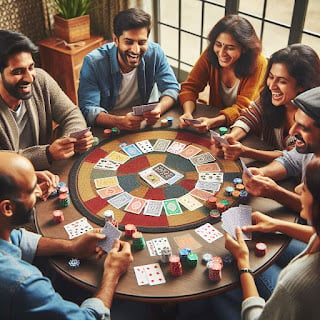
There’s something quietly addictive about matka games in India. Maybe it’s the suspense that hangs in the air before a draw, the soft murmurs of players discussing numbers, or just the tiny rush you get when a prediction turns out right. Whatever it is, matka isn’t just gambling—it’s a culture, a social ritual, and a little window into human psychology. Even with the rise of apps and online platforms, the traditional thrill of matka still captures imaginations, keeping players coming back for decades.
At the heart of many matka circles, you often hear about the matka boss . Not an official title, but in local communities, it’s a mark of respect. The matka boss is someone who has mastered the rhythm of the game—reading patterns, mentoring new players, and managing the draws with precision. They aren’t just number-pickers; they’re strategists, storytellers, and sometimes even counselors in the small dramas that unfold around wins and losses. Watching a matka boss at work is like watching a chess grandmaster think three moves ahead—but with added tension, whispers, and the unpredictability of human behavior.
Matka has a surprisingly interesting origin. It began in the 1950s as a way to bet on the opening and closing prices of cotton on the New York Cotton Exchange. Gradually, the practice evolved, and numbers started being drawn from clay pots—“matkas”—giving the game its name. Over the decades, it spread across India, becoming more than just gambling. It became a social activity, a shared language, a ritual that connected generations. People weren’t just chasing money—they were part of a living, breathing tradition.
Part of what makes matka fascinating is how social it is. It isn’t just a solitary game; it thrives on observation, mentorship, and community. Experienced players teach newcomers about terms like “panna,” “jodi,” and “single,” revealing subtle strategies that only years of experience make obvious. And during draws, the atmosphere is almost theatrical. You can feel the anticipation: the soft laughter, the sudden gasps, the nervous glances at slips. Each draw is a tiny drama, and everyone in the room is part of it.
The emotional stakes are just as compelling as the numbers. Humans are naturally drawn to patterns, risks, and suspense, and matka plays right into that instinct. Winning gives a rush, sure—but the lessons in losing are equally powerful. Players learn patience, emotional resilience, and sometimes even humility. For many, the game becomes a meditation of sorts—a way to test intuition, manage risk, and feel part of something larger than themselves.
The climax of any draw is the final ank , the last number revealed. It’s a small, simple digit, but it carries the weight of the entire game. Players lean in, holding their breath as the number is called. One moment, everything feels possible; the next, hopes are dashed or celebrations erupt. The final ank isn’t just a number—it’s drama condensed into a single instant, a symbol of suspense, luck, and human anticipation all wrapped into one.
For newcomers, matka can seem chaotic at first, but there’s an art to understanding the flow. The game isn’t just about guessing; it’s about observing, reading behavior, noticing subtle patterns, and sometimes trusting a hunch. Many players describe it as a mental workout, a mix of statistics, psychology, and gut instinct. And the community around the game makes it all the more engaging—the shared stories, laughter, and occasional groans create a rhythm that’s uniquely human.
Modern technology has certainly changed how matka is played. What once required personal connections and visits to physical locations can now be accessed online. Apps and websites have made draws more convenient, yet the core thrill remains: the anticipation, the strategies, and the human element. Even in a digital environment, players still debate patterns, share advice, and feel the suspense of every number as if they were in the same room together.
Culturally, matka also serves as a bridge between generations. Older players often pass down their methods, memorable wins, and insights, creating a living oral history. Young players entering the world of matka quickly realize it’s more than a game—it’s a social and cultural institution. Every draw, every slip, every discussion carries echoes of past experiences, connecting people through a shared tradition that’s been refined over decades.