
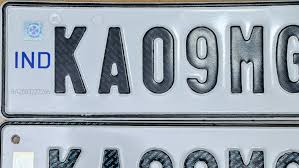
If you’ve owned a vehicle for a long time, you probably remember a time when number plates were the simplest part of the whole system. You’d buy a car or bike, visit a shop outside the RTO, and they’d make the plate in about ten minutes. Job done.
No one thought twice about it.
But over the years, things started changing. Authorities began noticing problems — duplicated plates, stolen vehicles running around with fake registrations, and a general lack of standardization across states. It wasn’t a massive crisis, but it was messy enough that the government decided something had to improve.
That’s where High Security Registration Plates, or HSRP, came in.
The idea behind HSRP is fairly simple: create a standardized number plate system that’s harder to copy, easier to track, and consistent across the country. It’s not the most exciting topic in the world, sure. But when you look at the bigger picture, it actually makes a lot of sense.
For vehicle owners, the main question usually isn’t why HSRP exists — it’s how to get it done without unnecessary hassle.
What Makes an HSRP Plate Different?
At first glance, an HSRP plate looks similar to the regular plates many vehicles have had for years. Same rectangular shape, same reflective surface, same familiar registration number.
But the differences show up once you look closer.
These plates are made from aluminum and include built-in security features designed to prevent tampering. There’s a chromium hologram stamped into the plate, along with a unique laser-etched serial number that links the plate directly to a specific vehicle in the national database.
Perhaps the most important detail is the installation method. Instead of regular screws, HSRP plates are attached using special snap locks that cannot be removed without breaking them. That makes it extremely difficult to swap plates between vehicles.
All of this helps authorities verify vehicle identities quickly — especially in cases involving stolen vehicles or traffic violations.
It’s a small piece of hardware, but it plays a surprisingly important role.
Why Older Vehicles Need to Upgrade
Vehicles sold after April 2019 generally came with HSRP plates already installed by dealerships. Buyers didn’t need to worry about it because the plate was included as part of the registration process.
Older vehicles are a different story.
Millions of cars and bikes registered before that year still carry traditional plates made by local vendors. Those plates were perfectly legal at the time, but they don’t meet the current security standards.
That’s why many state transport departments have been gradually asking owners of older vehicles to switch to HSRP plates.
For many drivers, the easiest way to handle this is through hsrp plate booking using official online portals. Instead of standing in long lines at government offices, vehicle owners can now schedule the installation with just a few clicks.
And honestly, that convenience has made a big difference in how people approach the process.
How the Online Booking Process Works
One of the reasons people delay vehicle-related tasks is the assumption that the process will be complicated. Government forms have a reputation for being… well, exhausting.
But booking an HSRP plate online is actually quite straightforward.
You start by visiting an authorized portal linked to your state transport department or approved vendors. The system will ask for basic vehicle details such as:
- Registration number
- Chassis number (usually the last five digits)
- Owner name
- Mobile number for verification
Once the system confirms the vehicle information, you can select a nearby fitment center. From there, you simply choose a date and time slot that works for you.
Payment is usually completed online, and after that you’ll receive a confirmation message with your appointment details.
From start to finish, the entire process typically takes less time than ordering food online.
What Happens During the Installation
On the day of the appointment, you drive your vehicle to the selected fitment center. There’s usually a small team responsible for installing the plates.
The technician verifies your booking details, prepares the plates, and installs them using the official snap-lock system.
The installation itself is quick — often around fifteen minutes.
During the same visit, a color-coded fuel sticker may also be applied to the windshield. This sticker indicates whether the vehicle runs on petrol, diesel, CNG, or electricity.
Once the plates and sticker are installed, the process is complete.
No additional visits. No further paperwork.
Most people walk away thinking, “That was easier than expected.”
A Quick Look at the Situation in Karnataka
In southern states like Karnataka, the push toward HSRP compliance has been gaining momentum in recent years.
Many vehicle owners who registered their vehicles before 2019 are now upgrading to meet the new guidelines. Naturally, searches related to hsrp number plate Karnataka have increased as drivers try to understand the correct procedure.
The state government has authorized specific vendors and online platforms to manage the booking and installation process. This helps ensure that plates are produced according to the national security standards and properly linked to the vehicle database.
For drivers in cities like Bengaluru, Mysuru, or Hubballi, the process usually involves choosing an approved fitment center and booking a convenient time slot.
The demand can sometimes increase when enforcement drives are announced, which is why many vehicle owners prefer to complete the process earlier rather than waiting until the last minute.
Common Mistakes That Slow Things Down
Even though the process is simple, a few small mistakes can create unnecessary delays.
One of the most common issues is entering the wrong chassis number during booking. Because the system verifies your vehicle details with official records, even a small typo can cause the booking to fail.
Another mistake is missing the appointment slot. Fitment centers often run on tight schedules, and arriving too late might mean rescheduling.
It’s also a good idea to keep your booking confirmation on your phone. Most centers ask to see it before starting the installation.
A quick double-check before submitting the form can save a lot of trouble later.
Why It’s Better Not to Delay
Many vehicle owners put off tasks like this simply because there’s no immediate pressure. The car works fine, the plate looks fine — so why rush?
But as enforcement becomes stricter in many states, traffic authorities have started issuing fines to vehicles that still use older plates.
Waiting until the last minute can also make booking appointments harder, especially when many people try to schedule installations at the same time.
Handling the process early means you can choose a convenient time and avoid unnecessary stress later.
A Small Upgrade That Quietly Improves the System
At the end of the day, changing a number plate isn’t exactly thrilling. It’s not like upgrading your car’s sound system or planning a long road trip.