
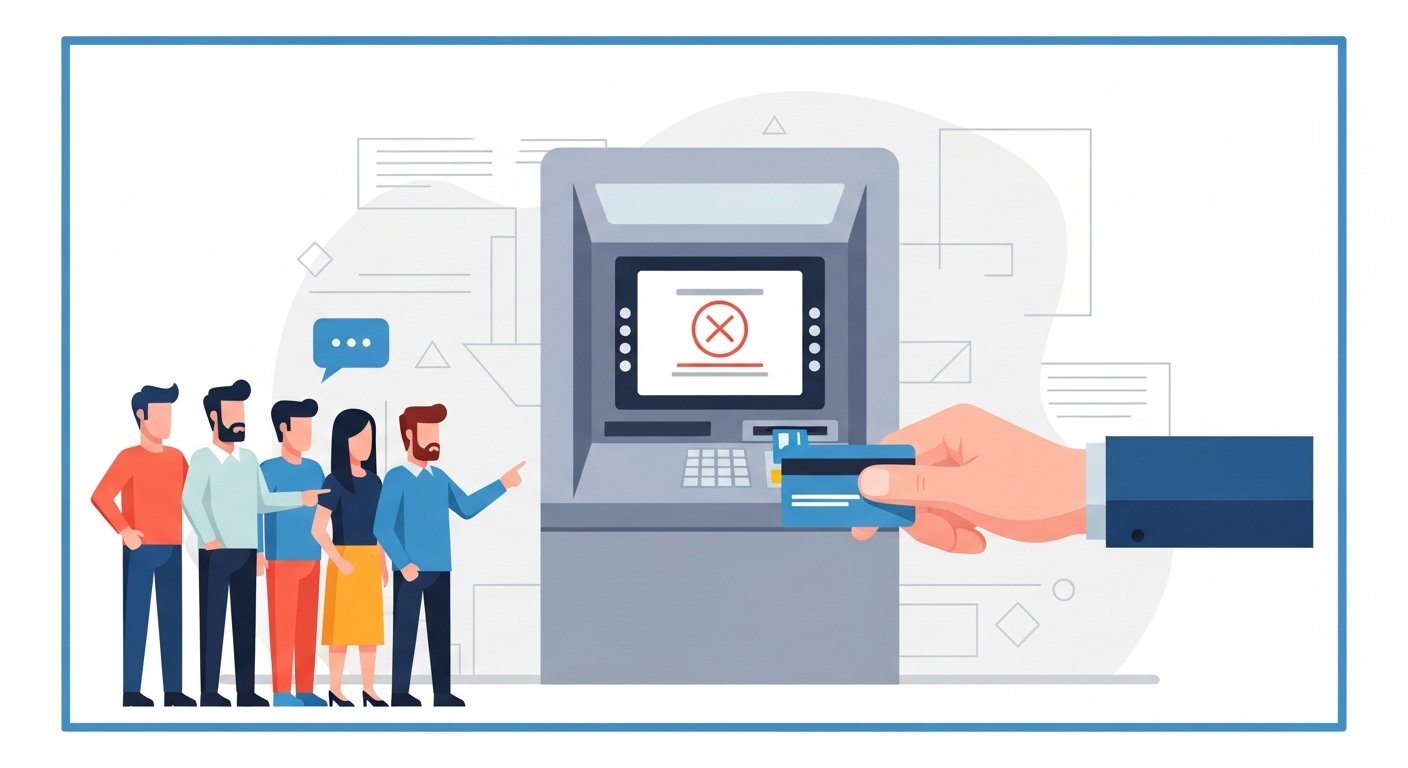
There’s a very particular kind of anxiety that hits when you check your bank account late at night and notice a transaction you didn’t make. It’s a mix of disbelief, panic, and that sinking feeling in your stomach. You know you didn’t spend that money, yet the numbers on your screen insist otherwise. In today’s digital banking era, such situations are becoming increasingly common, and understanding how to respond can save both your money and your peace of mind.
I remember the first time I noticed an unauthorized debit from my account. I had just returned from a busy week of work, planning to settle some bills online, when I saw a deduction labeled for a vendor I had never interacted with. My heart skipped a beat. The immediate thought? “Am I losing money I’ll never get back?” It was a stark reminder that even in a system designed for convenience, human error, technical glitches, and outright fraud can creep in at any moment.
The first step in situations like these is to act quickly. Contact your bank immediately, provide details of the unauthorized transaction, and formally file a bank account fraud transaction complaint Banks usually have 24/7 helplines and online portals for such complaints, and the sooner you report the issue, the better your chances of freezing the transaction before it escalates. Collect any evidence—screenshots, notifications, emails—and make sure you note down the transaction ID, amount, and timestamp. It may feel tedious, but thorough documentation can make the difference between a speedy resolution and weeks of back-and-forth.
Most people find the process intimidating at first. Banks can seem like enormous institutions, and it’s easy to feel like your complaint is just a tiny drop in a massive ocean. But in my experience, persistence pays off. Once you file a complaint, the bank assigns a reference number and begins investigating. They’ll track the transaction, verify details, and sometimes coordinate with other banks if the money has moved elsewhere. It’s not always instant, but knowing that there’s a structured process can ease some of the stress.
Of course, not all fraudulent transactions are as simple as a single mistaken debit. Some involve multiple withdrawals, phishing scams, or unauthorized online payments. These are where bank fraud transaction complaints come into play. Unlike a simple wrong transaction, these complaints require a more formal investigation and often involve security teams within the bank. They may ask you additional questions to verify your identity, review your recent transactions, and even involve law enforcement if the amounts are significant.
I recall a friend of mine whose account was compromised through a phishing email. Within hours, multiple small transactions were made, each just under the alert threshold. Panic set in, but once she filed her bank fraud transaction complaints, her bank froze her account and reversed most of the debits. It wasn’t instantaneous, but the structured approach gave her a sense of control during an otherwise terrifying experience.
These incidents underscore a broader point: digital financial literacy is more important than ever. Understanding the mechanisms to report and resolve fraudulent activity is just as vital as knowing your account balance. Many people don’t realize that banks have formal processes in place for both bank account fraud transaction complaint and bank fraud transaction complaints—they’re not optional, bureaucratic hurdles, but essential tools for safeguarding your funds.
Documentation, in particular, cannot be overstated. Screenshots, email confirmations, and even brief notes of phone calls with bank representatives help create a trail of evidence that strengthens your case. Banks are busy, but clarity and thoroughness on your end can accelerate the resolution. Think of it as creating a paper trail for the digital world—small steps that make a huge difference.
Technology itself can also be an ally in these situations. Many banks now have real-time alerts, AI-driven fraud detection, and in-app complaint submission options that make reporting faster and more reliable. While these tools help, they don’t replace vigilance. Double-checking transactions, monitoring statements regularly, and immediately reporting suspicious activity are still your first lines of defense.
Another key point is patience. The investigation process can sometimes take days or even weeks. It’s natural to want instant resolution, especially when your hard-earned money is involved. But banking fraud investigations often involve verifying multiple channels, tracing the movement of funds, and ensuring compliance with legal protocols. Keeping a calm and methodical approach—documenting, following up, and trusting the process—usually yields the best outcomes.
There’s also an emotional side to consider. Experiencing a fraudulent transaction can shake your confidence in digital banking. You may feel violated, frustrated, or stressed. I’ve seen people hesitate to use online services again, but avoiding digital banking isn’t the solution. Instead, arming yourself with knowledge, keeping your security details private, and understanding how to file a bank account fraud transaction complaint or bank fraud transaction complaints empowers you. Awareness and prompt action reduce vulnerability and help restore trust in the system.
Preventive measures are equally important. Use strong, unique passwords for online banking, enable two-factor authentication wherever possible, and regularly monitor your account statements. Avoid clicking on suspicious links or sharing OTPs with anyone. Small habits like these dramatically reduce the likelihood of needing to file fraud complaints in the first place.
At the end of the day, banking fraud is stressful, but not insurmountable. Mistakes, unauthorized debits, and scams are a reality of the digital age, but banks provide mechanisms to help recover lost funds and prevent further loss. Filing a bank account fraud transaction complaint or following up with bank fraud transaction complaints might feel daunting at first, but it’s a structured process designed to protect you.