
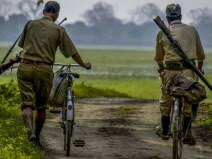
There’s a certain kind of silence that only exists near forests. Not the empty kind, but the living one—rustling leaves, distant calls, the sense that things are happening even when you can’t see them. For many people considering forest department jobs, that silence is part of the attraction. It represents distance from chaos, from unstable careers, from the constant pressure to keep proving your worth every six months.
Forest department roles don’t usually make headlines. They don’t trend on social media. And yet, year after year, thousands of applicants wait for notifications with almost ritualistic attention. It’s not hype-driven ambition. It’s something steadier. A belief that this path, though slow, leads somewhere solid.
Most people arrive here indirectly. A friend mentions it. A relative suggests it over dinner. Someone in the village got selected last year and suddenly, it feels possible. You start reading notices, joining groups, asking questions you never thought you’d ask. “What’s the syllabus?” “Is the physical test tough?” “Are transfers compulsory?” Slowly, curiosity turns into commitment.
The idea of van vibhag recruitment carries different meanings for different people. For some, it’s a chance to finally secure a government job after years of trying elsewhere. For others, it’s about the nature of the work itself—being outdoors, doing something that feels tangibly useful. And for a few, it’s simply practical: stability, benefits, and a predictable future in an unpredictable world.
The range of jobs surprises many first-time aspirants. It’s not all forest guards patrolling with sticks and binoculars. There are clerical roles, technical posts, drivers, survey assistants, nursery workers, and more. Some positions involve heavy fieldwork, others are desk-based. Some require physical endurance, others demand paperwork patience. Understanding this early helps avoid mismatched expectations.
Preparation, though, is where reality hits. Written exams may seem manageable on paper, but competition is intense. General knowledge, reasoning, environmental studies—it adds up. Then come physical tests, which are often underestimated. Long walks, endurance checks, measurements. Candidates who’ve focused only on books often regret ignoring fitness. It’s a humbling lesson.
What doesn’t get discussed enough is the waiting. Notifications come late. Results come later. Sometimes, there’s no update for months. Life continues in the background—jobs, family responsibilities, self-doubt. Some candidates keep checking websites obsessively. Others stop looking, convinced silence means rejection. Anyone who’s been through it knows that strange emotional limbo.
Families usually have mixed reactions. Parents tend to like the idea of a government job. There’s comfort in that word alone. But forest postings can be remote, far from cities, and that raises concerns. “What about facilities?” “What if you’re posted too far away?” These aren’t unreasonable fears. Aspirants often find themselves negotiating between personal ambition and family expectations.
When a van vibhag vacancyp is announced, it creates a ripple effect. Coaching centers suddenly fill up. Old notes reappear. Group studies restart. There’s a shared urgency, a feeling that this could be someone’s chance. Not everyone says it out loud, but everyone feels it.
The work itself, once selected, is rarely glamorous. There’s paperwork. Plenty of it. There are rules that feel outdated and systems that move slowly. Transfers happen. Weather doesn’t cooperate. Wildlife doesn’t follow schedules. It’s not an Instagram-friendly job, and that’s probably why it stays honest.
But there’s also something quietly rewarding about it. Being part of a department that protects land, manages resources, and balances human needs with environmental realities gives the work weight. You may not see the impact every day, but over time, it’s there—in healthier forests, in controlled damage, in systems that hold.
Technology has changed things more than people realize. GPS mapping, digital records, online monitoring tools—they’ve all found their way in. Younger recruits bring comfort with tech, older staff bring experience. It’s not a perfect blend, but it’s evolving. Slowly, like everything else in government systems.
One of the biggest misconceptions is that these jobs are “easy” once you’re in. They’re not. They demand discipline, adaptability, and a willingness to work without constant validation. Promotions are structured, not rapid. Recognition is subtle. If you need constant excitement or fast growth, frustration sets in quickly.
Yet, for those who value routine, respect, and long-term security, it fits. There’s a rhythm to the work. Mornings start early. Days have purpose. Evenings feel earned. Over time, the job becomes part of your identity—not in a loud way, but in a grounded one.