
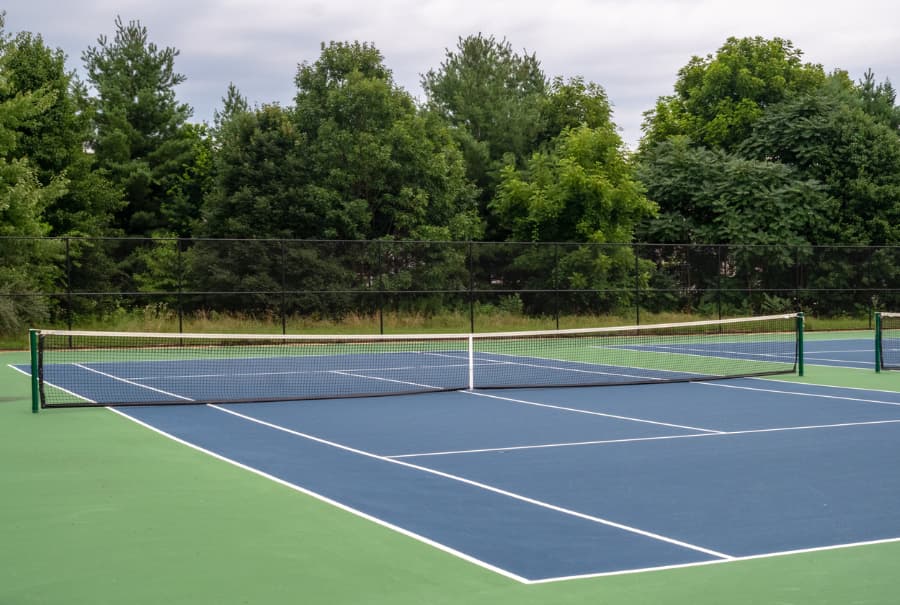
There’s a certain optimism that comes with planning a tennis court. On paper, it’s exciting — clean lines, fresh surface, the idea of rallies echoing across a brand-new space. Whether it’s for a private home, a school, or a community club, the vision is usually clear. What’s less obvious, and far more important, is who you hand that vision to.
Because a tennis court isn’t just a project. It’s a long-term relationship with the ground beneath your feet.
I’ve spoken to people who thought they were “just building a court” and ended up learning more about soil composition, drainage, coatings, and maintenance cycles than they ever expected. And almost every one of them said the same thing afterward: the outcome depended less on the surface they chose and more on the people who built it.
A good tennis court construction company doesn’t just follow instructions. They ask uncomfortable questions early. How will this court be used five years from now? Who’s playing on it — kids, competitive adults, casual hitters? What does the local climate do in winter? In summer? These aren’t delays or complications. They’re warning signs that someone actually knows what they’re doing.
The problem is, from the outside, many builders look the same. Polished websites. Glossy photos. Confident promises. But courts have a way of revealing shortcuts over time. Small cracks turn into big ones. Drainage that “should be fine” suddenly isn’t. And by the time issues show up, the crew that built it may be long gone.
Experience shows up in subtle ways. Proper base preparation. Attention to slope that’s invisible but essential. Letting materials cure fully instead of rushing the schedule. None of this is dramatic. All of it is crucial.
There’s also an art to translating expectations. A homeowner might say, “I want something low maintenance,” without realizing what that actually means in their climate. A school might want durability above all else, even if the surface feels a bit firmer. A skilled contractor helps define those priorities honestly, not just nod along and invoice later.
Of course, builders don’t work alone. Materials matter, and the source of those materials matters just as much. Choosing a reliable tennis court flooring manufacturer isn’t about brand loyalty or marketing hype. It’s about consistency. Coatings that behave the same way year after year. Systems that have been tested in real conditions, not just lab samples.
I’ve heard stories of surfaces that looked incredible on installation day but faded, hardened, or peeled far too soon. In almost every case, the issue wasn’t misuse — it was material quality paired with unrealistic expectations.tennis court flooring manufacturer A trustworthy manufacturer will be upfront about lifespan, maintenance needs, and what their product can’t do just as much as what it can.
What’s interesting is how often the best results come from collaboration. When the builder and manufacturer communicate openly, problems get solved before they exist. Adjustments are made for local conditions. Small tweaks prevent big failures. It’s not glamorous, but it’s effective.
There’s also a human element here that tends to get overlooked. Courts are built for people, not specs. The way a surface feels underfoot. How forgiving it is during long sessions. Whether it encourages confidence or caution. These things don’t show up on invoices, but players notice them immediately.
One club manager told me their members didn’t comment much after a renovation — and that was the biggest compliment possible. No complaints. No awkward bounces. No “something feels off.” Just play. Sometimes success is silence.
Maintenance conversations should happen early, not after the ribbon-cutting. A responsible builder will talk about resurfacing timelines, cleaning routines, and realistic wear. Not because they want future work, but because they want the court to age the way it’s supposed to. A well-maintained court doesn’t just last longer; it plays better throughout its life.
It’s tempting to focus on upfront cost. Budgets are real, and no one wants to overspend. But courts punish false economies. Saving a little at the beginning can mean paying a lot later — in repairs, resurfacing, or even full reconstruction. The cheapest option is rarely the most affordable over time.