
I still chuckle when I think about the first time I bought a pair of glasses. I was 16, convinced that tinted lenses would make me look effortlessly mysterious. Spoiler: I just looked like someone who hated sunlight and bright colors. But that moment — awkward, earnest, and a little bit embarrassing — was my first real brush with the world of eyewear retail. Strange, right? Most people don’t think about glasses beyond “I need them” or “these make me look cool.” But the business behind them? Oh, that’s a whole other story.
Over the past few years, I’ve found myself drawn to how the eyewear industry has quietly exploded, especially in markets like India. Frames have become fashion statements, eye health has taken center stage, and reputed brands have woven themselves into mainstream conversations about style and service. It’s like the world blinked and suddenly realized we all needed to see better and look good doing it. That shift hasn’t gone unnoticed by small-business dreamers, either.
Some of them are dipping their toes into franchising — not just any franchise, but optical outlets that promise brand recognition, operational support, and an existing customer base. If you’ve ever wondered what’s behind that buzz, you’re not alone.
The Changing Face of Eyewear Retail
Think about this: not too long ago, getting your eyes checked meant a stiff waiting room, bland décor, and zero aesthetic to speak of. Today, I find myself walking into stores that feel like a blend of tech showroom and fashion boutique. There’s music, there’s style, and there’s a curious mix of clinical professionalism and trendiness.
Eyewear isn’t just about seeing anymore — it’s about feeling seen. And companies that understand that double meaning are the ones flourishing. They’re also catching the eye of investors and franchise hopefuls who want in on a market that seems positioned for long-term growth.
The shift didn’t happen overnight. It evolved, with tech improvements, rising disposable incomes, and a desire for products that marry form and function. Suddenly, owning a business that sells glasses feels less like being stuck in a dusty corner shop and more like running a lifestyle-forward service that meets real needs.
And that brings us to the heart of why some people are considering franchising in this space.
What It Takes to Join the Movement
For tons of aspiring business owners — folks who’ve got guts and grit but maybe not a fully fleshed-out idea yet — franchising can feel like a good halfway point. It’s far more structured than starting from scratch, but it still gives you room to grow into entrepreneurship at your own pace.
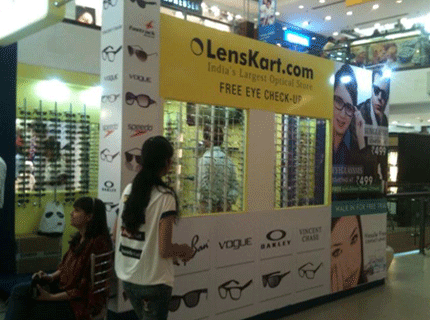
If you wander over to some of the official portals of major optical chains, you’ll find options to lenskart com franchise with relative ease. That isn’t just clickbait-friendly copy — it’s a real path someone can take, right from their laptop or phone. You start with a form, share a few details, and soon enough you might find yourself having preliminary chats with brand reps who explain the vision, support system, and yes, the responsibilities.
It’s a bit like filling out a really optimistic job application — except this one could turn into your own business. And maybe with better coffee moments, too.
It’s human nature to be a little skeptical about paperwork and forms. But this process is designed to make sure both you and the brand are a solid match. They want enthusiastic, responsible partners, and you want a model that has traction, credibility, and potential. That alignment is what makes franchising appealing.
Numbers and Realities: What People Really Ask
Okay, let’s get to the part that makes most folks raise an eyebrow: money. I get it. You can dream all day long, but if you don’t have a firm grip on the financial side, you’re going to hit reality like it’s a cold shower.
The first thing people ask is — how much does this actually cost? When interested entrepreneurs start digging, they inevitably hit terms like lenskart franchise apply in brochures, FAQs, or business opportunity pages. And yeah — that’s the question that keeps folks up at night.
From everything I’ve pieced together talking with people in the business, the initial investment varies. You’re not just buying a shop space or a signboard. You’re investing in a recognized brand identity, trained support, inventory systems, staff training programs, and customer service frameworks. All of this counts. That’s what stands between a simple retail outlet and a functioning, reputable optical franchise.
Some people are cool with that. Others… not so much. I once met someone who looked at the upfront expenses and said, “I thought I was signing up for a lemonade stand, not a spaceship launch.” Funny, right? But his point was valid — franchising, especially for a service-oriented retail business, isn’t cheap. That’s why doing the math early on matters. And not just the math you scribble on a napkin either — the thoughtful kind that factors in rent, salaries, slow months, equipment leases, and unexpected hiccups.
Still, intangible benefits count too. A trusted name on your store’s façade can draw customers off the street. A tested business model can help you avoid rookie mistakes. The brand’s marketing muscle might bring footfall you couldn’t generate on your own. That’s worth thinking about — really worth thinking about.
Real People, Real Dreams, Real Choices
One of my favorite stories comes from a friend who opened a small café a few years back. She wasn’t in it for fame, nor did she have a grand plan to become the next hospitality mogul. She just wanted a cozy spot where neighbors could gather. She loved the idea of making connections — over coffee, over shared pastries, over awkward conversations about the weather.
Franchising isn’t unlike that in one major way: it’s about community. Yes, you’re selling products and services. Yes, you want profit. But you’re also creating an environment where people feel comfortable, understood, and well-served. That’s the emotional currency that keeps them coming back.
Whether you’re drawn to eyewear franchising as a business opportunity or a chance to build something meaningful — or both — it pays to think beyond the numbers. Ask yourself why you want in. Is it the brand name? The support structure? The love of fashion and eye health? The desire to help people feel confident when they look in the mirror?
There’s no single right answer. But leaning into that query — the why — can really clarify whether this path fits you.
Wrapping Up Without Wrapping Too Tightly
I could go on about trends, customer behavior, and market forecasts, but let’s be honest — you get the gist. The eyewear business is no longer that dim shop in a forgotten corner mall. It’s vibrant, evolving, and, yes, competitive. Franchising with a reputable brand offers a way in, but it’s no walk in the park.