

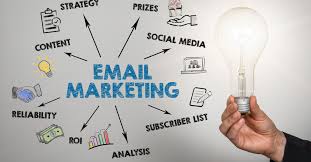
Why Your Emails Get Ignored
Open your inbox right now. How many unread emails are sitting there? Dozens? Hundreds?
Your subscribers' inboxes look the same. They're drowning in generic newsletters, desperate sales pitches, and "just checking in" messages that say nothing.
Your email isn't competing with other marketing emails. It's competing with messages from their boss, texts from friends, and notifications from every app on their phone. If your subject line doesn't immediately promise value or spark curiosity, it dies unread.
Here's what's actually killing your email marketing: you're treating 10,000 subscribers as one person. You're sending the same message to someone who bought from you yesterday and someone who signed up six months ago but never opened an email. You're ignoring behavior and blasting content.
That stops today.
Segmentation: The Difference Between 2% and 20% Open Rates
The average email open rate across industries hovers around 21%. But top performers see rates of 40-50%. The difference? They've stopped sending mass emails.
Segmentation isn't just tagging subscribers by demographics. It's about understanding behavior and intent.
Engagement-based segmentation is your first move. Split your list into three groups: hot (opened or clicked in the last 30 days), warm (opened in the last 90 days), and cold (no activity in 90+ days).
Your hot list gets your best content first—new product launches, premium offers, insider updates. They've proven they care. Reward that.
Your warm list needs re-engagement. Send them your highest-performing content from the past quarter. Remind them why they subscribed. Ask what they want to hear about.
Your cold list? Send a breakup email. "We've missed you. If you still want to hear from us, click here. If not, we'll unsubscribe you." This sounds counterintuitive, but cleaning dead weight improves deliverability for everyone else. Plus, some people will re-engage just because you asked honestly.
Purchase behavior segmentation separates buyers from browsers. Someone who purchased once should receive different emails than someone who's bought five times. Your repeat customers don't need convincing—they need exclusivity and early access. Your one-time buyers need reminders of what they're missing.
Interest-based segmentation tracks what people actually click on. If someone clicks every email about content marketing but ignores your design tips, stop sending design tips to them. Use link tracking to build preference profiles automatically.
One e-commerce brand segmented their list by product category interest and saw a 47% increase in click-through rates. They stopped asking everyone to care about everything.
Personalization Beyond "Hey [First Name]"
Real personalization isn't inserting someone's name into the subject line. It's using data to make every email feel like it was written specifically for that person.
Dynamic content blocks change based on subscriber data. An email to a subscriber in Nairobi shows different product availability than one to someone in New York. A subscriber who abandoned a cart sees those exact products in their next email.
Behavioral triggers send emails based on actions, not schedules. Someone downloads your lead magnet? They get an automated sequence teaching them how to use it. Someone visits your pricing page three times? They get a case study showing ROI.
Send-time optimization uses AI to deliver emails when each individual subscriber is most likely to open them. Some people check email at 6 AM. Others at 9 PM. Stop sending everyone emails at the same time.
A SaaS company implemented send-time optimization and saw open rates jump from 23% to 34% without changing anything else. Same subject lines. Same content. Just better timing.
Subject Lines That Actually Get Opened
Your subject line has one job: get the email opened. Not to tell the whole story. Not to be clever for cleverness' sake. Just get the click.
Curiosity gaps work—but only if you deliver on the promise. "The mistake 90% of marketers make" creates intrigue. But if your email doesn't actually reveal a specific mistake with a solution, you've burned trust.
Specificity beats vagueness every time. Compare these:
- "Marketing tips for your business" vs. "How we got 2,847 email subscribers in 30 days"
- "New product announcement" vs. "You asked for it. Here's the feature."
The specific versions tell you exactly what you're getting. No guessing required.
Questions engage when they're relevant. "Are you making this SEO mistake?" works better than "SEO tips inside" because it creates a knowledge gap that needs filling.
Emojis can increase open rates by 10%—but only if your audience expects them. B2B audiences often find them unprofessional. E-commerce and lifestyle brands can use them freely. Know your audience.
Test everything. What works for one industry bombs in another. A skincare brand found that subject lines with "secret" increased opens by 28%. A financial advisor found the same word decreased opens by 15%. Your audience is unique.
The Email Body: Stop Selling, Start Serving
Here's a radical idea: most of your emails shouldn't sell anything.
The 80/20 rule applies here. Eighty percent of your emails should educate, entertain, or provide value. Twenty percent can ask for the sale. When you do this, that 20% converts at rates that seem impossible.
Story-driven emails outperform feature lists by massive margins. Don't tell me your project management tool has 47 features. Tell me about the startup founder who stopped working weekends because your tool saved them 10 hours a week. I'll remember the story. I'll forget the feature list.
Scannable formatting is non-negotiable. Short paragraphs. Subheadings. Bullet points where appropriate. White space. Most people scan emails on mobile while standing in line at coffee shops. Make it easy.
One clear call-to-action per email. Not three buttons competing for attention. One primary action you want people to take. If you're announcing a sale, the CTA is "Shop Now," not "Follow us on Instagram" or "Read our blog."
P.S. sections get read more than body copy. Seriously. Eye-tracking studies show people scan to the bottom of emails looking for the P.S. Use it strategically. Add urgency. Include a secondary offer. Reinforce the main CTA.
Automation That Feels Human
Set-it-and-forget-it automation is lazy marketing. Set-it-and-optimize-it automation is smart marketing.
Welcome sequences are your highest-leverage opportunity. Someone just raised their hand and said they want to hear from you. Don't waste it with a single "Thanks for subscribing!" email.
Build a 5-7 email sequence over two weeks:
- Email 1: Deliver what you promised (lead magnet, discount, etc.)
- Email 2: Share your origin story—why you do what you do
- Email 3: Provide quick-win value content
- Email 4: Address the biggest objection to buying
- Email 5: Social proof—testimonials and case studies
- Email 6: Soft pitch with a special offer
- Email 7: Last chance for the offer
One consultant implemented this exact sequence and saw 32% of new subscribers become customers within the first month.
Abandoned cart emails recover 10-15% of lost sales on average. But most brands send one email. Winners send three:
- Email 1 (1 hour later): "Forget something?" with cart contents
- Email 2 (24 hours later): Address common objections with FAQs
- Email 3 (72 hours later): Add urgency with limited inventory or expiring discount
Re-engagement campaigns win back dead subscribers. After 90 days of inactivity, send a three-email sequence:
- Email 1: "We miss you" with your best content
- Email 2: "What do you want to see?" survey
- Email 3: "Last chance" before unsubscribing them
This might seem counterintuitive, but it improves deliverability and engagement rates for your active list.
Deliverability: The Invisible Killer
You can write the perfect email, but if it lands in spam, none of it matters.
Authentication protocols are mandatory. Set up SPF, DKIM, and DMARC records. This sounds technical, but your email service provider has step-by-step guides. Without these, major email clients flag you as suspicious.
Engagement rates matter more than list size. Gmail and Outlook watch how people interact with your emails. High open rates signal quality. High spam complaint rates get you blacklisted. It's better to have 1,000 engaged subscribers than 10,000 dead ones.
Avoid spam trigger words—but not the ones you think. "Free" and "Buy now" aren't automatic spam flags anymore. What triggers filters are ALL CAPS SUBJECT LINES, excessive exclamation points!!!, and misleading subject lines that don't match body content.
Warm up new domains slowly. Starting with a new email address? Don't immediately send to your entire list. Start with 50 emails to your most engaged subscribers. Gradually increase volume over 2-3 weeks. This builds sender reputation.
Metrics That Tell the Truth
Open rates lie. Or at least, they're misleading. Apple's Mail Privacy Protection has made them less reliable. Focus on these instead:
Click-through rate shows actual engagement. Someone clicking a link took action. That's real interest.
Conversion rate from email to desired action—purchase, sign-up, download. This is your north star metric.
Revenue per email matters more than revenue per campaign. If you send 100 emails and make $1,000, that's $10 per email. Improve this number and everything else improves.
List growth rate minus churn reveals health. If you're adding 100 subscribers but losing 80 to unsubscribes, you're barely growing. Fix retention before focusing on acquisition.
The Mobile-First Reality
Over 60% of emails are now opened on mobile devices. If your email doesn't work perfectly on a phone, you've lost the majority of your audience.
Single-column layouts are essential. Complex multi-column designs break on small screens.
Minimum 14px font size for body text. Anything smaller requires zooming. That's friction. Friction kills conversions.
Large, tappable CTA buttons—at least 44x44 pixels. Trying to tap a tiny text link on mobile is frustrating.
Preview text optimization is the hidden subject line. The first 40-100 characters of your email appear next to the subject line in most email clients. Make it count.
Your Email Marketing Resurrection Plan
Start here:
Week 1: Audit your current performance. What's your open rate? Click-through rate? Where are people dropping off?
Week 2: Implement basic segmentation. Create engaged vs. unengaged lists at minimum.
Week 3: Build or fix your welcome sequence. This is your highest ROI opportunity.
Week 4: Test one element. New subject line approach. Different send time. Additional CTA placement.
Email marketing isn't dead. Lazy email marketing is dead. Generic mass blasts are dead. One-size-fits-all approaches are dead.
But targeted, behavior-based, value-first email marketing? It's printing money for brands that do it right.
Your subscribers gave you their email address—one of their most protected digital assets. Honor that trust by sending emails they actually want to receive. Do that, and you'll never worry about open rates again.