
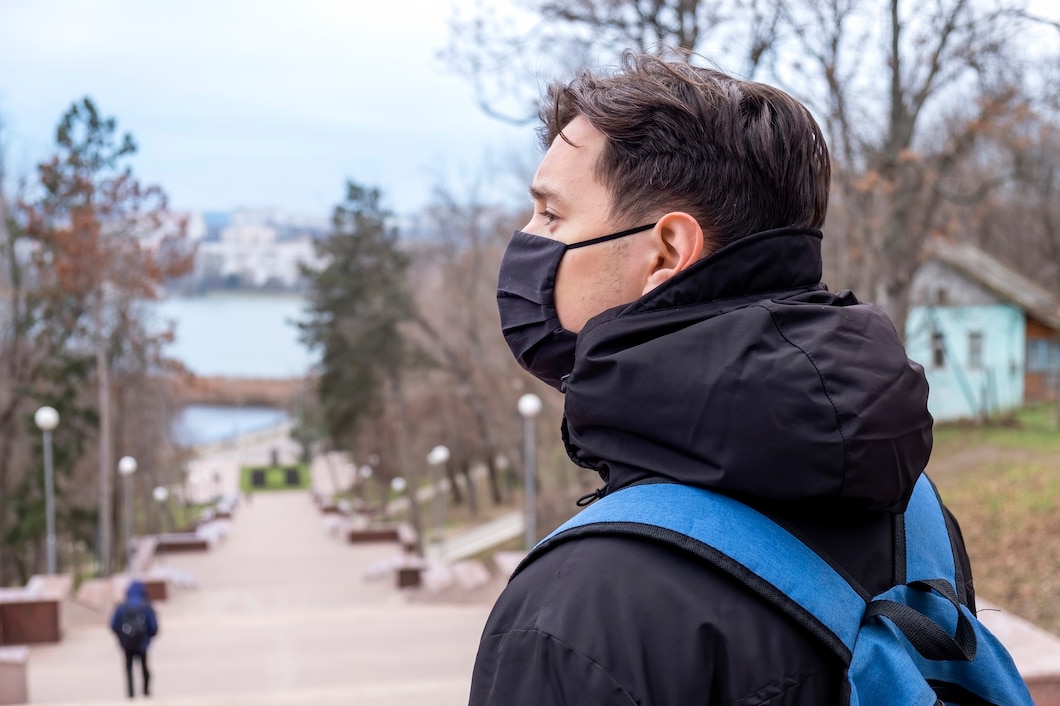
Quick Answer: Breathing problems often increase during winter in Delhi NCR due to rising air pollution, cold temperatures, smog, and weather conditions that trap pollutants close to the ground. Fine particles such as PM2.5 and PM10 can irritate the airways, trigger respiratory allergies, and worsen asthma, COPD, and other lung conditions. If you experience persistent coughing, wheezing, chest tightness, or breathlessness, consult a pulmonologist for proper evaluation and treatment.
Why Does Air Pollution Increase During Winter in Delhi NCR?
Winter weather conditions can prevent pollutants from dispersing into the atmosphere. Temperature inversion, low wind speeds, and reduced atmospheric mixing allow pollution to accumulate near ground level.
Major contributors to winter air pollution include:
- Vehicle Emissions: Smoke and gases released by cars, buses, and other vehicles.
- Construction and Road Dust: Dust particles from construction activities and roads contribute to particulate pollution.
- Industrial Pollution: Industrial emissions release gases and fine particles into the atmosphere.
- Biomass and Waste Burning: Burning of agricultural residue, wood, and waste adds pollutants to the air.
- Weather Conditions: Cold temperatures, stagnant winds, and temperature inversion can increase pollutant concentration near the ground.
These factors combine to create smog and deteriorating air quality across Delhi NCR.
How Does Winter Pollution Affect Your Lungs?
Breathing polluted air exposes the respiratory system to harmful particles and gases. Fine particulate matter can travel deep into the lungs and irritate the airways.
Possible respiratory effects include:
- Airway Irritation: Pollutants can cause coughing, throat irritation, and breathing discomfort.
- Respiratory Allergies: Dust and airborne pollutants may trigger sneezing, coughing, and wheezing.
- Asthma Symptoms: Cold air and pollution can worsen airway inflammation and trigger asthma symptoms.
- COPD Exacerbations: People with COPD may experience increased coughing, mucus production, and breathlessness.
- Reduced Breathing Comfort: Prolonged exposure to polluted air can affect respiratory health, particularly in people with existing lung conditions.
Common Symptoms of Winter-Related Breathing Problems
Watch for these symptoms, especially when AQI levels deteriorate:
- Persistent cough or throat irritation.
- Wheezing or whistling sounds while breathing.
- Chest tightness or discomfort.
- Shortness of breath during routine activities.
- Sneezing and recurring respiratory allergies.
- Increased mucus production.
- Difficulty breathing during physical activity.
People with asthma, COPD, and other respiratory conditions should pay particular attention to worsening symptoms during winter.
Who Is More Vulnerable to Winter Air Pollution?
Although air pollution can affect everyone, certain groups may experience greater respiratory discomfort:
- Children and older adults.
- People with asthma or COPD.
- Individuals with respiratory allergies.
- Patients with chronic lung diseases.
- People exposed to outdoor pollution for extended periods.
- Individuals with a history of smoking or occupational dust exposure.
If you already have a respiratory condition, follow your prescribed treatment plan and consult your doctor if symptoms worsen.
How Can You Protect Your Lungs During Winter?
A few practical precautions can help reduce exposure to harmful pollutants:
- Check the AQI: Monitor local air quality before going outdoors.
- Limit Outdoor Exercise: Avoid strenuous outdoor activities when pollution levels are high.
- Use an N95 Mask: A properly fitted N95 mask can reduce exposure to fine airborne particles.
- Keep Indoor Air Clean: Reduce dust, smoke, and other indoor pollution sources.
- Avoid Smoking: Stay away from tobacco smoke and second-hand smoke.
- Follow Medical Advice: Continue prescribed medication for asthma, COPD, or other lung conditions.
When Should You Consult a Pulmonologist?
Do not ignore persistent coughing, wheezing, chest tightness, or unexplained breathlessness. A pulmonologist can assess your symptoms and recommend appropriate investigations based on your medical history.
If you are searching for a breathing doctor near me, consider consulting Dr Utkarsh Gupta - Lung & Life Clinic for specialized Pulmonology and Sleep Medicine care.
Available diagnostic services include:
- Pulmonary Function Testing (PFT): Evaluates lung function and airflow.
- Allergy and Asthma Testing: Helps identify possible respiratory allergy triggers.
- Chest Radiology: Supports the evaluation of lung and chest conditions.
- Bronchoscopy and EBUS: Specialized procedures used for further respiratory evaluation when clinically indicated.
Dr Utkarsh Gupta provides care for asthma, COPD, respiratory allergies, chronic cough, interstitial lung disease, and other respiratory conditions.
Clinic Address: GF-08, High Street Market, Gaur Saundaryam, Greater Noida W Rd, Noida Extension, Iteda, Greater Noida, Uttar Pradesh 201318.
Conclusion
Winter air pollution in Delhi NCR can affect respiratory health and worsen existing lung conditions. Understanding pollution-related symptoms, reducing exposure, and seeking timely medical advice can help protect your lungs. Dr Utkarsh Gupta - Lung & Life Clinic provides specialized Pulmonology and Sleep Medicine care to support better respiratory health.
Frequently Asked Questions
Q1. Why do breathing problems increase during winter in Delhi NCR?
Ans: Breathing problems may increase due to cold temperatures, low wind speeds, temperature inversion, and rising pollution levels. These conditions can trap pollutants near the ground and worsen respiratory symptoms.
Q2. Can winter air pollution trigger asthma?
Ans: Yes. Cold air, dust, smoke, and other pollutants can irritate the airways and trigger coughing, wheezing, chest tightness, and breathlessness in people with asthma.
Q3. What are the common symptoms of pollution-related breathing problems?
Ans: Common symptoms include persistent coughing, throat irritation, sneezing, wheezing, chest tightness, and shortness of breath.
Q4. Which tests help diagnose breathing problems?
Ans: Depending on symptoms, a pulmonologist may recommend Pulmonary Function Testing, allergy and asthma testing, or chest imaging to evaluate respiratory health.
Q5. When should I visit a breathing specialist?
Ans: Consult a breathing doctor near me if you experience persistent coughing, recurring wheezing, unexplained breathlessness, or worsening asthma and COPD symptoms. Severe or sudden breathing difficulty requires emergency medical attention.