
Sports infrastructure development has become increasingly popular in schools, colleges, residential complexes, clubs, and sports academies. Among the most demanded sports facilities are badminton and tennis courts because these games are widely played for recreation and professional training. Before constructing a sports court, understanding the installation expenses, flooring materials, and maintenance requirements is extremely important.
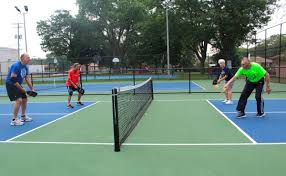
The overall court construction budget depends on several factors such as court size, flooring type, indoor or outdoor setup, lighting systems, fencing, and labor charges. Choosing high-quality materials and professional installation services ensures long-lasting performance and better value for investment.
Importance of Professional Sports Court Construction
A professionally designed sports court improves player safety, performance, and durability. Proper court construction includes surface leveling, drainage systems, shock-absorbing flooring, and accurate court dimensions. High-quality sports flooring also provides better grip, ball bounce, and player comfort.
Modern sports flooring systems such as acrylic, PVC vinyl, synthetic rubber, and wooden flooring are widely used for badminton and tennis courts. These materials are designed to withstand regular usage while maintaining smooth gameplay and surface durability.
The construction budget can vary significantly depending on whether the court is indoor or outdoor. Indoor courts generally require roofing, ventilation, and lighting systems, while outdoor courts need weather-resistant surfaces and proper drainage arrangements.
Factors Affecting Cost of Badminton Court
The overall Cost of Badminton Court depends on several important factors including flooring type, court dimensions, indoor structure, lighting, and seating arrangements. Indoor badminton courts generally require higher investment due to roofing systems, wall padding, and ventilation installation.
PVC vinyl and wooden flooring are among the most preferred choices for indoor badminton courts because they provide excellent cushioning and player comfort. Synthetic acrylic flooring is also used for outdoor badminton courts because of its durability and weather resistance.
Another major factor affecting badminton court pricing is the quality of the base construction. Proper concrete leveling and subfloor preparation are essential for achieving a smooth and long-lasting playing surface. Additional features such as spectator seating, fencing, scoreboards, and customized court branding may further increase the total project budget.
Maintenance expenses should also be considered during planning. High-quality sports flooring systems may require a higher initial investment, but they reduce long-term repair and maintenance costs.
Types of Flooring Used for Sports Courts
Different flooring materials are used according to the sport, location, and budget requirements. Acrylic sports flooring is widely used for outdoor courts because it offers excellent weather resistance and low maintenance.
PVC vinyl flooring is highly preferred for indoor badminton facilities due to its flexibility, shock absorption, and anti-slip properties. Wooden flooring is commonly used in professional indoor sports arenas because it provides premium comfort and excellent playing performance.
Synthetic flooring systems are also gaining popularity because they support multiple sports activities and provide strong durability. These flooring options are available in various colors, textures, and thicknesses according to project requirements.
Understanding Tennis Court Cost
The total Tennis Court Cost depends on factors such as court size, surface material, fencing, lighting, and drainage systems. Tennis courts can be constructed using acrylic hard court surfaces, clay courts, synthetic grass, or cushioned acrylic systems.
Acrylic tennis courts are one of the most popular choices because they are durable, low maintenance, and suitable for different weather conditions. Cushioned acrylic surfaces provide additional comfort and reduce pressure on players’ joints during long matches.
Outdoor tennis courts require proper drainage systems and weather-resistant coatings to maintain long-term durability. Additional installations such as fencing, floodlights, seating areas, and landscaping can increase the overall construction cost.
The location of the project also plays an important role in determining expenses. Labor charges, transportation costs, and material availability may vary depending on the region. Hiring experienced sports flooring contractors ensures better construction quality and long-lasting performance.
Benefits of Investing in Quality Sports Flooring
High-quality sports flooring improves safety, durability, and overall game experience. Professionally installed courts require less maintenance and provide consistent playing performance for many years.
Modern sports flooring systems are designed to resist cracking, fading, and moisture damage. These surfaces also enhance the appearance of sports facilities and increase property value.
Conclusion
Constructing a badminton or tennis court is a valuable investment for schools, clubs, academies, and residential projects. Understanding the cost factors involved in sports court construction helps in proper budget planning and material selection. High-quality flooring systems, professional installation, and durable materials ensure long-term performance and low maintenance expenses. Investing in premium sports infrastructure creates a safe, attractive, and professional environment for players and sports enthusiasts.