

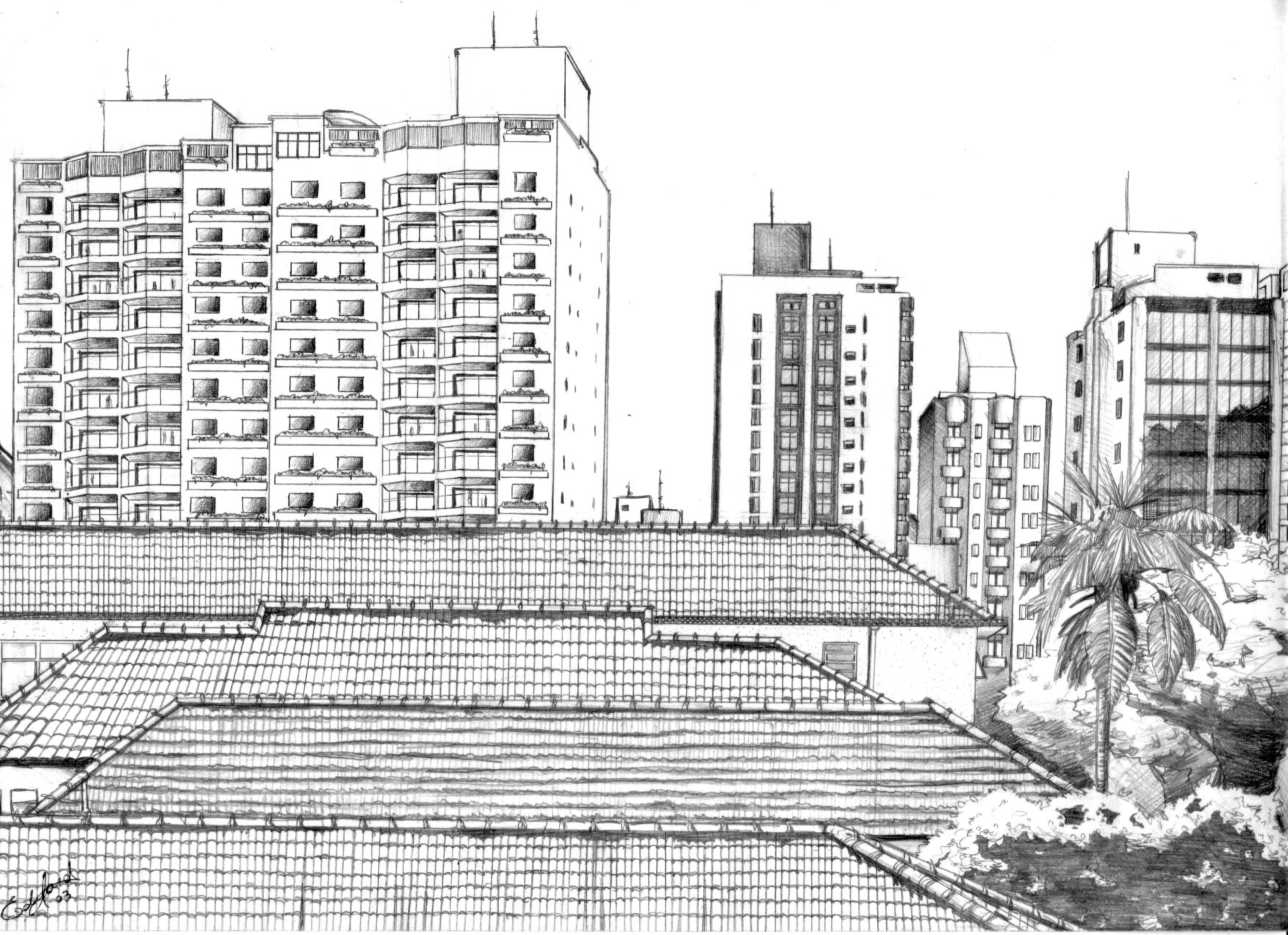
Creating 2D VR architectural landscapes was a unique and deeply immersive artistic process that challenged me to combine realism, creativity, and technical precision. This project was unlike anything I had worked on before, as it required envisioning spaces not just as static illustrations but as dynamic, interactive environments that users could experience in a fully immersive way.
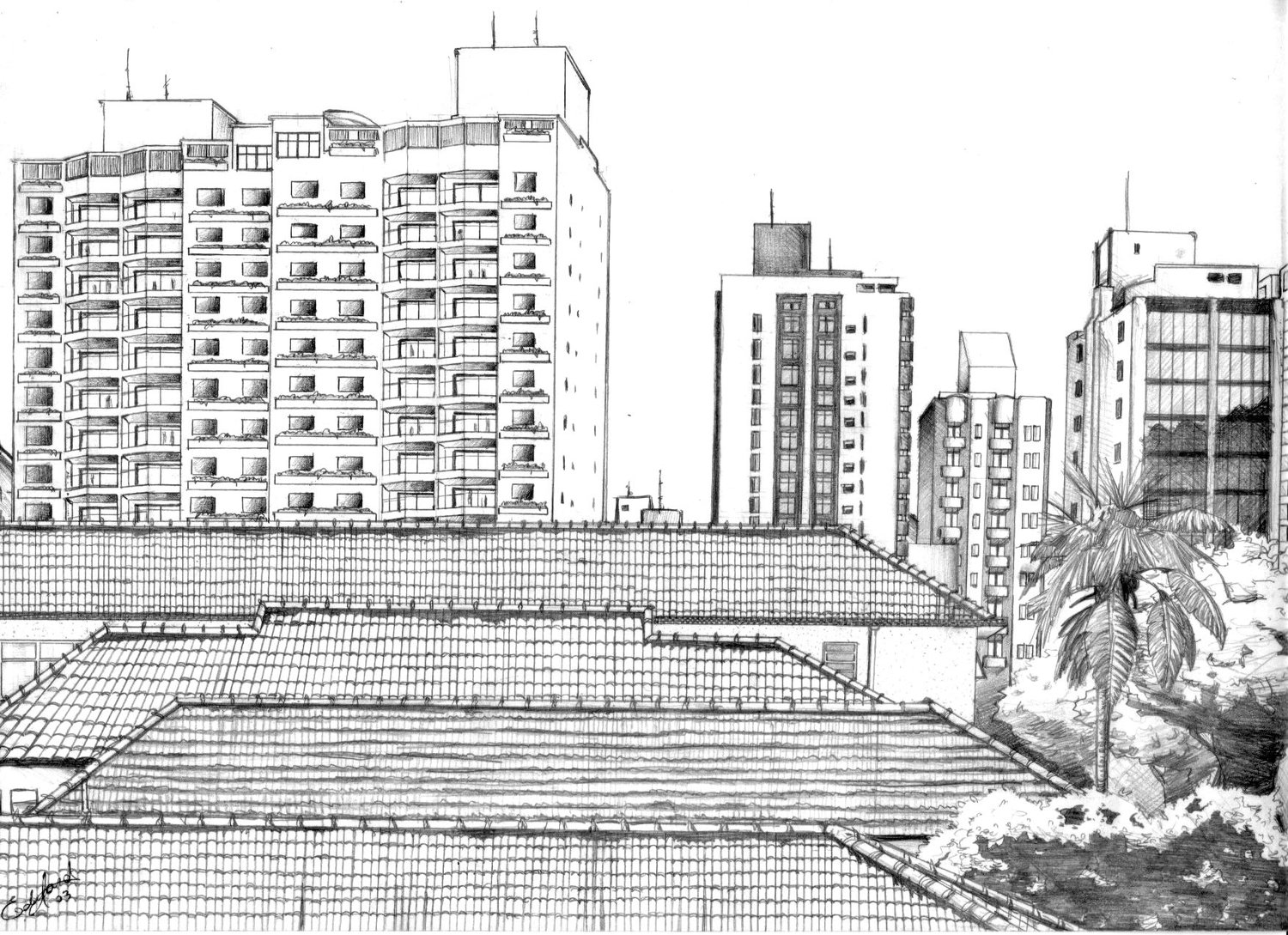
Understanding the Vision and Purpose
The first step was understanding the specific goals for the VR scenarios. Were they meant to showcase modern architectural designs, highlight serene natural environments, or tell a story through spatial exploration? Each project had a purpose, and understanding the user’s journey within the VR space was critical.
Research and Reference Gathering
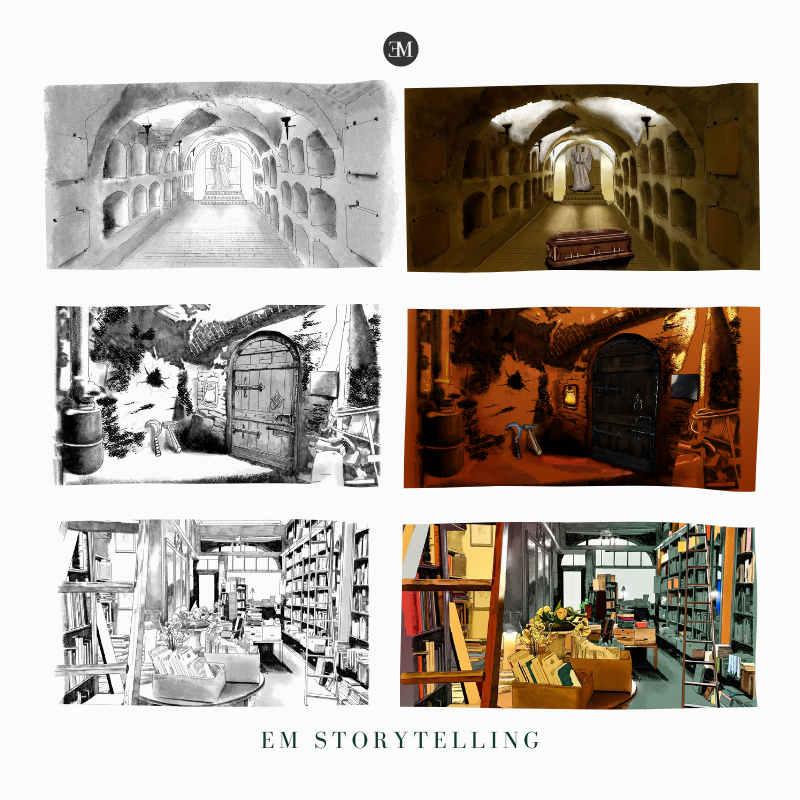
I dove into extensive research to gather references for both the architectural details and the natural landscapes. This included studying real-world structures, lighting conditions, and natural elements like vegetation, water, and atmospheric effects.
I often visited real locations, capturing photographs and videos to understand how light interacts with surfaces, how shadows fall, and how textures bring a scene to life. For architectural elements, I referenced blueprints, floor plans, and 3D mockups provided by collaborators.
Concept Sketching
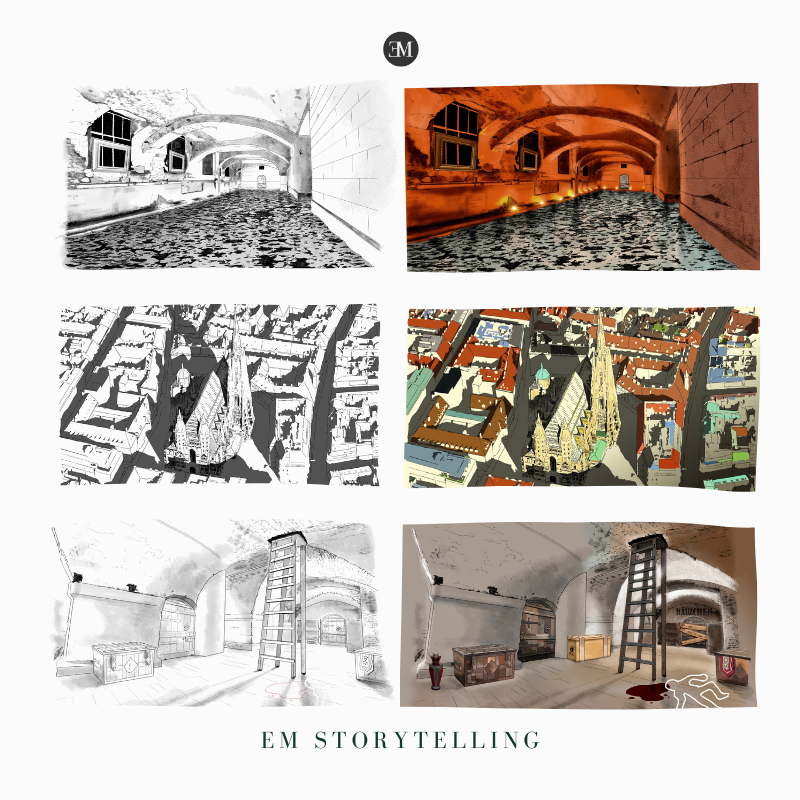
Before diving into detailed illustrations, I created rough concept sketches to block out the compositions. This phase was all about experimenting with layout, perspective, and focal points. In VR, perspective and depth are crucial, as users need to feel immersed in the environment.
My focus was on creating a sense of scale and realism, ensuring that the architecture felt grounded within the landscape. For instance, a modern glass building nestled within a forest needed to feel as harmonious as it did striking.
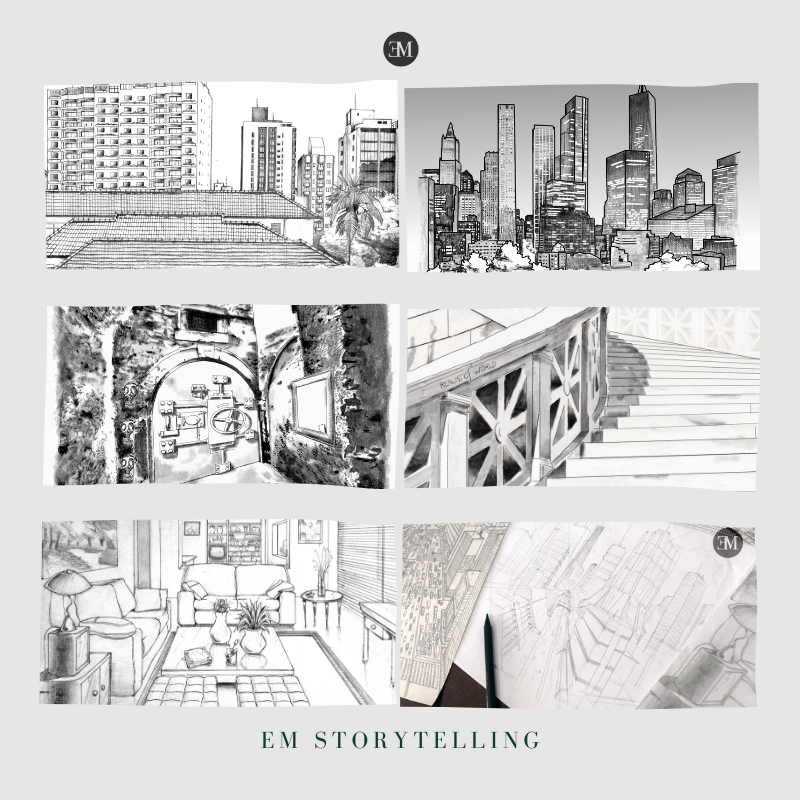
Building Realism Through Detail
Once the sketches were approved, I moved on to detailed rendering. This is where the magic happened. I focused on creating realistic textures for materials like concrete, glass, metal, and wood, paying close attention to how these surfaces reflected or absorbed light. For natural elements, I worked on intricate details like the texture of bark, the gradient of the sky, and the interplay of sunlight on water.