
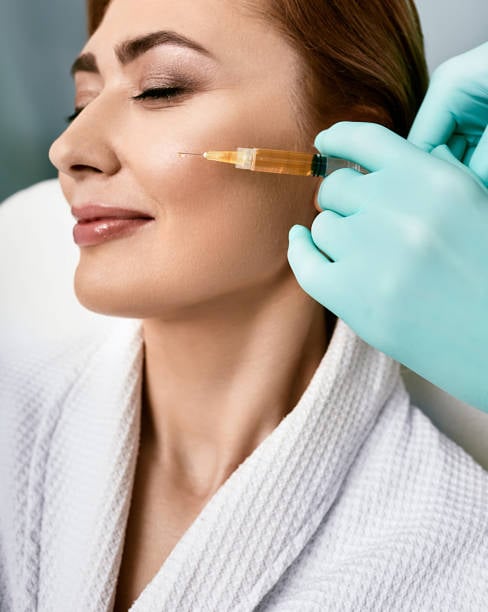
Chemical peels have become a popular skincare treatment in Riyadh for those seeking a refreshed, smoother complexion. While they offer many skin benefits, including reducing fine lines, acne scars, and uneven pigmentation, it is crucial to be aware of potential side effects and how to properly care for your skin after the procedure. This ensures a safe recovery and the best possible results.
Whether you are considering your first treatment or are familiar with facial aesthetics, this guide will provide valuable insight into the common side effects and essential aftercare tips specific to chemical peels in Riyadh.
Understanding Chemical Peel Side Effects
Chemical peels work by applying a chemical solution to the skin, which exfoliates the outer layers and stimulates new skin growth. However, this controlled skin injury may lead to some temporary side effects. Understanding these can help manage expectations and prepare for recovery.
Common Temporary Side Effects
- Redness and Irritation: One of the most typical immediate effects post-peel is redness. The skin can feel warm, tight, or mildly irritated, similar to a sunburn. This usually subsides within a few days but can last longer depending on peel depth and skin sensitivity.
- Peeling and Flaking: As the top layers of skin shed, peeling occurs. This helps reveal fresh skin underneath but can look unsightly, so careful care is necessary to avoid complications.
- Sensitivity and Swelling: Swelling is moderate in most cases and typically resolves within several days. Sensitivity to touch and temperature may increase temporarily.
- Dryness and Tightness: Since the skin barrier is disrupted, dryness is common. Proper moisturization is vital to help restore comfort.
- Sun Sensitivity: Following a chemical peel, your skin becomes especially vulnerable to UV rays, increasing the risk of sunburn and pigmentation changes.
Less Common But Important Side Effects
- Hyperpigmentation or Hypopigmentation: Changes in skin color can occur, especially for darker skin tones or with deeper peels. Hyperpigmentation (darkening) is more often seen with superficial peels, while hypopigmentation (lightening) is rare but possible after deeper treatments.
- Scarring: While uncommon, improper aftercare or overly aggressive peels can cause scarring. Choosing a qualified professional and following guidelines reduces this risk.
- Infection: Because the skin’s protective outer layer is temporarily removed, infection is a risk if aftercare is neglected.
- Reactivation of Cold Sores: For those prone to cold sores, chemical peels may trigger flare-ups, so preventive antiviral treatment may be recommended by your doctor.
Essential Aftercare Tips for Riyadh Residents
Proper aftercare plays a pivotal role in minimizing side effects and accelerating the healing process. Riyadh’s climate—with its intense sun and dry air—adds unique considerations when caring for treated skin.
Protect Your Skin from the Sun
After a chemical peel, your skin's natural defense against UV rays is compromised. It is essential to:
- Avoid direct sun exposure as much as possible during the recovery phase.
- Wear broad-spectrum sunscreen daily with high SPF, even indoors or on cloudy days.
- Use protective clothing, hats, and sunglasses when outdoors.
Keep Your Skin Hydrated and Moisturized
Hydrating products help restore moisture and soothe irritation:
- Apply gentle, fragrance-free moisturizers frequently to combat dryness and peeling.
- Avoid products with strong active ingredients (retinoids, exfoliants, or acids) until fully healed.
Gentle Cleansing and Avoiding Irritation
How you cleanse your face post-peel affects healing:
- Use mild, non-abrasive cleansers recommended by your skincare professional.
- Avoid scrubbing or picking at peeling skin to prevent scars and infection.
Follow Professional Guidelines
Your dermatologist or skincare professional may advise:
- Using prescribed ointments or creams to aid healing and protect the skin barrier.
- Taking oral medications if needed, such as antivirals for cold sore-prone individuals.
- Scheduling follow-up visits to monitor progress.
Avoid Certain Habits
Several activities can hinder recovery or increase risks:
- Avoid smoking, as it delays skin healing and aggravates irritation.
- Refrain from using makeup until redness and flaking diminish significantly.
- Limit exposure to heat sources like saunas or hot showers for several days.
Types of Chemical Peels and Their Impact on Side Effects and Aftercare
The severity of side effects and required aftercare depend heavily on the type of chemical peel performed.
Peel TypeDepth of ActionTypical Side EffectsRecovery ConsiderationsSuperficialEpidermis onlyMild redness, slight peelingMinimal downtime, light moisturizingMediumEpidermis & upper dermisPronounced redness, swelling, peelingUp to one week recovery, strict sun protectionDeepFull dermisIntense redness, swelling, scabbingLonger healing, possible medical supervision
In Riyadh, many residents opt for superficial or medium peels due to faster recovery times compatible with busy lifestyles and the local climate. Regardless of type, consistent aftercare is necessary to maximize results and minimize risks.
Why Choosing the Right Professional Matters
Using an experienced skincare professional familiar with Riyadh’s environment and skin types reduces the chance of complications. Professionals customize peel strength and aftercare instructions to best suit your individual skin needs, ensuring safer, more effective outcomes.
FAQs
What are common side effects of chemical peels in Riyadh?
Common side effects include redness, peeling, dryness, and sun sensitivity. These usually resolve within days to weeks with proper care.
How should I protect my skin after a chemical peel in Riyadh?
Avoid direct sunlight, wear sunscreen daily, and use protective clothing because the skin is more vulnerable to UV damage post-peel.
Can chemical peels cause permanent skin damage?
While rare, improper procedures or poor aftercare can lead to scarring or pigmentation changes. Choosing an experienced professional minimizes these risks.
When can I use makeup after a chemical peel?
It is best to avoid makeup until redness and peeling have significantly subsided, usually after several days to a week depending on peel depth.
Are chemical peels safe for all skin types common in Riyadh?
Most skin types can safely undergo chemical peels when treatments are tailored by a knowledgeable practitioner. Darker skins may require more cautious approaches to avoid pigmentation issues.
In conclusion, understanding the potential side effects of chemical peels and adhering to meticulous aftercare are vital for residents of Riyadh seeking this popular skin treatment. Climate and lifestyle awareness, combined with professional guidance, can greatly enhance healing and enhance your skin’s renewed radiance after a peel. When performed safely, chemical peels in Riyadh offer an effective path toward clearer, smoother, and more youthful skin.