

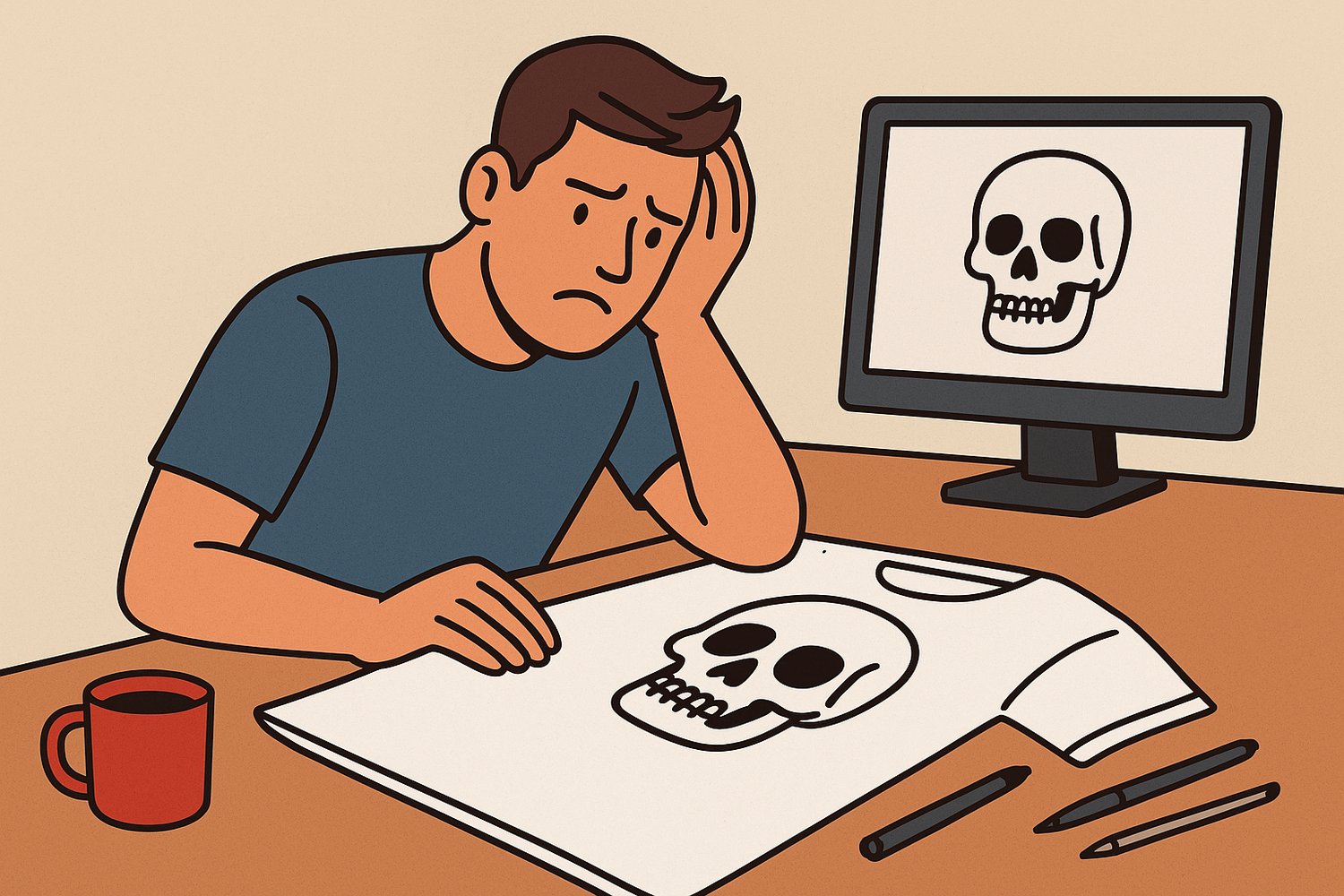
Amazon Merch: Why Your T-Shirt Designs Aren’t Selling?
You pour heart and hours into a design, hit publish, then nothing. That sting is real, and most new Merch sellers feel it. The short answer is this: your designs probably miss buyer intent, your keywords are off, your thumbnails do not pop, and your pricing or niches are crowded.
Here is the good news. You can fix it with clear steps. We will cover simple research habits, tighter keywords, buyer-first design choices, cleaner mockups, smarter pricing, and quick tests that show what works.
These tips come from real store wins and losses, not theory. I have seen weak listings turn into steady earners with small changes. One shift at a time, not a full rebuild.
You will learn how to pick niches buyers actually search for, write titles that get clicks, and tweak art so it reads at a glance. You will also see how to raise click-through rate with better images, and when to use ads or wait it out.
If you want a quick primer on listing basics, the principles in this guide on Effective SEO tips for custom apparel on Fontias also help with Amazon. The platform is different, but buyer behavior is the same. Focus on what shoppers type, what they see first, and why they buy.
Top Design Mistakes That Kill Your Sales

Great art does not always mean great sales. On Amazon, buyers scroll fast, search by intent, and judge at a glance. Fix these common design mistakes and you will see more clicks, adds to cart, and reviews.
Ignoring Popular Trends and Niches
Designs without a clear trend or niche sink in search. Generic ideas compete with thousands of listings. Tie your art to what buyers already want.
Hot, proven niches:
- Holidays and events: Halloween, Christmas, Pride, Father’s Day, Nurses Week.
- Hobbies: pickleball, disc golf, fishing, gardening, DnD.
- Roles and life stages: new dad, teachers, nurses, retirees.
How to spot demand on Amazon:
- Type ideas into the search bar and note autosuggest phrases.
- Check Best Sellers, New Releases, and Movers & Shakers in Clothing.
- Scan top listings for wording, colors, and themes.
- Cross-check with Google Trends for rising interest.
Pick sub-niches with demand and lighter competition. Pair a trend with a role or vibe, like “Retro Pickleball Dad” or “Funny Nurse Skeleton Halloween.” Aim for phrases with clear intent and fewer competing results. The result is faster ranking and quicker wins.
Key move: chase current trends, then narrow the angle.
Overly Complicated or Low-Quality Artwork
Busy designs confuse buyers at thumbnail size. Low-res art looks fuzzy and kills trust. Simple, bold graphics sell because they read in one second.
Quality rules that convert:
- Use high-res files, 300 DPI PNG, transparent background, sRGB color.
- Keep lines clean, avoid tiny details that vanish in print.
- Punchy contrast, large type, 3 to 5 colors max.
- Test your thumbnail at 100 to 150 pixels for readability.
Simple wins you can copy:
- Bold typography with a short phrase, like “Dog Dad” in varsity text.
- Clean silhouette plus one hook, like a kayak icon with “Paddle More.”
- Retro sunset circle with two-color text.
Aim for clarity, not complexity. Clean art boosts clicks, reviews, and repeat buys.
Keyword and SEO Pitfalls Holding You Back
Great designs still fail if buyers never see them. Amazon is a shopping search engine. It ranks listings that match search intent, win clicks, and convert. Weak keyword choices hide your shirts on page 7, while smarter phrases bring steady organic traffic without ads. Fix your targeting and you fix your sales.
Choosing the Wrong Keywords for Your Designs
Broad, generic terms trap your shirt under a pile of rivals. Buyers type clear, specific phrases. If your keywords do not match that intent, Amazon will not rank you or will bury you behind stronger listings.
Common mistakes:
- Chasing huge head terms with heavy competition.
- Ignoring buyer intent, like targeting “funny t-shirt” instead of a niche.
- Stuffing titles with random keywords that do not connect.
- Skipping long-tail phrases that convert with less traffic but higher intent.
Here are fast examples you can copy:
Bad Keyword Why it Fails Better Keyword Why it Wins funny t-shirt Too broad, endless results funny pickleball shirt for dads Clear niche, buyer intent dog lover tee Vague, high competition retro dog mom shirt Style plus audience halloween shirt Crowded, no angle teacher halloween ghost shirt Role plus event Simple steps to find winning keywords without paid tools:
- Type a seed idea into Amazon, then read autosuggest. Those phrases reflect real searches.
- Open each promising phrase and note top titles. Match the wording buyers expect.
- Check competition. Look at total results, how many page 1 titles match the exact phrase, and review counts. Seek phrases where top listings have fewer reviews or weaker titles.
- Validate with Google Trends. Confirm seasonal timing and steady interest.
- Map intent. Add qualifiers like audience, occasion, and style. Think “gift for,” “retro,” “minimal,” or “matching family.”
Aim to rank for a cluster of related long-tail phrases. One strong seed in the title, a few close variants in bullets, and natural support in the description. You protect your relevance, reduce competition, and increase conversion.
Neglecting Bullet Points and Descriptions
Product details are not filler. They are SEO fields that train Amazon on who should see your shirt. Weak bullets and vague descriptions waste indexable space, hurt trust, and lower conversions, which hurts rankings.
Write bullets that do two jobs: index and sell. Lead with benefits, then layer in keywords that match how buyers search.
Use this structure:
- Bullet 1: Primary phrase plus the core benefit. Keep it clear.
- Bullet 2: Fit, style, and use case. Address the buyer’s moment.
- Bullet 3: Audience and occasion. Gift angles work well.
- Bullet 4: Design details and style terms. Retro, minimal, distressed.
- Bullet 5: Care, comfort, or pairing ideas. Keep claims accurate.
Example bullets:
- Funny pickleball dad shirt with bold, easy-to-read text for fast scrolls.
- Classic fit, lightweight feel, great for casual play or match day.
- Perfect gift for Father’s Day or birthdays for pickleball fans.
- Retro typography and paddle icon, clean design that pops in photos.
- Pairs with shorts or joggers, simple look that works year round.
Descriptions build trust and improve rankings. Write 120 to 200 words. Open with your main phrase, explain the design idea, and speak to the buyer. Clarify fit, print style, and use cases. Add two to three secondary phrases, but keep the copy natural. Avoid claims you cannot prove.
Checklist for high-converting details:
- Use clear phrases instead of keyword stuffing.
- Match your title, bullets, and description to one intent.
- Answer buyer doubts on size, feel, and when to wear it.
- Keep tone simple, helpful, and confident.
Strong bullets and descriptions raise conversion. Higher conversion tells Amazon your listing solves the search, which lifts rankings and brings more free traffic.
Pricing and Competition Issues You Can Fix
Smart pricing and clear positioning can lift a slow shirt into steady sales. If your price fights the market or your design looks like every other listing, shoppers scroll past. Fix both, and you get more clicks, more margin, and faster rank gains.
Setting Prices That Don't Match Market Rates
Prices that miss the market hurt you twice. Overpricing kills click-through and conversions. Underpricing steals your own royalties and signals low value. On Amazon Merch, buyers compare fast, so even a one dollar gap can change outcomes.
Here is a simple look at where most Standard T-Shirts land on Amazon:
Price Range What It Signals Common Outcome $15.99–$16.99 Entry, budget, volume play More clicks, thinner royalties $17.99–$19.99 Market average Healthy conversions and margin $20.99–$22.99 Premium, niche or proven design Lower volume, higher per-sale royalty Use this as a starting point, not a rule. Your niche, season, and reviews all affect what buyers will pay.
Practical steps to find your sweet spot:
- Start at the market average for your niche. Many bestsellers sit between $17.99 and $19.99 for Standard T-Shirts.
- Watch your royalty per sale in your dashboard. Higher prices often yield better profit per unit until conversion drops.
- Run price tests for 7 to 14 days. Change only the price, track sessions, conversion rate, and units sold. Keep the winner.
- Use price bracketing. If $17.99 and $19.99 both sell, test $18.99 to balance conversions and royalties.
- Raise prices on proven designs. If your BSR improves and reviews grow, move up by one dollar and monitor.
Quick example: A shirt at $17.99 sells 60 units a month. You bump to $18.99, units dip to 55, but your royalty per sale is higher. If total monthly royalty rises, keep the new price. The goal is profit, not just volume.
Tip for seasonal spikes: Go premium during peak weeks when demand is strong, then reset after the rush.
Failing to Stand Out in Crowded Categories
If your tee looks like the tenth version of the same joke, buyers ignore it. Similar designs blend together, and the lowest price wins. That is a bad place to compete.
Stand out with clear moves:
- Unique twist: Add a role, audience, or style. Instead of “funny pumpkin shirt,” try “retro teacher pumpkin shirt” or “minimal pumpkin outline for runners.”
- Visual contrast: Use bold typography, strong color blocking, or a clean icon with space. Make it legible at thumbnail size.
- Angle the message: Pair a niche with an occasion or gift use. “New dad pickleball shirt” or “nurse night shift coffee tee.”
- Premium cues: Cleaner art and tighter copy support a higher price. Buyers pay more when the listing looks pro.
Track competitors without copying:
- Search your target phrase, scan page one, and note price bands, colors, and styles.
- Check BSR trends with tools like Keepa or Helium 10. Rising BSR numbers suggest weaker sales, falling numbers signal momentum.
- Study top sellers for structure, not content. Title length, main keywords, thumbnail style, and font choices.
- Log gaps you can fill. Maybe most listings lack a distressed retro look or a women-forward fit angle.
Quick workflow you can repeat:
- Pick a phrase, review top 20 listings, and list common elements.
- Decide your twist. Role, style, or audience.
- Match the market price for launch. Earn clicks and reviews first.
- If conversion holds, test a one dollar price increase. Recheck BSR after one to two weeks.
The payoff is simple. When your design stands out and your price feels fair, you get the click, you win the sale, and your royalties go up.
Actionable Steps to Boost Your T-Shirt Sales Now
You have fixes on design, keywords, bullets, and pricing. Now put them to work with simple moves that create clicks and conversions fast. Treat this like a sprint. Make one change, track results, then stack the wins.
Run Fast A/B Tests on What Buyers See First
Small visual shifts can move your click-through rate and sales. Test one element at a time so you know what worked.
What to test right away:
- Thumbnail swap: Try a bold color mockup or a tighter crop on the graphic.
- Font weight and contrast: Thicker type, higher contrast, fewer colors.
- Shorter title opening: Lead with the main phrase buyers type.
Simple plan you can follow:
- Pick your slowest shirt with some traffic.
- Change one variable, keep everything else the same.
- Let it run 7 to 14 days. Compare sessions, CTR, and units sold.
A/B plan example:
Variant What you change Run time Success metric A Current thumbnail 7–14 days Higher CTR B High-contrast thumbnail 7–14 days Higher CTR Turn the winner into your new default. Move to the next test.
Tighten Titles, Bullets, and Descriptions for One Intent
Your listing should speak to one buyer and one use case. Keep keywords focused and natural.
Quick fixes that pay off:
- Title: Lead with the primary long-tail phrase. Add one style cue or audience.
- Bullets: Follow the structure from earlier. Benefits first, then fit and use.
- Description: 120 to 200 words. Explain the idea, fit, and gift angles.
Checklist for a clean, buyer-first listing:
- Title matches how a shopper searches.
- Bullets answer size, feel, and when to wear.
- Description supports the same intent as the title.
Tune Price With Short Sprints
Pricing is not set and forget. It is a dial you turn to find profit without losing volume.
Do this next:
- Start at the market average for your niche.
- Test a one dollar increase for 7 to 14 days.
- Track sessions, conversion rate, and royalty per sale.
- Keep the price that earns more total royalty, not just more units.
Use price bracketing if both ends sell. Meet in the middle and retest.
Add Variations and Colors That Actually Sell
Your color range should fit the art. Offer fewer, stronger choices so the thumbnail stays clean.
- Launch with 3 to 5 proven colors that match your palette.
- Use black, navy, heather gray, and one pop color when it helps the design.
- Remove colors that get views but no sales over 30 days.
Use Promotions to Spark Momentum
A small push can lift ranking and reviews, which helps organic reach.
Ways to promote without wasting margin:
- Short coupon windows during weekends or holidays.
- Lower price on new designs for the first 10 to 20 sales, then raise.
- Pin top designs on social profiles, then link directly to the listing.
- Create simple gift angles in bullets for peak weeks.
Keep promotions tight and track results. Pull back if conversions do not rise.
Refresh Underperformers With a Clear Twist
Do not scrap a design too soon. Often the idea works, the angle does not.
Smart refresh moves:
- Add a role or audience, like teacher, nurse, dad, or runner.
- Shift the style, like retro, minimal, distressed, or hand-drawn.
- Pair a niche with an event, like birthday, Father’s Day, or Halloween.
Run the new angle as a fresh listing if the change is big. Keep the old one live if it still gets views.
Improve Photos and Mockups to Boost Trust
Clean visuals sell the click and the cart.
- Use high-resolution mockups that show the print area clearly.
- Avoid busy backgrounds or props that distract from the design.
- Show contrast. If the shirt is dark, display the design on a lighter variant in the secondary image.
Aim for fast readability at small sizes. If you cannot read it on a phone, fix it.
Watch the Data That Actually Matters
Focus on a few core metrics that reveal the story.
Track weekly:
- Sessions and click-through rate for visibility.
- Conversion rate for listing quality.
- Best Sellers Rank trend for momentum.
- Royalties per design for profit health.
Make one change per week per listing, read the data, then decide the next move.
Real Wins You Can Repeat
These are common turnarounds sellers report when they apply the steps:
- A clear thumbnail change leads to higher CTR within a week.
- A one dollar price increase keeps volume steady and raises royalties.
- A title that matches a long-tail phrase lifts conversion without ads.
- A niche twist, like adding a role, gives a stalled design new life.
You can get similar wins with the same simple steps.
Quick-Start Checklist You Can Do Today
Pick one shirt and run through this list. Done beats perfect.
- Rewrite the title to match one long-tail phrase.
- Swap the thumbnail to a high-contrast mockup.
- Tighten bullets with benefits, fit, and gift use.
- Test price by one dollar for the next 10 days.
- Remove one dead color, add one proven color.
- Schedule a 7-day coupon for a weekend boost.
Take one step right now. Open your lowest performer, change the thumbnail, and update the title. Publish the edit, set a reminder in 10 days, and read the numbers. Action creates sales.
Conclusion
Slow sales usually trace back to a few fixable gaps. Your designs miss buyer intent, your keywords do not match searches, your thumbnails lack contrast, and your price fights the market. Clean art, long-tail phrases, tight bullets, and clear mockups change that fast. One focused intent per listing, tested prices, and stronger photos can move you from page seven to steady orders.
Treat this like a series of small wins. Update the title, swap the thumbnail, and test a one dollar price change. Watch sessions, click-through, and conversion, then keep what lifts profit. Add a role or style twist when a niche feels crowded. Trim weak colors, run short promos, and let the data guide your next step.
Stay consistent, not perfect. Momentum builds when you act, measure, and iterate. Share what you try in the comments so others can learn from your wins and misses. If you want more tactics on keywords, mockups, and pricing tests, explore our other guides and keep this playbook close. The path is clear. Small changes, stacked over weeks, create real sales growth.
Comments ()