

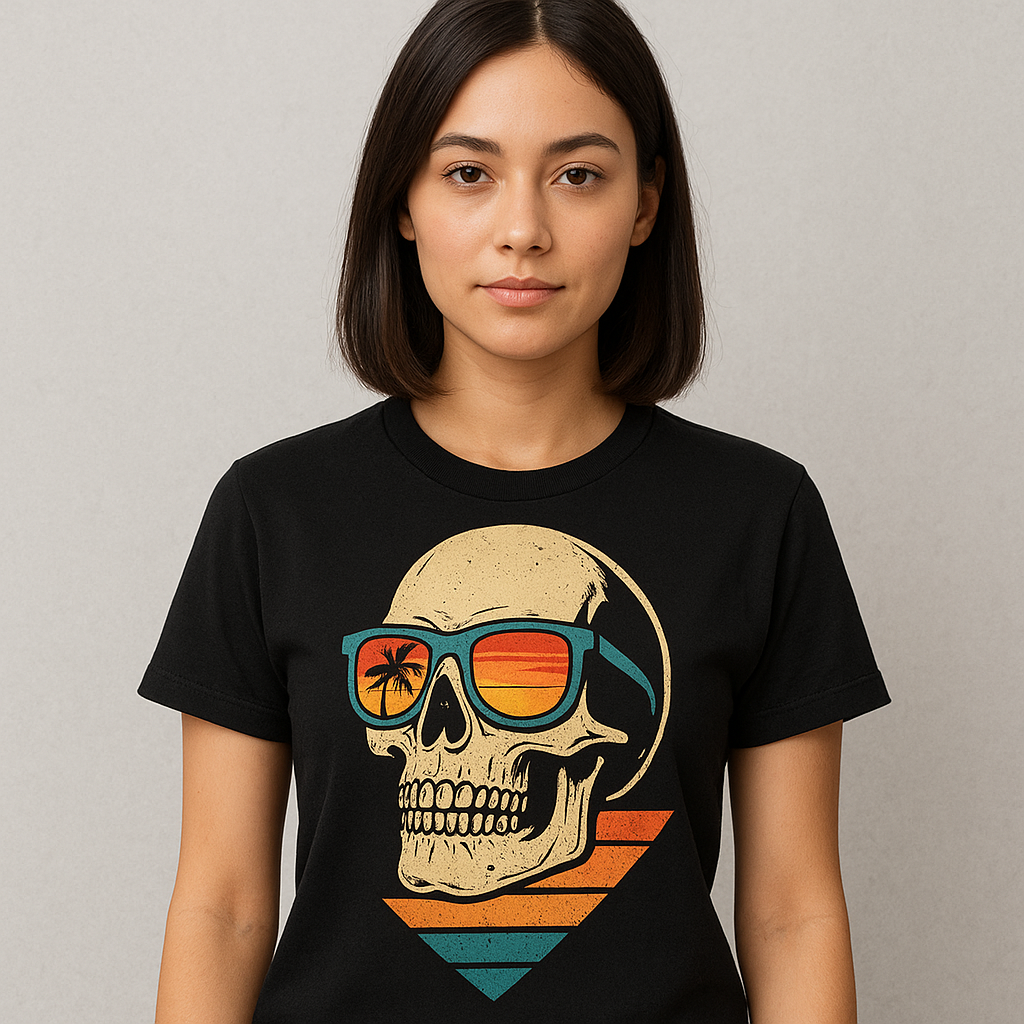
How to Create T-Shirt Design and Sell Online: A Step-by-Step Guide for Small Business Owners
Why Sell Custom T-Shirts Online?
Custom t-shirts have become a staple in modern fashion, and selling them online can be a lucrative business venture. Whether you're a small business owner looking to expand your product line or an entrepreneur seeking a new opportunity, creating and selling custom t-shirts can help you tap into the growing demand for personalized apparel.
With the rise of e-commerce and print-on-demand technology, it's never been easier to create and sell custom t-shirts online. In this guide, we'll walk you through the process of designing and selling t-shirts online, covering everything from conceptualization to marketing.
Step 1: Conceptualize Your T-Shirt Design
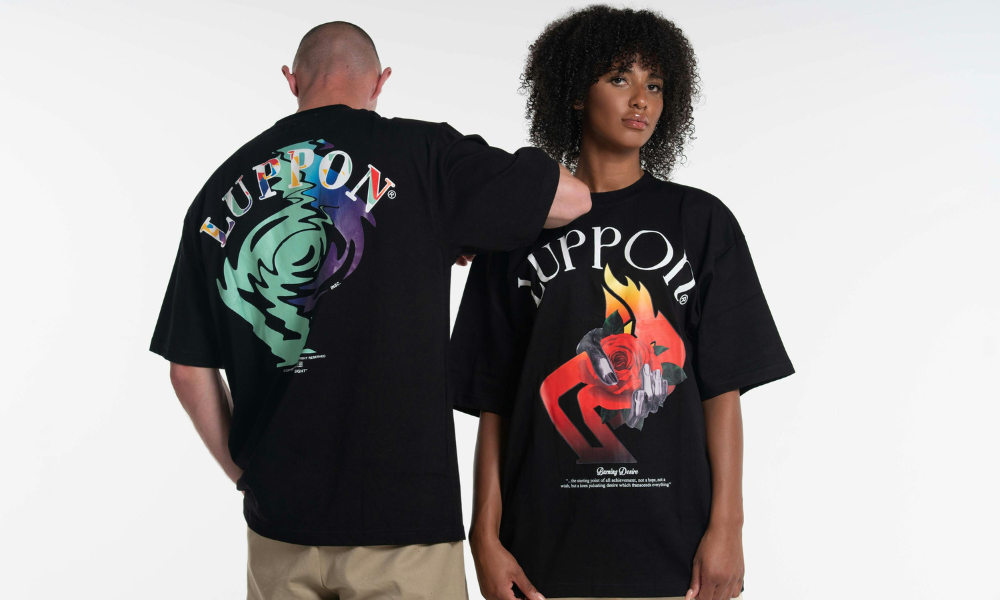
Before you start designing your t-shirts, you need to have a solid concept in mind. Here are some tips to get you started:
- Identify your target audience: Who are the people that will be wearing your t-shirts? What are their interests, hobbies, or passions?
- Research popular trends: Keep an eye on current fashion trends, pop culture, and social media to stay inspired and relevant.
- Brainstorm ideas: Use tools like mind maps, brainstorming sessions, or online idea generators to come up with unique and creative concepts.
Some popular t-shirt design ideas include:
- Humor-based designs (e.g., funny quotes, memes, or cartoons)
- Inspirational quotes or phrases
- Graphic illustrations (e.g., animals, nature, or abstract shapes)
- Pop culture references (e.g., movies, TV shows, or music)
Step 2: Choose Your Design Tools

Once you have your concept, it's time to bring it to life with design software. Here are some popular options:
- Adobe Illustrator: A powerful vector graphics editor ideal for creating intricate designs and graphics.
- Canva: A user-friendly graphic design platform with a vast template library and drag-and-drop functionality.
- GIMP: A free and open-source raster graphics editor offering advanced features and customization options.
Tips for Designing High-Quality T-Shirts
- Use high-resolution images and graphics
- Choose fonts that are clear and readable
- Select colors that complement your design and brand
- Keep your design simple and focused
Step 3: Select Your Products and Print-on-Demand Partner
You need to choose the type of products you want to sell and partner with a reliable print-on-demand service. Some popular options include:
- T-shirts: Classic crew necks, hoodies, or tank tops
- Printful: A popular print-on-demand platform offering a wide range of products and integrations with e-commerce platforms.
- Redbubble: A platform specializing in print-on-demand products, including t-shirts, stickers, and phone cases.
Benefits of Print-on-Demand
- No upfront inventory costs
- No shipping and handling hassles
- Ability to offer a wide range of products without holding stock
Step 4: Set Up Your Online Store
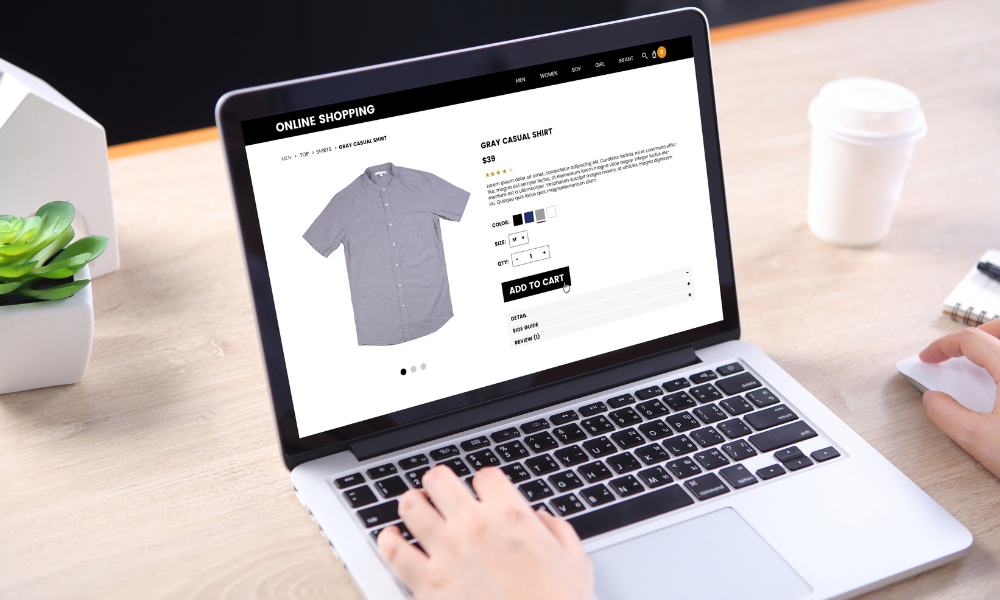
To sell your custom t-shirts online, you need to set up an e-commerce platform. Here are some popular options:
- Shopify: A comprehensive e-commerce platform offering customizable templates and integrations with print-on-demand services.
- WooCommerce: A popular WordPress plugin for creating online stores and integrating print-on-demand services.
- Etsy: A marketplace platform ideal for selling handmade or unique items, including custom t-shirts.
Tips for Creating a Successful Online Store
- Use high-quality product images and descriptions
- Optimize your store for mobile devices
- Offer excellent customer service and support
Step 5: Market and Promote Your T-Shirts
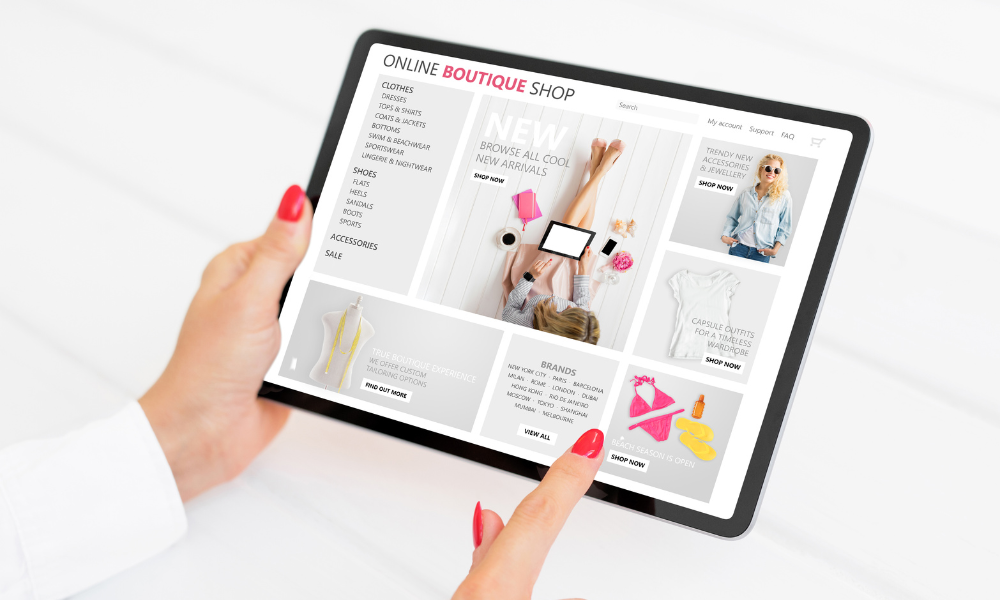
To succeed in the competitive world of custom t-shirts, you need to market and promote your products effectively. Here are some strategies to get you started:
- Social Media: Leverage platforms like Instagram, Facebook, and Twitter to showcase your designs and engage with your audience.
- Influencer Marketing: Partner with influencers or bloggers in your niche to promote your products to their followers.
- Email Marketing: Build an email list and send regular newsletters to subscribers showcasing new designs, promotions, or discounts.
Examples of Successful T-Shirt Marketing Campaigns
- T-shirt companies like Teespring and Redbubble: These companies have built massive followings on social media and leverage influencer marketing to promote their products.
- Small business owners: Many small business owners have found success by targeting specific niches or communities with custom t-shirt designs.
Conclusion:
Creating and selling custom t-shirts online can be a lucrative business venture for small business owners. By following these steps and staying focused on your target audience and marketing strategy, you can succeed in the competitive world of custom apparel. Ready to get started? Subscribe to our newsletter for more tips and resources on selling custom t-shirts online and stay ahead of the curve with the latest trends in Ts 2025.
Comments ()