
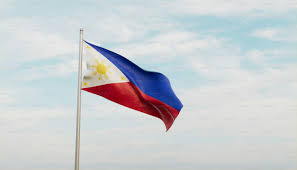
In the Filipino soul, the nation and the sacred have never been fully separate. Bayan and banal intertwine—faith breathing life into community, and community giving flesh to faith. To be Filipino is to believe that what is holy must be lived, not only worshiped.
Long before cathedrals stood, Filipinos already understood the sacred as something near. God was not distant. The divine was present in daily life—in harvests and storms, in birth and death, in gathering and grief. When Christianity arrived, it did not erase this instinct; it met it. Faith took root not only in doctrine, but in devotion, ritual, and relationship.
This is why Filipino faith spills into the streets. Processions wind through towns. Fiestas honor saints with both prayer and celebration. Holy days stop ordinary life, not to escape it, but to bless it. The sacred is not hidden away; it is carried by the people, for the people.
Bayan gives faith its shape. Love of God is expressed through love of neighbor. Care for the poor, respect for elders, hospitality to strangers—these are not just cultural values, but spiritual acts. To serve the community is to serve God. To harm the nation is to wound something sacred.
Yet this union is not without tension. History bears witness to moments when faith was used to justify harm, silence, or control. The intertwining of bayan and banal calls for discernment. True holiness never oppresses; it heals. It never demands blind loyalty; it invites truth, justice, and mercy.
Even so, the Filipino heart continues to believe that redemption is communal. Healing is not just personal; it is national. Prayer is offered not only for the self, but for the country. When Filipinos kneel, they kneel for families, for leaders, for the land itself.
Bayan & Banal reminds us that faith cannot remain private and untouched by the world. If it is real, it must reach into streets, schools, homes, and halls of power. The sacred must speak for the wounded and stand with the forgotten.
In the Filipino story, nation and sacred walk together—sometimes stumbling, sometimes shining, always intertwined.
Because what we believe in our prayers
must be lived in how we love our people.