
In a world of mass production and overnight shipping, it is easy to forget what things are made of. But gawang kamay is different. Every stitch, every weave, every carved detail carries something machines cannot replicate — intention. Time. Care. A ...
Read More
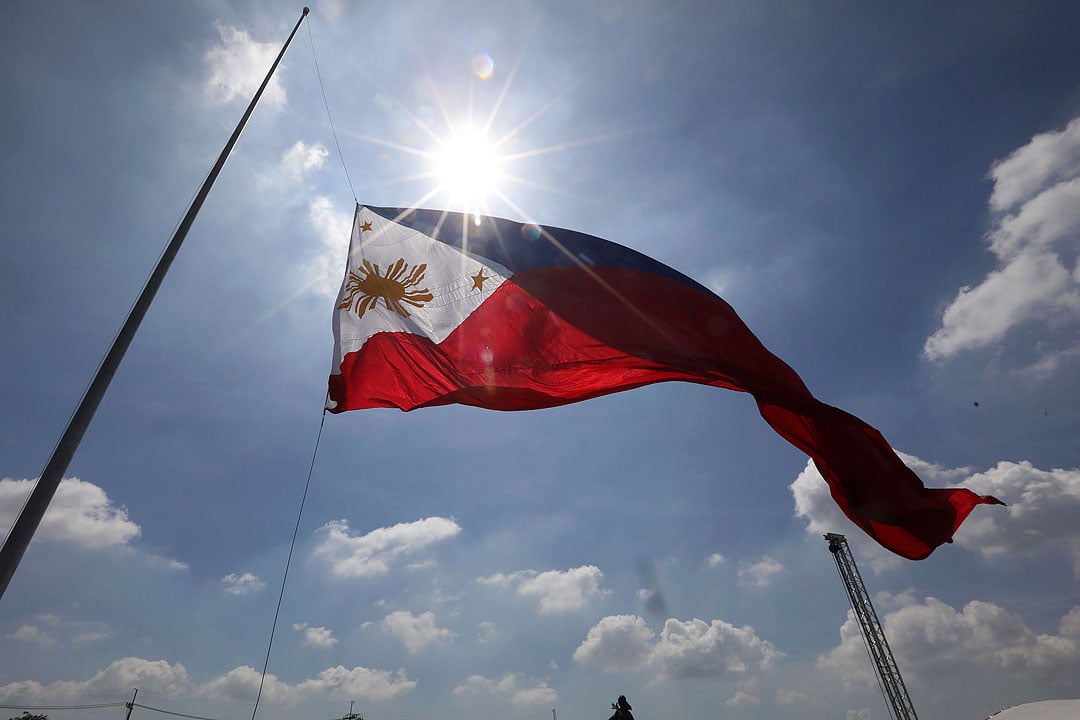

In a world that rushes toward the surface, liknayan invites us to go deeper. Filipino culture is often seen through what is visible—fiestas, laughter, hospitality, resilience. But beneath the brightness lies something quieter, richer, and more layer...
Read More
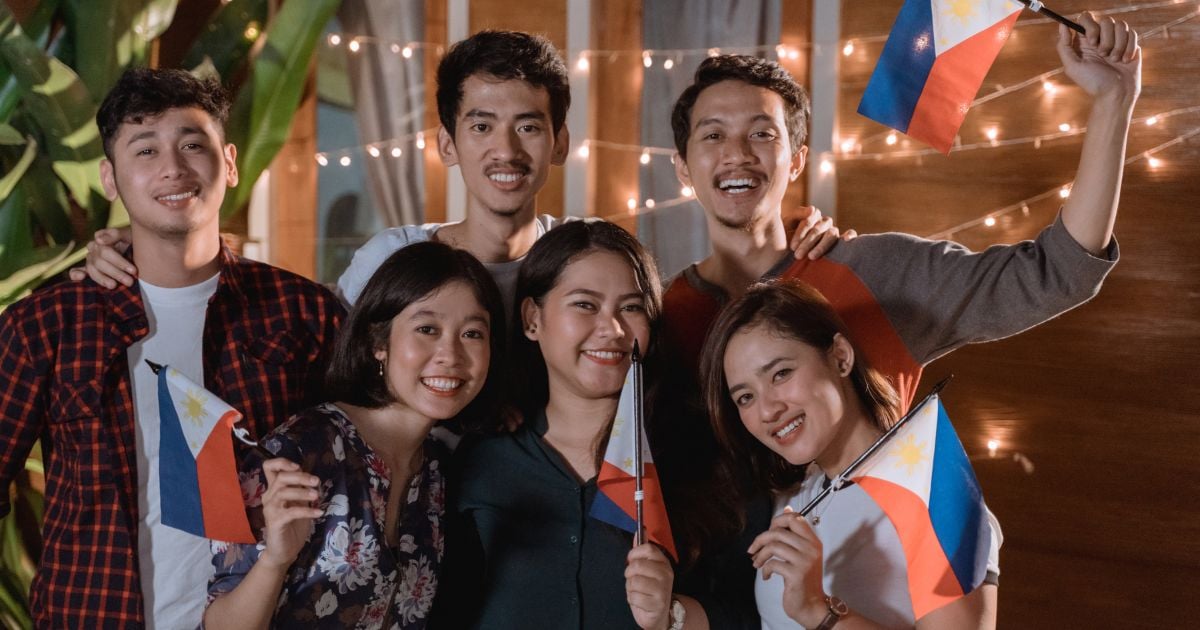
Tahanan is more than shelter. It is more than walls, roof, and floor. In the Filipino heart, tahanan is where love gathers, where burdens are set down, where names are spoken with tenderness. A Filipino home may be small, crowded, unfinished—but it ...
Read More
In the Filipino soul, the nation and the sacred have never been fully separate. Bayan and banal intertwine—faith breathing life into community, and community giving flesh to faith. To be Filipino is to believe that what is holy must be lived, not on...
Read More
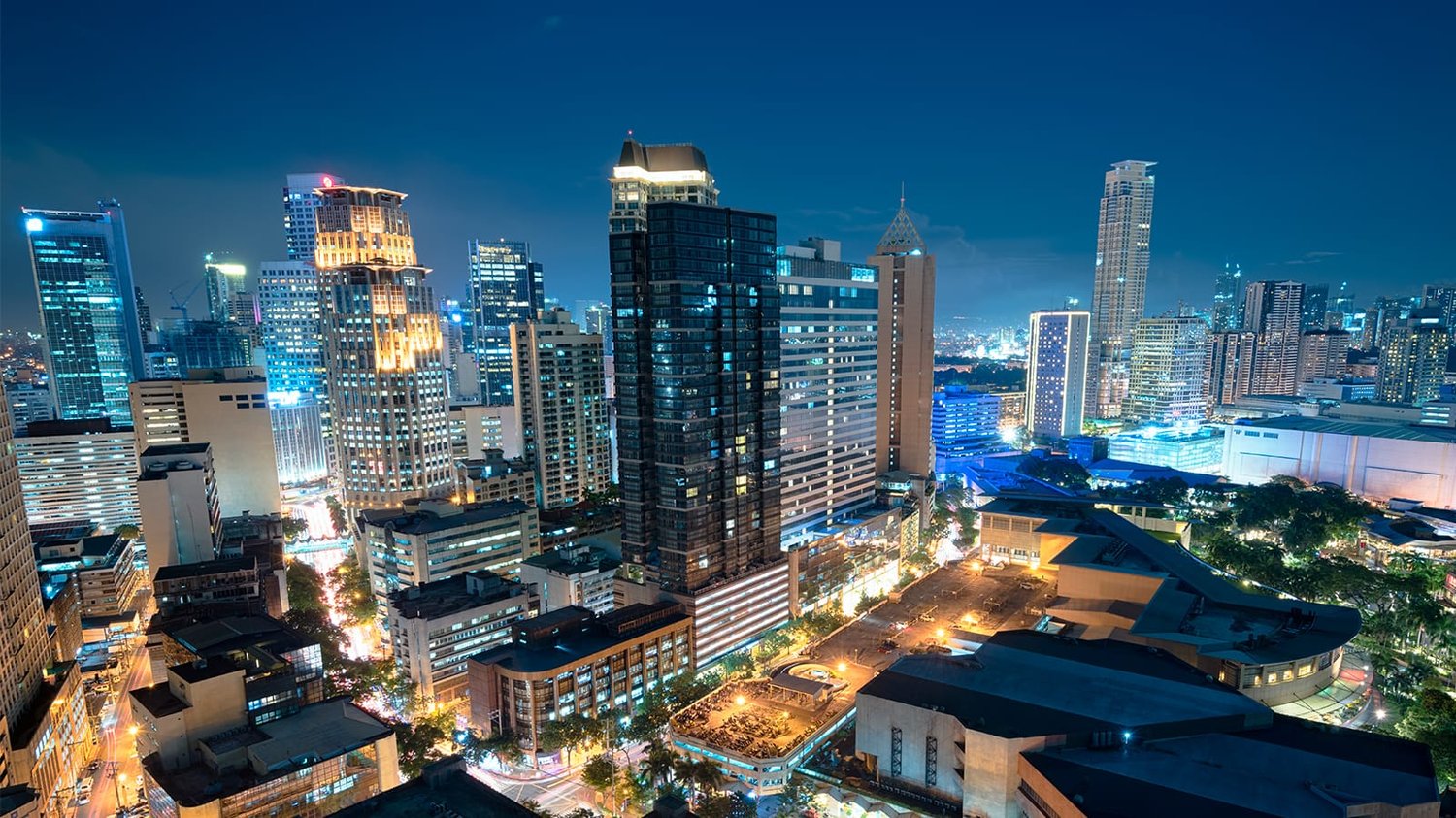
Sa atin ito. Four simple words, yet they carry the weight of belonging. In a world that often tells us to fend for ourselves, Filipino culture quietly insists on something else: we belong to one another. Life is not meant to be faced alone. Joy is ...
Read More
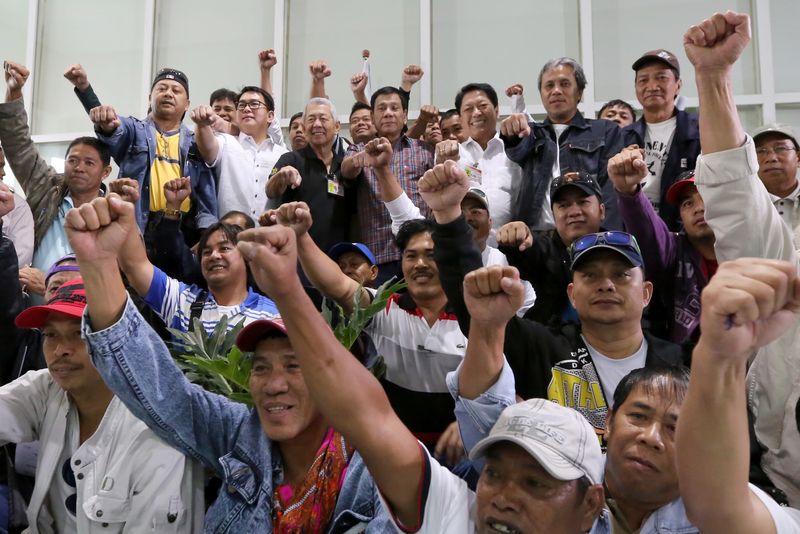
To be Filipino abroad is to live between worlds—one foot planted in a new land, the other rooted deeply in home. It is learning to adapt without forgetting, to survive without letting go of who you are. Home begins to feel both near and impossibly f...
Read More
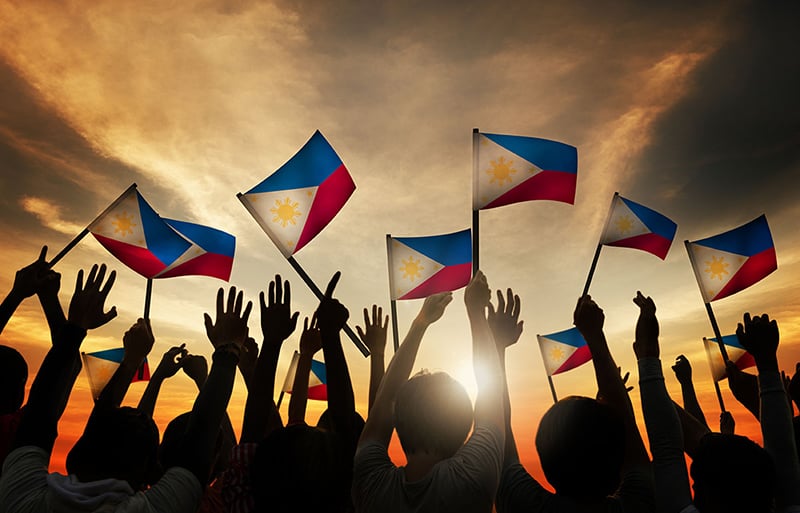
Hibla is the quiet thread that holds Filipino life together—often unseen, rarely named, yet always felt. It is the invisible strength that binds generations, communities, and hearts, even when time, distance, and hardship try to pull them apart. The...
Read More
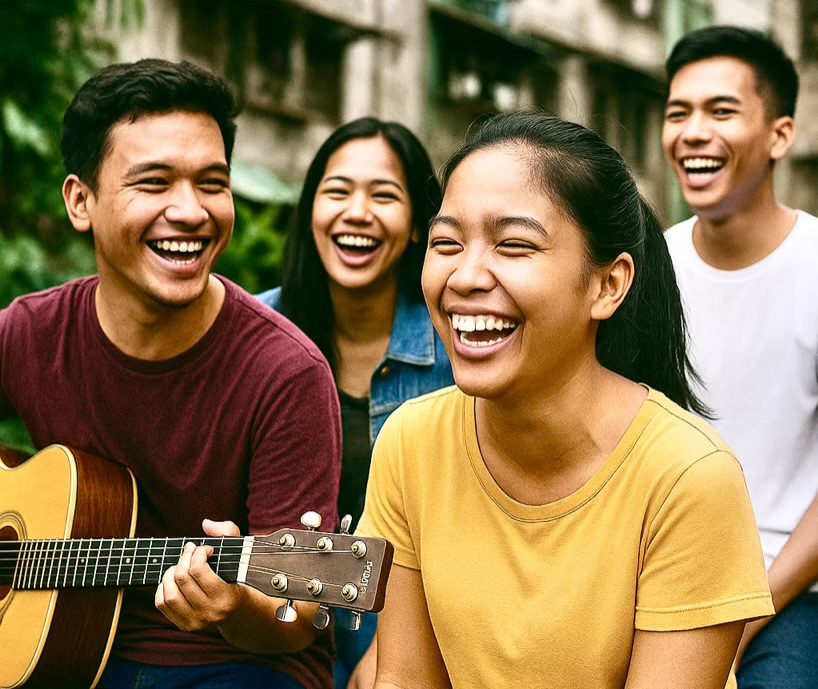
The Filipino smile is often misunderstood. To some, it looks like cheerfulness. To others, resilience. But beneath it lies something far deeper—a quiet strength learned through years of carrying weight without complaint. Filipinos are raised in a cu...
Read More
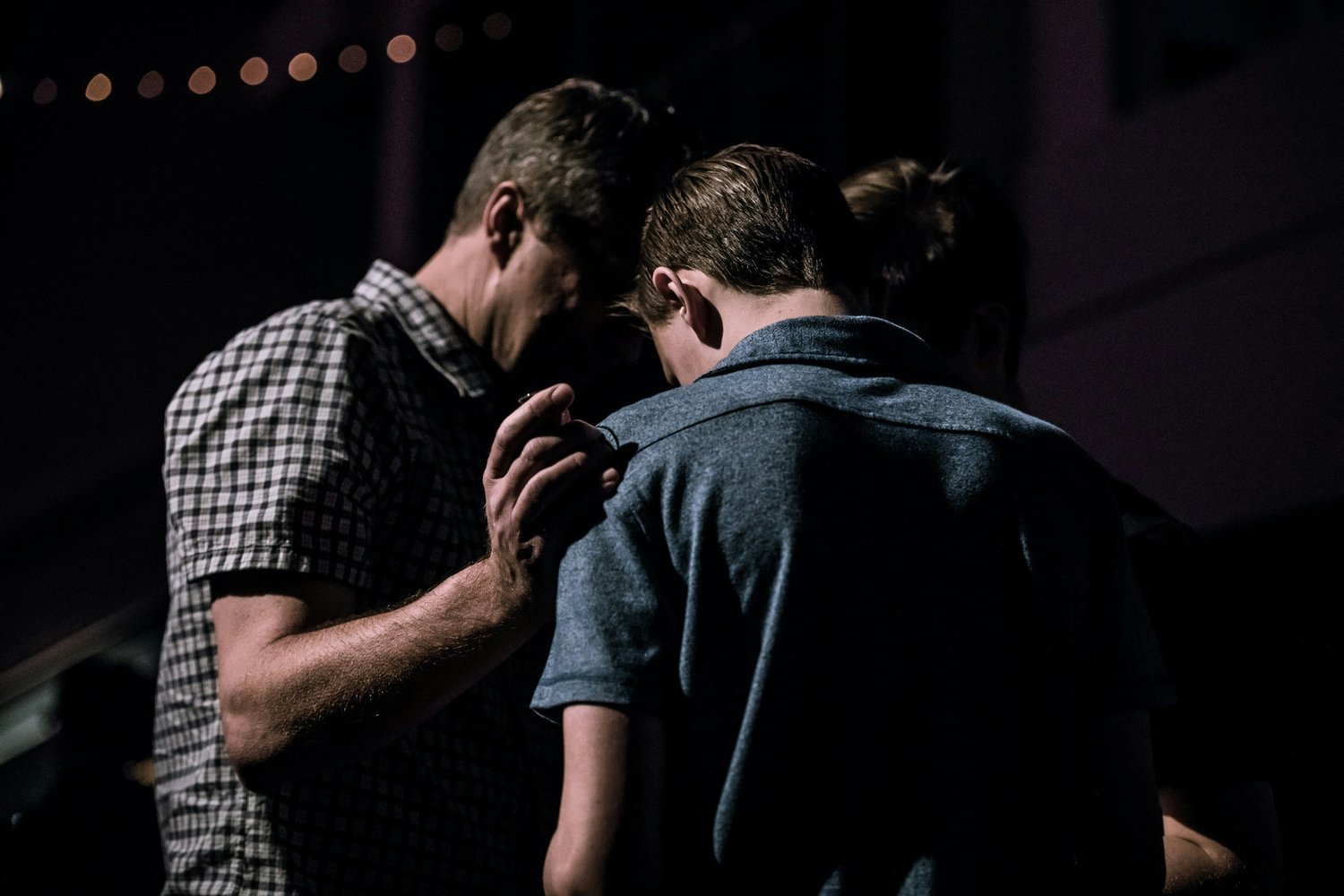
For many Filipinos, prayer is not something learned in a classroom or confined to church walls. It is instinct—something the heart reaches for before the mind even catches up. Before journeys, before exams, before sleep, before fear fully forms, a p...
Read More
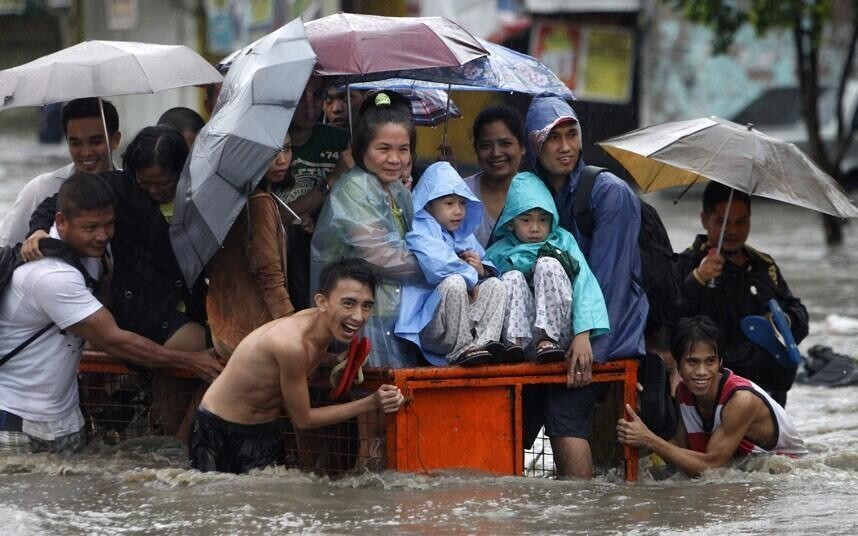
The Filipino smile is often mistaken for happiness. Tourists see it as warmth. Strangers read it as friendliness. But those who truly know the Filipino heart understand that sometimes, a smile is not joy—it is courage. Filipinos learn early that pai...
Read More
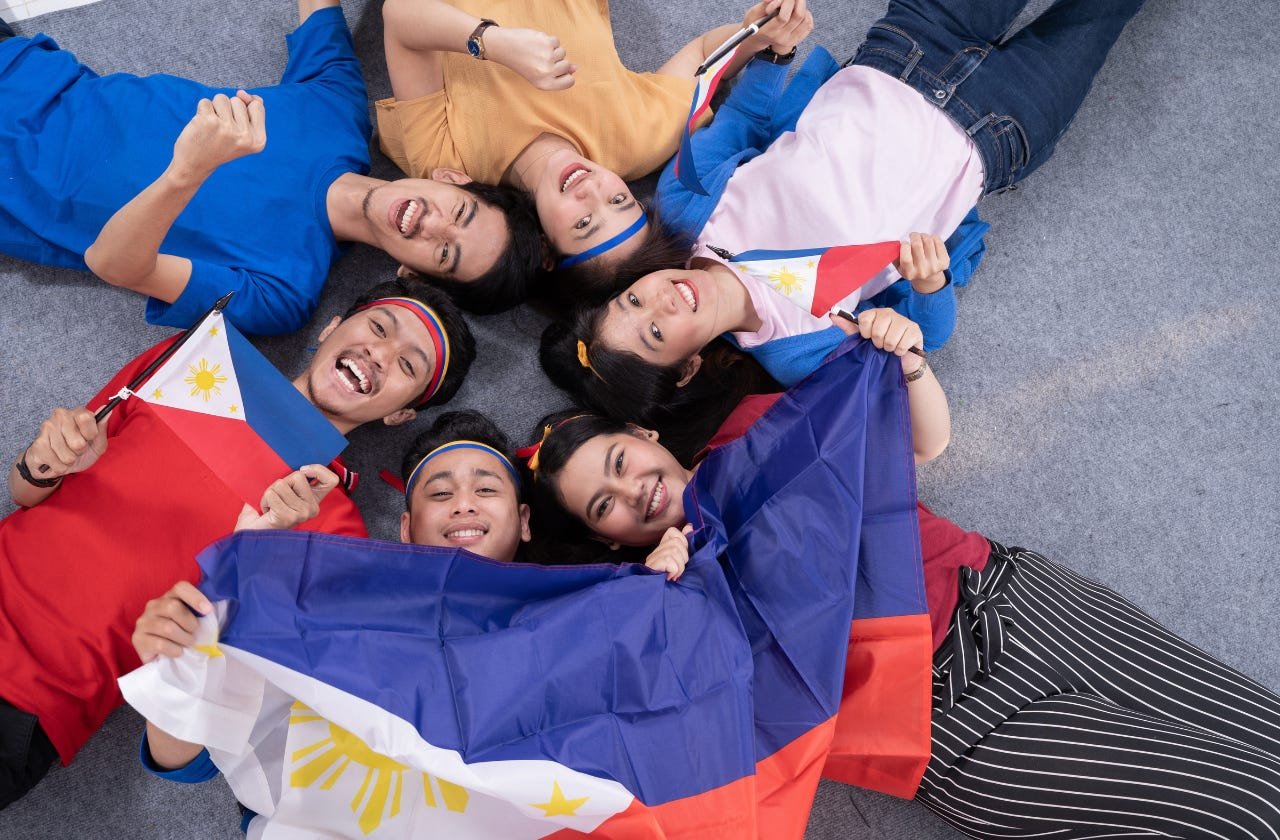
Home is often imagined as a roof, four walls, and an address written on paper. But to a Filipino, home has always been something deeper—something living, breathing, and irreplaceable. Home is not a place you return to; it is a people you belong to. ...
Read More
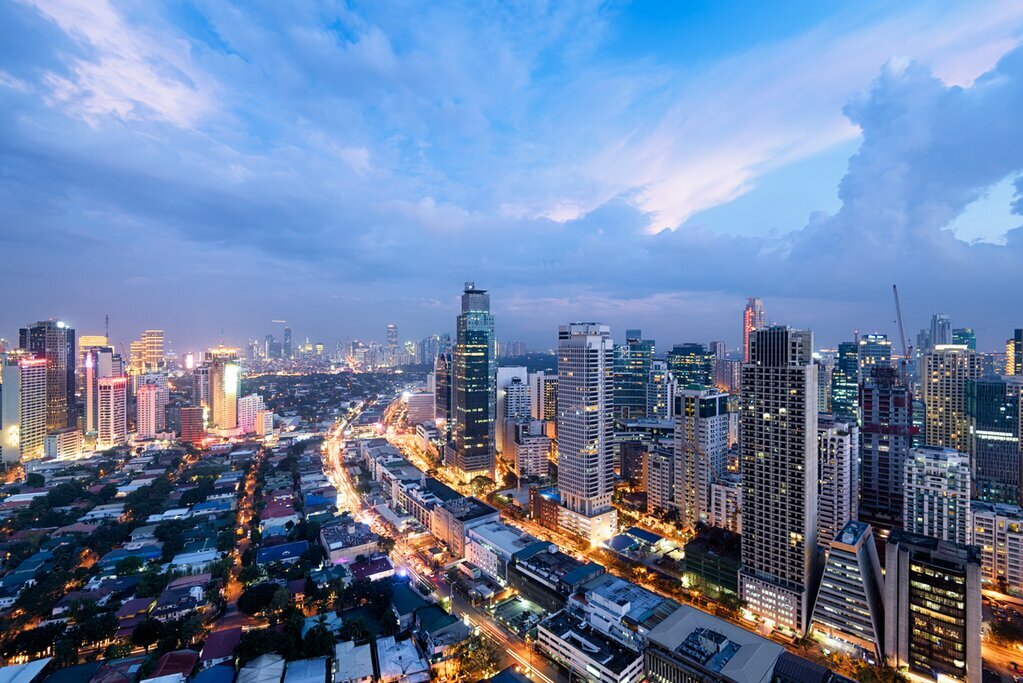
There are many beautiful things about the Philippines—the beaches, the food, the music—but if there’s one thing that truly defines the Filipino spirit, it’s the warmth we bring into every space we enter. It’s a kind of warmth that isn’t measured by ...
Read More
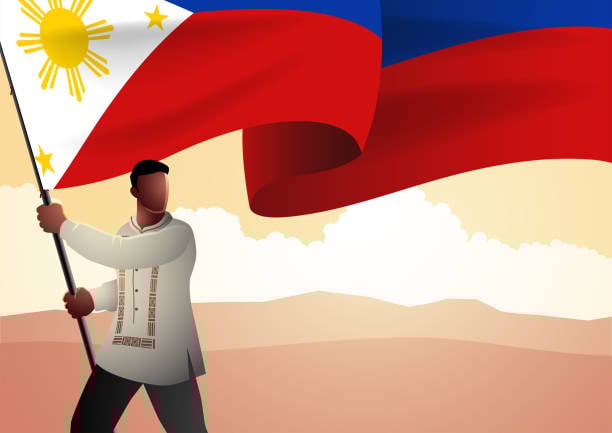
Filipino culture is more than a collection of traditions, cuisines, and colorful fiestas—it is a living, breathing story of resilience, warmth, and faith woven through generations. It is the soft pulse of bayanihan in small villages, the echo of lau...
Read More
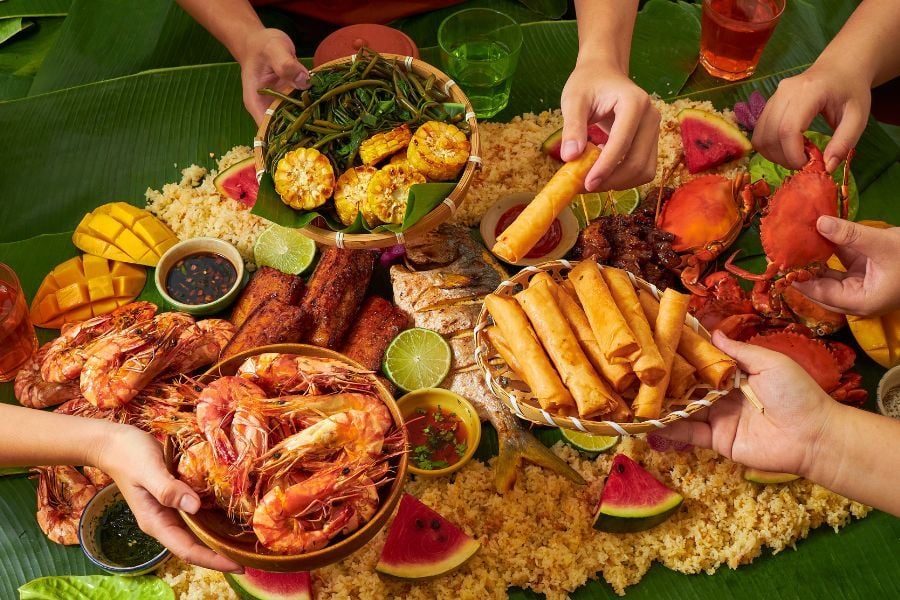
Filipino food is a delicious mix of sweet, salty, sour, and savory — a true reflection of our culture and hospitality. If you’ve never tried Filipino cuisine before, you’re in for a treat! Here are some well-loved dishes that will make you fall in l...
Read More
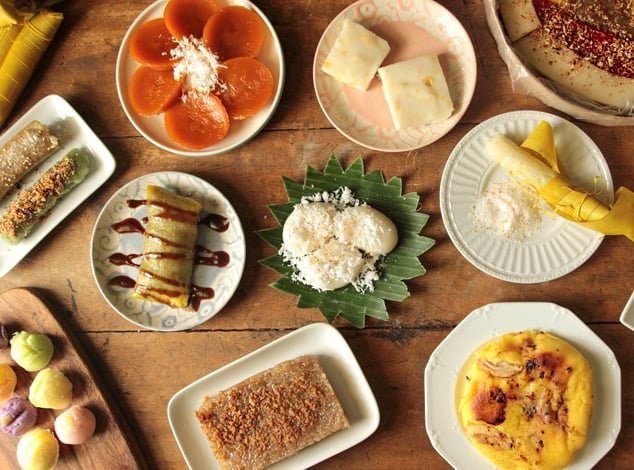
Filipino kakanin (rice delicacies) are sweet, sticky, and full of heart. Made mostly from glutinous rice, coconut milk, and sugar, these treats are not just snacks — they are a part of our culture and traditions, often served during fiestas, holiday...
Read More