
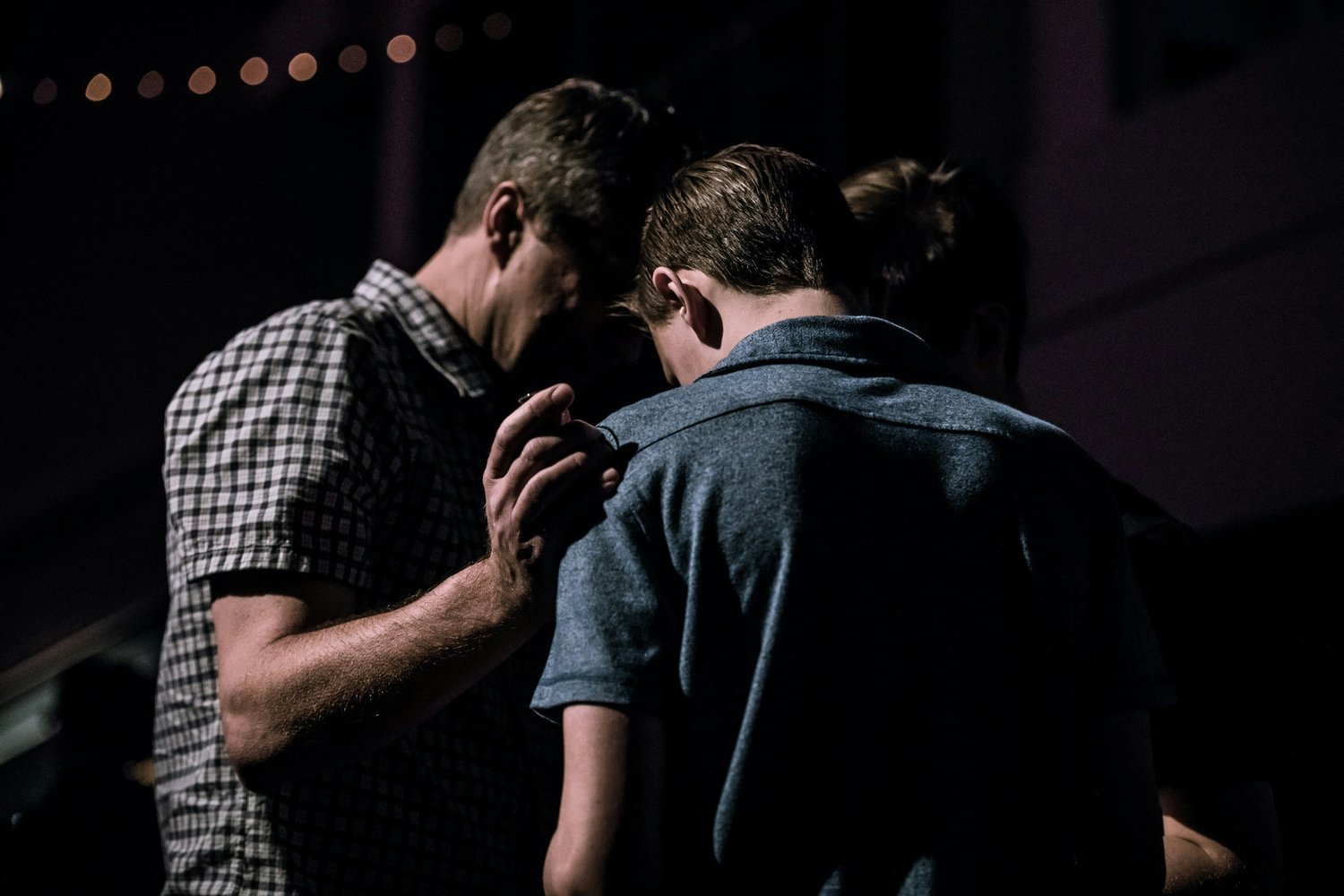
For many Filipinos, prayer is not something learned in a classroom or confined to church walls. It is instinct—something the heart reaches for before the mind even catches up. Before journeys, before exams, before sleep, before fear fully forms, a prayer slips out almost naturally: “Lord, Ikaw na po.”
Prayer is woven into daily life. A sign of the cross before meals. A whispered “Ingat” followed by a blessing. A rosary hanging from a jeepney mirror. These are not performances of faith; they are reflexes of trust. When words fail, prayer speaks.
In times of crisis, this instinct becomes even more evident. When typhoons approach, Filipinos pray before boarding windows. When earthquakes strike, prayers rise faster than screams. When sickness enters a home, prayer circles form: sometimes loud, sometimes quiet, always sincere. Prayer is not the last resort; it is the first response.
This kind of faith was shaped by generations who learned to depend on God when resources were scarce and answers were uncertain. Prayer became breath. It was not about eloquence or structure, but about surrender. A simple “Bahala na ang Diyos” is not passive resignation—it is deep trust wrapped in humility.
Yet prayer is not always loud or poetic. Often, it is silent endurance. It is a mother kneeling beside her child’s bed after a long day. A worker bowing their head in a crowded bus. A heart crying out without sound. Filipino prayer understands that God hears even what cannot be said.
But when prayer becomes instinct, it can also be overlooked. Familiarity can dull reverence. Ritual can replace relationship. That is the quiet invitation before us—not to abandon tradition, but to let instinct lead us deeper. To move from habit to hunger. From routine to real encounter.
Prayer, at its purest, is not about perfect words or perfect posture. It is about reflexive dependence. It is the soul’s way of reaching for home.
For the Filipino heart, prayer is not something we do. It is who we are when life presses in.