
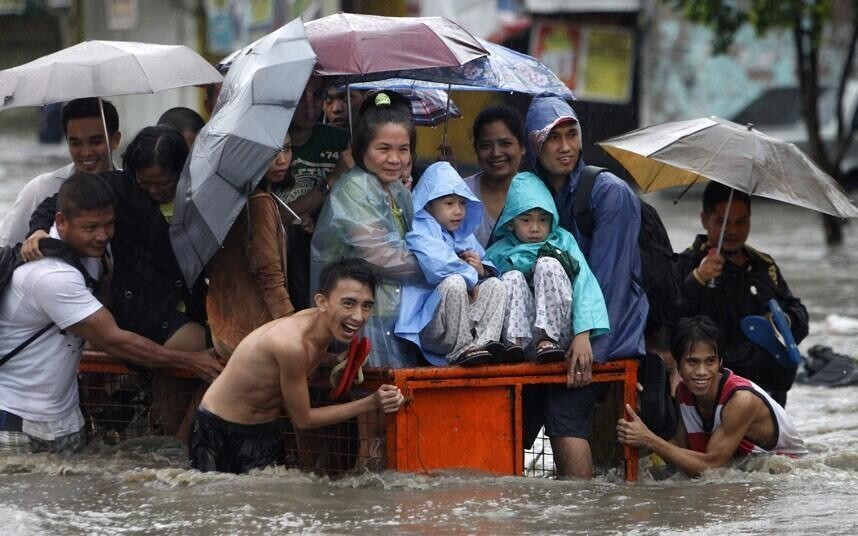
The Filipino smile is often mistaken for happiness. Tourists see it as warmth. Strangers read it as friendliness. But those who truly know the Filipino heart understand that sometimes, a smile is not joy—it is courage.
Filipinos learn early that pain does not excuse them from kindness. Even in moments of loss, there is still a greeting offered, a hand extended, a laugh shared. The smile becomes a language spoken when words are too heavy to carry. It is not denial of suffering, but a decision to rise above it.
Many Filipinos grow up watching their parents endure quietly—working long hours, sacrificing dreams, choosing family over self. Children learn by example that strength does not always shout; sometimes it shows up as patience. The smile becomes armor, a way of protecting others from worry, a way of saying, “I will carry this so you don’t have to.”
Faith also shapes this resilience. In a culture deeply rooted in prayer, pain is often entrusted to God before it is spoken aloud. Tears are wiped, backs are straightened, and life continues—not because it is easy, but because hope has been planted deep. The smile whispers what the heart believes: this is not the end.
Laughter, too, is survival. Filipinos joke in the middle of storms, tease in hospital rooms, and find humor even in poverty. This is not carelessness—it is wisdom. To laugh is to refuse to let suffering have the final word. Joy, even in small doses, becomes an act of resistance.
But the Filipino smile also hides wounds. It carries exhaustion, unspoken grief, and prayers that have yet to be answered. That is why it deserves gentleness, not assumptions. Behind every smile is a story—of battles fought silently, of nights cried through alone, of strength borrowed from love.
Filipinos smile even when it hurts because they were taught that love must continue, that community matters, that hope is worth choosing again and again. The smile is not weakness. It is testimony.
It says: I am hurting, but I am still here.